Category: Tự Học Ngoại Ngữ

  • NỘI DUNG BỘ “ENGLISH VOCABULARY IN USE”

    NỘI DUNG BỘ “ENGLISH VOCABULARY IN USE”

    NỘI DUNG BỘ ENGLISH VOCABULARY IN USE

    Mọi ý kiến đóng góp xin gửi vào hòm thư: [email protected]

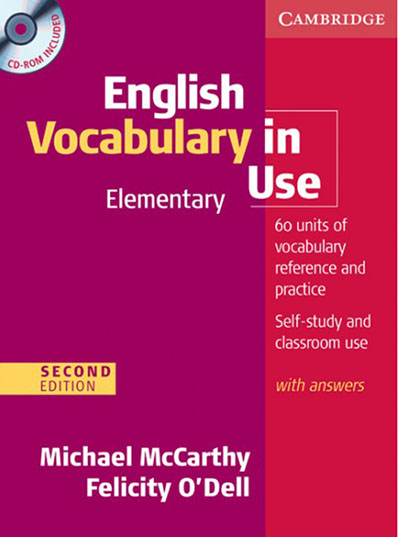
    1. English Vocabulary In Use – Elementary


    Đây là cuốn sách cơ bản đầu tiên như tên gọi của nó. Sách cung cấp cho bạn:

    ➨ 60 bài bao gồm 2000 từ vựng cơ bản cho người mới bắt đầu

    ➨ Chủ đề quen thuộc hàng ngày như: Weather, Animals, Food and drink…

    ➨ Ví dụ minh họa, câu mẫu và bài tập thực hành những từ vựng đúng ngữ cảnh trong bài học


    Tải ngay bản PDF tại đây: English Vocabulary in Use Elementary

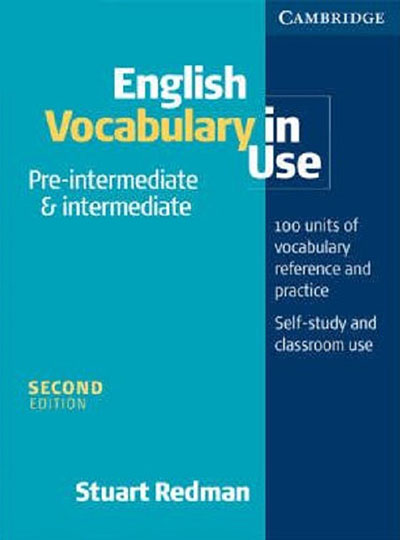
    2. English Vocabulary In Use – Pre-intermidiate & Intermidiate


    ➨ 100 bài học, mỗi bài học khoảng 25 từ vựng

    ➨ Các bài học ở bên trái, giải thích ở bên phải cùng 1 trang giấy nên rất thuận tiện tra cứu

    ➨ Liệt kê và hướng dẫn tránh lỗi 200 từ/cụm từ thường xuyên sai của những người học Tiếng Anh

    Tải ngay bản PDF tại đây: English Vocabulary in Use Pre Intermediate & Intermediate

    3. English Vocabulary In Use – Upper – Intermidiate


    ➨ 2000 từ và cụm từ (trung cấp) theo chủ đề

    ➨ Các từ vựng được minh họa theo từng ngữ cảnh sử dụng, có bài tập áp dụng và đáp án

    ➨ Không những bao gồm từ vựng thông dụng, cuốn sách còn mở rộng các từ vựng học thuật hơn

    Tải ngay bản PDF tại đây: English Vocabulary in Use Upper Intermediate

    4. English Vocabulary in Use Advanced


    ➨ 2000 từ vựng trong 100 bài học có giải thích, ví dụ và đáp án

    ➨ Có phần phụ lục các từ phát âm khó hay gặp trong Tiếng Anh

    ➨ Hướng dẫn cách sử dụng từ vựng giống người bản sứ nhất

    Tải ngay bản PDF tại đây: English Vocabulary in Use Advanced

    Bộ sách này được xuất bản và chịu trách nhiệm bởi trường Đại học Cambridge – trường Đại học nói tiếng Anh lâu năm thứ hai thế giới chỉ sau Oxford. Với nội dung chi tiết, logic đồng thời cung cấp những từ vựng thông dụng, từ vựng học thuật và những từ ngữ hay bị sử dụng sai, bộ sách này chính là “kim chỉ nam” về từ vựng cho người học Tiếng Anh. Hãy sử dụng bộ sách này đều đặn để cải thiện vốn từ hiệu quả nhé.


    Tải xuống tài liệu học tập PDF miễn phí

    [sociallocker id=”19555″] Tải Xuống Tại Đây [/sociallocker]


  • Đề thi tiếng Pháp trình độ A3

    Đề thi tiếng Pháp trình độ A3

    Đề thi tiếng Pháp trình độ A3

    Mọi ý kiến đóng góp xin gửi vào hòm thư: [email protected]

    Kéo xuống để Tải ngay đề cương bản PDF đầy đủ: Sau “mục lục” và “bản xem trước”

    (Nếu là đề cương nhiều công thức nên mọi người nên tải về để xem tránh mất công thức)

    Đề cương liên quan: ĐẠI TỪ QUAN HỆ TRONG TIẾNG ANH VÀ TIẾNG PHÁP, NHỮNG ĐIỂM TƯƠNG ĐỒNG VÀ KHÁC BIỆT


    [toc]

    Tải ngay đề cương bản PDF tại đây: Đề thi tiếng Pháp trình độ A3

    Đề thi tiếng Pháp trình độ A3

    COMPRÉHENSION ORALE (10 PTS)


    Écoutez bien les dialogues et répondez aux questions suivantes:


    * Dialogue 1 :


    1. Qu’est-ce que la dame prend comme plat ? (plusieurs réponses)
      1. un sandwich au frommage une omelette
      2. un sandwich au jambon beurre une salade
    2. Qu’est-ce que le monsieur prend comme plat ?
      1. un sandwich au frommage une omelette
      2. un sandwich au jambon beurre une salade
    3. Qu’est-ce que la dame prend comme boisson ?
    4. une bière b. un café c. un jus d’orange                 d. un jus de tomate
    5. Qu’est-ce que le monsieur prend comme boisson ?
    6. une bière b. un café c. un thé                                 d. un jus de tomate
    7. Ça fait combien leur repas ?

    -> ………………………………………………………………………………………………………………………..

    * Dialogue 2 :

    1. Qu’est-ce que Mireille fête samedi soir ?
      1. son anniversaire sa réussite aux examens
      2. l’anniversaire de sa sœur son bac
    2. Où se passe la fête ?

    a.dans un restaurant        b.dans un café           c. chez ses parents               d. chez elle

    1. À quelle heure faut-il venir ?

    -> ………………………………………………………………………………………………………………………..

    1. Combien de personnes Mireille invite-elle à la fête ?

    -> ………………………………………………………………………………………………………………………..

    1. Est-ce que Nina va-t-elle venir à la fête de Mireille ?

    -> ………………………………………………………………………………………………………………………..

    ********** // **********

    TRƯỜNG CĐ VHNT & DL NHA TRANG                          ĐÁP ÁN MÔN THI NGHE HIỂU

    TRUNG TÂM NGOẠI NGỮ – TIN HỌC                             TIẾNG PHÁP TRÌNH ĐỘ A (05/ 2009)

                     ******

    COMPRÉHENSION ORALE (10 PTS)

    Les bonnes réponses (1pt x 10 = 10pts) :


    * Dialogue 1 :


    1. Qu’est-ce que la dame prend comme plat ? (plusieurs réponses)
    2. une omelette
    3. une salade
    4. Qu’est-ce que le monsieur prend comme plat ?
    5. un sandwich au jambon beurre
    6. Qu’est-ce que la dame prend comme boisson ?
    7. un jus de tomate
    8. Qu’est-ce que le monsieur prend comme boisson ?
    9. une bière
    10. Ça fait combien leur repas ?

    ->  Ça fait 91 francs

    * Dialogue 2 :

    1. Qu’est-ce que Mireille fête samedi soir ?
    2. sa réussite aux examens
    3. Où se passe la fête ?
    4. chez elle   
    5. À quelle heure faut-il venir ?

    ->  à 8h30 /  à 20h30

    1. Combien de personnes Mireille invite-elle à la fête ?

    ->  six ou sept personnes

    1. Est-ce que Nina va-t-elle venir à la fête de Mireille ?

    -> Oui


    ********** // **********


    Tải xuống tài liệu học tập PDF miễn phí

    [sociallocker id=”19555″] File Tải Bị Lỗi, Vui Lòng Quay Lại Sau [/sociallocker]


  • ĐẠI TỪ QUAN HỆ TRONG TIẾNG ANH VÀ TIẾNG PHÁP, NHỮNG ĐIỂM TƯƠNG ĐỒNG VÀ KHÁC BIỆT

    ĐẠI TỪ QUAN HỆ TRONG TIẾNG ANH VÀ TIẾNG PHÁP, NHỮNG ĐIỂM TƯƠNG ĐỒNG VÀ KHÁC BIỆT

    ĐẠI TỪ QUAN HỆ TRONG TIẾNG ANH VÀ TIẾNG PHÁP, NHỮNG ĐIỂM TƯƠNG ĐỒNG VÀ KHÁC BIỆT

    Mọi ý kiến đóng góp xin gửi vào hòm thư: [email protected]

    Kéo xuống để Tải ngay đề cương bản PDF đầy đủ: Sau “mục lục” và “bản xem trước”

    (Nếu là đề cương nhiều công thức nên mọi người nên tải về để xem tránh mất công thức)

    Đề cương liên quan: TÓM TẮT NGỮ PHÁP TIẾNG PHÁP


    [toc]

    [pdfviewer width=”800px” height=”1000px” beta=”true/false”]http://hotroontap.com/wp-content/uploads/2019/06/%C4%90%E1%BA%A0I-T%E1%BB%AA-QUAN-H%E1%BB%86-TRONG-TI%E1%BA%BENG-ANH-V%C3%80-TI%E1%BA%BENG-PH%C3%81P-NH%E1%BB%AENG-%C4%90I%E1%BB%82M-T%C6%AF%C6%A0NG-%C4%90%E1%BB%92NG-V%C3%80-KH%C3%81C-BI%E1%BB%86T.pdf[/pdfviewer]

    Tải ngay đề cương bản PDF tại đây: ĐẠI TỪ QUAN HỆ TRONG TIẾNG ANH VÀ TIẾNG PHÁP, NHỮNG ĐIỂM TƯƠNG ĐỒNG VÀ KHÁC BIỆT

    ĐẠI TỪ QUAN HỆ TRONG TIẾNG ANH VÀ TIẾNG PHÁP, NHỮNG ĐIỂM TƯƠNG ĐỒNG VÀ KHÁC BIỆT

    Tóm tắt:

    Đại từ quan hệ và mệnh đề quan hệ là vấn đề ngữ pháp quan trọng của Tiếng Anh và Tiếng Pháp. Đối với những người Việt mới bắt đầu học một trong hai ngoại ngữ này, đây là vấn đề rất khó vì đại từ quan hệ trong tiếng Anh và Tiếng Pháp (ngôn ngữ biến hình) rất khác so với Tiếng Việt. Nhiều sinh viên Đại học Giao thông Vận tải, kể cả sinh viên Cầu đường Anh, cảm thấy bối rối trong việc sử dụng đại từ quan hệ Tiếng Anh. Tình hình đối với đại từ quan hệ trong tiếng Pháp cũng tương tự và thậm chí còn tồi hơn vì đại từ quan hệ trong tiếng Pháp phức tạp hơn đại từ quan hệ tiếng Anh rất nhiều. Nội dung bài báo này so sánh sự giống và khác nhau giữa đại từ quan hệ tiếng Anh và tiếng Pháp nhằm giúp cho người mới bắt đầu học một trong hai ngôn ngữ này hiểu sâu hơn về chức năng ngữ pháp và ngữ nghĩa của đại từ quan hệ. Hơn nữa, bài báo còn giúp cho những người đã biết một trong hai ngôn ngữ có thể học được ngôn ngữ kia một cách dễ dàng hơn vì hai hệ thống đại từ quan hệ trong tiếng Anh và tiếng Pháp có rất nhiều điểm tương đồng.

    Summary:

     Relative pronouns and relative clauses is an important grammatical category in both English and French. Relative pronouns seem very challenging for people who are learning English or French for the first time because they are so different from those in Vietnamese. Many students at the UTC, even Road and Bridge English students, are confused when using English relative pronouns. The situation with French relative pronouns is even worse because the French relative pronoun system is more complicated than that in English. This article compares English and French relative pronouns pointing out their similarities and differences in order to provide beginners of both English and French with a more thorough understanding of the semantic and grammatical functions of relative pronouns in both languages. In addition, it helps learners of either English or French who already know one language master relative pronouns of the other better because the two relative pronoun systems have a lot of things in common.

    I.                   MỞ ĐẦU

    Học ngoại ngữ, đặc biết là tiếng Anh đã trở thành một yêu cầu hết sức cấp thiết của mọi người sống trong thời kỳ hội nhập kinh tế và toàn cầu hóa. Trong bối cảnh hiện nay, biết một ngoại ngữ là chưa đủ mà còn phải học thêm các ngoại ngữ khác. Hiện nay rât nhiều sinh viên Cầu đường Pháp phải học thêm tiếng Anh để đi làm cho các công ty liên doanh sử dụng tiếng Anh và nhiều sinh viên cầu đường Anh phải học thêm tiếng Pháp để tham gia các chương trình hợp tác đào tạo của chính phủ Pháp và Việt Nam. Tại trường Đại học Giao thông Vận

    tải, có rất nhiều các giảng viên và sinh viên đã biết tiếng Anh, Pháp hoặc một ngôn ngữ Ấn Âu khác và hiện nay lại đang học thêm tiếng Anh hoặc tiếng Pháp.

    Khi mới bắt đầu học tiếng Anh hoặc tiếng Pháp thì những học viên lớn tuổi thường quan tâm nhiều đến ngữ pháp. Không giống như những trẻ em học tiếng mẹ đẻ, người lớn học ngoại ngữ khi bản thân đã trưởng thành về mặt ngôn ngữ và có thể học các quy tắc, cấu trúc ngữ pháp, từ vựng nhanh hơn. Vậy người lớn học ngoại ngữ có một lợi thế là họ đã trưởng thành về mặt tư duy và ngôn ngữ, có thể so sánh các ngôn ngữ đã biết để học ngoại ngữ nhanh hơn và sử dụng ngoại ngữ chuẩn hơn. Một lý do nữa khiến chúng ta quan tâm nhiều đến hệ thống ngữ pháp khi học tiếng Anh hoặc tiếng Pháp là hai ngôn ngữ này đều là ngôn ngữ Ấn Âu, đa âm tiết và biến hình. Chúng có hệ thống ngữ pháp rất khác với tiếng Việt của chúng ta: một ngôn ngữ đơn âm tiết và không biến hình. Những phạm trù mới mẻ như thì, thể, thức, câu chủ động, câu bị động, cậu điều kiện, đại từ quan hệ, hợp hợp số, v.v… có trong tiếng Anh và tiếng Pháp. Nếu không nắm vững các vấn đề này ta sẽ gặp rất nhiều khó khăn khi sử dụng ngôn ngữ.

    Một học viên trưởng thành chưa biết ngoại ngữ nào bắt đầu học tiếng Anh hoặc tiếng Pháp thì quả là rất khó vì phải tiếp xúc với nhiều khái niệm mới mẻ, hầu như không bao giờ được đề cập đến trong tiếng Việt hoặc chỉ được đề cập đến rất ít. Tuy nhiên, khi đã biết một trong hai ngôn ngữ này rồi thì học ngôn ngữ kia sẽ nhanh hơn rất nhiều vì ta có thể so sánh đối chiếu hai hệ thống ngữ pháp và từ vựng rồi rút ra những điểm tương đồng và khác biệt. Hệ thống đại từ quan hệ và mệnh đề quan hệ trong tiếng Anh và tiếng Pháp là vấn đề ngữ pháp cơ bản. Tuy có khác biệt nhưng một đại từ quan hệ trong tiếng Anh thường là có một đại từ quan hệ tương đương trong tiếng Pháp với chức năng ngữ pháp giống nhau. Tác giả hy vọng rằng việc so sánh đối chiếu vấn đề đại từ quan hệ của hai ngôn ngữ này sẽ giúp cho người học trước hết là học tốt đại từ quan hệ của tiếng Anh và tiếng Pháp và sau đó rút ra phương pháp để học các vấn đề ngữ pháp khác.

    II. GIỚI THIỆU KHÁI QUÁT VỀ ĐẠI TỪ QUAN HỆ VÀ MỆNH ĐỀ QUAN HỆ

    Một mệnh đề là một cụm chủ vị có thể trùng với một câu hoặc là một bộ phận của câu. Trong câu ghép thì các mệnh đề tồn tại độc lập còn trong câu phức có các mệnh đề chính và mệnh đề phụ. Trong tiếng Anh và tiếng Pháp, mệnh đề quan hệ chính là mệnh đề phụ ở trong câu phức. Mệnh đề quan hệ còn có một tên gọi khác là mệnh đề tính ngữ vì có chức năng bổ nghĩa cho một danh từ đứng trước nó. Mệnh đề quan hệ giúp cho người ta nối hai câu độc lập thành một câu ngắn gọn hơn và súc tích hơn. Ví dụ, ta có thể nối hai câu đơn thành một câu phức như sau:

    Tiếng Anh Tiếng Pháp Tiếng Việt
    – This is a dress. – C’est une jupe Đây là một chiếc váy.
    – I didn’t buy the dress. – Je n’ai pas achété cette jupe Tôi đã không mua chiếc váy
      → C’est la jupe que je n’ai pas này.
      achetée. Đây là chiếc váy mà tôi đã
        không mua.

    Vậy trong ví dụ trên thì hai câu độc lập đã được nối thành một câu phức có mệnh đề quan hệ nhằm bổ nghĩa cho danh từ đứng trước. Trong trường hợp này thì đại từ quan hệ là thay cho sự vật làm bổ ngữ trực tiếp của động từ. Trong tiếng Anh, ta dùng từ that hoặc which hoặc có thể bỏ đại từ quan hệ đi được (vì thay cho tân ngữ) còn trong tiếng Pháp ta dùng đại từ quan hệ que. Trong bài báo này, mệnh đề quan hệ được in đậm; đại từ quan hệ được in đậm, nghiêng, có gạch chân.

    • SO SÁNH ĐẠI TỪ QUAN HỆ TRONG TIẾNG ANH VÀ TIẾNG PHÁP1. Đại từ quan hệ thay cho chủ ngữ
      • cả hai ngôn ngữ đều có đại từ quan hệ thay cho chủ ngữ. Vị trí trong câu cũng như chức năng ngữ pháp của đại từ quan hệ là như nhau. Trong tiếng Anh đại từ quan hệ thay cho chủ ngữ có 3 từ: Who thay cho chủ ngữ là một từ chỉ người, which thay cho chủ ngữ là từ chỉ sự vật và that có thể thay thế cho chủ ngữ là từ chỉ cả người và vật. Trong tiếng Pháp thì đại từ quan hệ thay cho chủ ngữ là qui dù cho chủ ngữ này là người hay vật cũng vậy. Khi đại từ quan hệ thay cho chủ ngữ thì bắt buộc phải có đại từ quan hệ trong mệnh đề quan hệ:
        Tiếng Anh Tiếng Pháp Tiếng Việt
      Ví dụ 1: Ví dụ 1: Ví dụ 1:
      – Give me the book. – Passez-moi le livre. – Đưa cho tôi quyển sách.
      The book is on the table. Le livre est sur la table. – Quyển sách ở trên bàn.
      →   Give   me   the   book →Passez – moi le libre qui est – Đưa cho tôi quyển sách ở
      which/that is on the table. sur la table.     trên bàn.
      Ví dụ 2:   Ví dụ 2: Ví dụ 2:
      –  I  am  waiting  for  the – J’attends les enfants . – Tôi đang đợi bọn trẻ.
      children. – Les enfants rentreront à 5 – Bọn trẻ sẽ trở về vào lúc 5
      –  The  children  will  come heures giờ.
      back at 5 o’clock. →J’attends  les  enfants  qui – Tôi đang đợi bọn trẻ, chúng
      →  I  am  waiting  for  the rentreront à 5 heures. sẽ về vào lúc 5 giờ.
      children who will come back        
                   
      at 5 o’clock.        
                     

    3.2. Đại từ quan hệ thay cho tân ngữ trực tiếp (bổ ngữ trực tiếp)

    Để thay cho một bổ ngữ trực tiếp dù là danh từ chỉ người hay là chỉ vật thì trong tiếng Pháp người ta sử dụng đại từ quan hệ que. Trong tiếng Anh, vấn đề phức tạp hơn vì có tới 3 từ. Trước kia người ta thường dùng từ whom thay cho tân ngữ là từ chỉ người. Nhưng nay từ whom không thường xuyên được sử dụng với chức năng này mà được thay thể bằng từ who. Thay cho vật có thể dùng từ which. Từ that lại có thể thay thế cho cả tân ngữ trực tiếp là người hoặc vật. Nói cách khác thì chức năng cả từ que trong tiếng Pháp tương đương với từ whom, who, which, và that trong tiếng Anh. Một điều quan trọng là trong tiếng Anh người ta có thể bỏ đại từ quan hệ thay cho tân ngữ trực tiếp mà vẫn không ảnh hưởng đến ngữ pháp và ngữ nghĩa của câu:

          Tiếng Anh Tiếng Pháp   Tiếng Việt
      Ví dụ 1: Ví dụ 1:         Ví dụ 1:
      The student was an hour L’étudiant a eu une heure –  Sinh  viên  đó  muộn  một
      late. de retard.         tiếng.
      – I met the student. – J’ai rencontré l’ étudiant. – Tôi đã gặp sinh viên đó.
      → The student (who/ whom/ →L’étudiant que j’ai → Sinh viên mà tôi đã gặp bị
                           
      that) I met was an hour late. rencontré a eu une heure muộn một tiếng.
                  de retard.          
      Ví dụ 2: Ví dụ 2:          
      – I read the letter. – J’ai lu une lettre.   Ví dụ 2:
      – You wrote the letter to him. – Vous lui avez écrit cette – Tôi đã đọc bức thư.
      →   I   read   the   letter lettre.   que vous – Anh viết cho anh ấy bức
      (which/that)  you  wrote  to → J’ai lu la lettre thư.
                  lui avez écrite.          
      him.         → Tôi đã đọc bức thư mà anh
                            đã viết cho anh ấy.

    3.3. Đại từ quan hệ thay cho tân ngữ gián tiếp đứng sau một giới từ

    3.3.1. Khi tân ngữ gián tiếp là người

    Trong tiếng Anh đại từ quan hệ whom thay cho tân ngữ là người đứng sau một giới từ. Khi giới từ đứng sau đại từ quan hệ thì có thể bỏ đại từ quan hệ đi. Trong tiếng Pháp người ta sử dụng đại từ quan hệ qui. Tuy vậy, trong nhiều trường hợp có thể dùng đại từ quan hệ kép lequel (giống đực số ít), laquelle (giống cái số ít), lesquels (giống đực số nhiều) và lesquelles (giống cái số nhiều).

    Tiếng Anh Tiếng Pháp Tiếng Việt
                         
    Giới từ + whom Giới từ + qui  
    (who/whom/that) + … + giới Giới từ + lequel, laquelle,  
    từ lesquels, lesquelles.  
         
    Ví dụ 1: Ví dụ 1: Ví dụ 1:
    – You talked to the child. – Tu as parlé à l’enfants. – Bạn nói chuyện với cậu bé.
    –  The  child  is  one  of  my L’enfant est un de mes – Cậu bé này là một trong
    friend. amis. những người bạn của tôi.
    →The  child  to  whom  you → L’enfant à qui tu as → Cái cậu bé mà bạn nói
                         
    talked is one of my friends. parlé est un de mes amis. chuyện  chính  là  một  trong
    The  child  (whom/who/that)       những người bạn của tôi.
           
                     
    you talked to is one of my        
    friends.            
                         
      Ví dụ 2: Ví dụ 2:       Ví dụ 2:
      –   This   is   a   competent –   C’est un médecin – Đây là một bác sĩ giỏi.
      physician. compétent.       – Người ta có thể tin tưởng
                               
      – You can have confidence in him. – On peut avoir confiance en lui. vào ông ấy.
      →This   is   a   competent →C’est un médecin → Đây là một bác sĩ giỏi mà
      physician in whom you can compétent en qui on peut người ta có thể tin tưởng.
                                 
      have confidence. avoir confiance.      
      →This   is   a   competent            
      physician   (whom/who/that)            
                             
    you can have confidence in.            
                     
      Ví dụ 3: Ví dụ 3:       Ví dụ 3:
      – I met my school-friends. – J’ai retrouvé mes amis de – Tôi đã gặp những bạn học
      –  I  feel  very  happy  among lycée.       cũ.
      them. – Je me sens bien avec eux. – Tôi rất vui khi ở bên họ.
      → I met my school friends →J’ai retrouvé mes amis → Tôi đã gặp những người
      among  whom  I  feel  very de lycée avec lesquels je bạn cũ và rất vui khi ở bên
                   
      happy.   me sens bien.     họ.
                      Trong  trường  hợp  này  
                      không dùng từ  qui vì ý  
                      muốn nhấn mạnh trong số  
                      nhiều bạn và danh từ bạn  
                      đây  là  là  giống  đực  số  
                      nhiều  cho  nên  sử  dụng  
                      avec lesquels.      
                                 

    3.3.2. Khi tân ngữ gián tiếp là vật

    Trong tiếng Anh người ta dùng đại từ quan hệ which để thay cho một tân ngữ gián tiếp là sự vật đứng sau một giới từ. Khi giới từ có thể chuyển về phía sau thì sử dụng đại từ quan hệ which hoặc that. Dù cho danh từ đó là số ít hay số nhiều (tiếng Anh không phân biệt giống của danh từ) thì vẫn chỉ dùng từ which (đứng sau giới từ) và which hoặc that (đứng trước giới từ). Khi which hoặc that đứng trước giới từ thì có thể bỏ đại từ quan hệ đi. Trong tiếng Pháp tình hình trở nên phức tạp hơn nhiều vì ta phải xét đến giống và số của danh từ cần thay thế. Căn cứ vào giống và số của giới từ người ta sẽ chọn trong số các đại từ quan hệ kép đó là lequel (giống đực số ít), laquelle (giống cái số ít), lesquels (giống đực số nhiều) và lesquelles (giống cái số nhiều). Xét về vị trí thì trong tiếng Pháp đại từ quan hệ lại luôn đứng sau giới từ.

    Tiếng Anh Tiếng Pháp Tiếng Việt
    Ví dụ 1: Ví dụ 1: Ví dụ 1:
    –  The  inspector  found  the – Les inspecteurs ont trouvé le – Những người điều tra đã
    corpses on the beach. corps sur une plage. tìm thấy cái xác chết trên
    –  The  beach  is  one  in –  Cette  plage  est  celle  de bãi biển.
    Trouville. Trouville – Bãi biển này là một bãi
    →The beach on which the →La plage sur laquelle les biển ở Trouville.
                         
    inspectors found the corpses inspecteurs   ont  trouvé  le – Bãi biển mà những người
    is one in Trouville. corps est celle de Trouville. điều tra tìm thấy xác chết là
              Vì la plage là danh từ giống một bãi biển ở Trouville.
              cái nên đại từ quan hệ laquelle  
              được sử dụng. Nếu là giống  
              đực thì dùng lequel. Vị trí của  
              giới từ sur không thể chuyển  
              về sau như ở tiếng Anh.  
    Ví dụ 2: Ví dụ 2: Vi dụ 2:
    – The ideas are noble. – Les idées sont nobles. – Những tư  tưởng là cao
    – We fight for the ideas. – Nous luttons pour les idées . quý.
    The ideas for which we fight → Les idées pour lesquelles – Chúng tôi đấu tranh cho
    are noble. nous luttons sont nobles. những tư tưởng đó.
    Dù cho the ideas là số nhiều Les idées là giống cái số nhiều → Chúng tôi đấu tranh cho
    nhưng vẫn chỉ dùng đại từ nên phải dùng lesquelles. những tư tưởng cao quý.
    quan hệ which/that. Giới từ           (Dịch  theo  phương  pháp
    for  có  thể  đứng  trước  từ           giao tiếp)
    which hoặc đứng sau.            
                 
    Ví dụ 3: Ví dụ 3: Ví dụ 3:
    The laws on which we bases → Les lois sur lesquelles nous → Luật pháp mà căn cứ vào
    our decision are solemn. appuyons notre décision sont đó chúng ta đưa ra quyết
    The law which/ that we based sacrées. định là rất tôn nghiêm.
    our decision on are solemn. → Les lois cũng là giống cái  
              số  nhiều  nên  phải  dùng  
              lesquelles.  
    Ví dụ 4: Ví dụ 4: Ví dụ 4:
    – This is a pen. – C’est un stylo. – Đây là một chiếc bút.
    – I cannot write without a – Je ne peux pas écire sans le – Tôi không thể  viết nếu
    pen. stylo. không có bút.
    This is a pen without which → C’est un stylo sans lequel → Đây là một chiếc bút mà
                 
    I cannot write. je ne peux pas écrire. không có nó tôi không thể
    Đại từ quan hệ which đứng Từ style là danh từ giống đực viết.
    sau giới từ without. Trong số ít nên ta phải dùng đại từ  
                         
      trường hợp này ta không thể quan hệ lequel đứng sau giới  
      chuyển  vị  trí  của  giới  từ từ sans (nếu có ).        
      without về phía sau vì đây là Ta xét một ví dụ khác khi đại  
      một giới từ tồn tại độc lập từ quan hệ thay cho một danh  
      với động từ write. Khi giới từ làm tân ngữ gián tiếp và là  
      từ đứng trước thì nhất định danh từ giống đực số nhiều:  
      phải có đại từ quan hệ which              
      còn khi nó đứng sau thì có              
      thể  dùng  which  hoặc that              
      hoặc thậm chí  có thể bỏ đại              
      từ quan hệ đi.              
      Ví dụ 5: Ví dụ 5:       Ví dụ 5:
      – In the artic, the children – Dans le grenier, les enfants –  Bọn  trẻ  tìm  thấy  trang
      found the old costumes. ont retrouvé de vieux phục lễ hội ở trên tầng gác
      – They are going to disguise vêtements.       mái.
      with the old costumes. – Ils vont se déguiser avec ces – Chúng sẽ hóa trang bằng
      → In the artic the children vêtements.       những trang phục lễ hội này.
      found the old costumes with → Dans le grenier, les enfants → Bọn trẻ tìm thấy trang
                             
      which  they  are  going  to ont retrouvé de vieux phục lễ hội ở trên tầng gác
            vêtements  avec lesquels  ils  
      disguise. mái và chúng sẽ dùng để
                   
      → In the artic the children vont se déguiser.       hóa trang.
      found  the  old  costumes              
      which/that they are going to              
                       
      disguise with.              
                             

    Trong tiếng Pháp lại có một hiện tượng rất khác tiếng Anh là đối với giới từ àde khi đi với các đại từ quan hệ thì có sự biến đổi như sau: à lequel auquel; à lesquels auxquels; à lesquelles → auxquelles; de lequel → duquel; de lesquels → desquels; de lesquelles → desquelles. Ta xét một ví dụ về đại từ quan hệ kép trong tiếng Pháp và câu có mệnh đề quan hệ tương đương trong tiếng Anh:

    • Le projet auquel Potiron avait proposé a échoué horriblement.
    • The project (which/that) Potiron proposed was unsuccessful.
    • Dự án mà ông Potiron đề suất đã không thành công.

    Động từ proposer của tiếng pháp đi với giới từ à qqch; danh từ projet là danh từ giống đực số ít do đó ta có à lequel được viết thành auquel. Trong tiếng Anh thì động từ cùng nghĩa propose đi với một tân ngữ trực tiếp không kèm giới từ nên ta chỉ cần dùng đại từ quan hệ which/that hoặc bỏ hẳn đại từ quan hệ.

    Trong trường hợp đại từ quan hệ đi với giới từ de thì bên cạnh việc dùng duquel, de laquelle, … ta còn có thể dùng đại từ quan hệ dont. ví dụ:

        Tiếng Anh Tiếng Pháp Tiếng Việt
           
      – This is the legend. – C’est la légende. – Đây là truyền thuyết.
      – He derived the scenario of
      – Il a tiré le scénario de son – Anh ấy đã soạn kịch bản
      the film from this legend. film de la dégende. của  bộ  phim  theo  truyền
      → This is the legend from
                →C’est la légende de laquelle thuyết này.
      which he derived the scenario
               
      of the film. (dont ) il a tiré le scénario de → Đây là truyền thuyết mà
      →   This   is   the   legend son film. theo đó anh ấy đã soạn kịch
      (which/that)  he  derived  the   bản cho bộ phim.
             
      scenario of the film from.    
                   

    Như vậy đại từ quan hệ thay cho sự vật làm tân ngữ gián tiếp đứng sau một giới từ trong tiếng Anh đơn giản hơn còn trong tiếng Pháp lại rất phức tạp. trong tiếng Anh, ta chỉ cần dùng giới từ + which ở mọi trường hợp là câu luôn đúng. Tuy nhiên, ta cũng có thể sử dụng từ that thay cho which, bỏ đại từ quan hệ, hoặc chuyển chỗ của giới từ tùy theo từng trường hợp. Trong tiếng Pháp thì tùy thuộc vào giống, số, và giới từ mà ta phải chọn trong số rất nhiều các đại từ quan hệ kép. Điều này gây nhiều khó khăn cho người học tiếng Pháp ngay cả khi họ đã biết tiếng Anh.

    3.4. Đại từ quan hệ chỉ nơi chốn và thời gian

    • phần này thì tiếng Pháp lại đơn giản hơn tiếng Anh vì chỉ có một đại từ quan hệ thay cho các từ chỉ nơi chốn và thời gian. Trong tiếng Anh từ when thay cho đại từ quan hệ chỉ thời gian còn từ where thay cho đại từ quan hệ chỉ nơi chốn. Có một điểm cần lưu ý là đại từ quan hệ where when trong tiếng Anh không bao giờ đứng sau giới từ nhưng đại từ quan hệtrong tiếng Pháp lại phải đứng sau giới từ nếu có giới từ.

    Đại từ quan hệ chỉ nơi chốn:

    Tiếng Anh     Tiếng Pháp       Tiếng Việt  
                             
    Ví dụ 1: Ví dụ 1:               Ví dụ 1:  
    J’ai travaillé dans la
    – I worked in the bakery. – Tôi đã làm ở cửa hàng  
          boulangerie.             bánh.  
    The bakery is next to the La boulangerie est à côté de
    bank. la banque.             – Cửa hàng bánh ở cạnh  
    The bakery where I worked is →  La boulangerie     j’ai ngân hàng.  
    next to the bank. travaillé est  à côté de la → Tôi đã làm ở cửa hàng  
          banque.              
    → The bakery in which/where               bánh cạnh ngân hàng.  
    Sau đây là một số dụ
             
    I worked is next to the bank.    
    đứng sau giới từ de:              
                       
                               
    Ví dụ 2:             Ví dụ 2:       Ví dụ 2:
    –  On  the  top  of  Tower     Un restaurant se trouve en –  Trên  cao  đỉnh  tháp
    Montparnasse there is a     haut de la tour Monparnasse. Montparnasse có một nhà
    restaurant.             –  On  peut  apercevoir  tout hàng.
    – You can see the whole Paris     Paris de ce restaurant.     – Từ nhà hàng này người ta
    city from this restaurant.         →  En  haut  de  la  tour có thể nhìn thấy cả thành
    →  On  the  top  of  Tower     Monparnasse,  se trouve un phố Paris.
    Montparnasse there is a     restaurant   d’où on peut →  Ở  trên  đỉnh  tháp
    restaurant where/ from which                  
        apercevoir tout Paris.     Montparnasse có một tiệm
                               
    You can see the whole Paris                   ăn từ đó người ta có thể
    city.                           nhìn thấy tất cả Paris
                         
    Đại từ quan hệ chỉ thời gian:        
                             
      Tiếng Anh             Tiếng Pháp     Tiếng Việt
                 
    – We were in Florida one       – J’étais en Floride une année.   –  Năm  đó  chúng  tôi  ở
    year.           – Il y a eu très violent cyclone   Florida.
    – There was a very violent       cette année- là.       – Có một trận bão lớn vào
    cyclone that year.         →J’étais en Floride une année   năm đó.
    → We were in Florida one       où  il  y  a  eu  très  violent   → Năm chúng tôi ở Florida
    year when There was a very                  
          cyclone.       có một trận bão rất lớn.
                                     
    violent cyclone.           Tương tự như chỉ nơi chốn,    
                       
                    khi đại từ quan hệ dùng để    
                  chỉ thời gian thì cũng có thể    
                  đứng sau giới từ.        
                                     

    3.5. Đại từ quan hệ chỉ sự sở hữu

    Để thể hiện sự sở hữu, trong tiếng Anh có đại từ quan hệ whose (chủ yếu dùng cho người) và of which dùng cho sự vật. Trong tiếng Pháp có thể sử dụng đại từ quan hệ dont (dùng để chỉ người hoặc sự vật) còn có một số chức năng khác. Dont trong tiếng Pháp có rất nhiều chức năng: làm bổ ngữ gián tiếp, bổ ngữ chỉ cách thức, bổ nghĩa cho một danh từ, bổ nghĩa cho một tính từ… Sau đây chúng tôi chỉ so sánh từ dont với từ whose trong tiếng Anh để chỉ sự sở hữu, tức là bổ nghĩa cho một danh từ.

    Tiếng Anh   Tiếng Pháp   Tiếng Việt
    Ví dụ 1: Ví dụ 1:   Ví dụ 1:
    – This is the man. Voici l’homme.   – Đây là người đàn ông.
    His suitcase is in the car. Sa valise est dans la voiture.   – Va-li của ông ấy ở trong
    → This is the man whose → Voici  l’homme dont la xe ô–tô.
                           
    suitcase is in the car.     valise est dans la voiture.   → Đây là người đàn ông mà
                          va-li của ông ấy ở trong xe
                          ô-tô.
    Ví dụ 2: Ví dụ 2:   Ví dụ 2:
    – This passage is an extract – Ce passage est extrait d’un – Đoạn văn này là một đoạn
    from a novel. roman.   trích từ một cuốn tiểu thuyết.
    – I’ve forgotten the title of –  J’ai  oublié  le  titre  de  ce – Tôi đã quên mất tiêu đề
    this novel. roman.   của cuốn tiểu thuyết đó.
    → This passage is an extract → Ce passage est extrait d’un  Đoạn văn này là đoạn
    from a novel of which the roman  dont   j’ai  oublié le trích từ một cuốn tiểu thuyết
                   
    title I’ve forgotten. titre.   mà tôi đã quên mất tiêu đề.
    1. KẾT LUẬN

    Như vậy đại từ quan hệ trong tiếng Anh và tiếng Pháp có rất nhiều điểm tương đồng. Nếu ta đã biết tiếng Anh rồi thì học đại từ quan hệ của tiếng Pháp sẽ nhanh hơn và ngược lại. Trên đây chúng tôi cũng đã trình bày những điểm khác biệt cơ bản giữa hai hệ thống đại từ quan hệ để người học lưu ý tránh nhầm lẫn. Ở cả hai ngôn ngữ, ta cần phải chú ý đến chức năng ngữ pháp và ngữ nghĩa của đại từ quan hệ trong câu (chủ ngữ, tân ngữ trực tiếp, tân ngữ gián tiếp, chỉ thời gian, nơi chốn, sở hữu …). Trong tiếng Pháp còn phải căn cứ vào giống và số. Trong tiếng Anh thì cần chú ý đến vị trí của đại từ quan hệ và xem là đại từ đó thay cho người hay vật và có thể lựa chọn nhiều phương án đúng. Nếu đi sâu vào nghiên cứu hai hệ thống đại từ quan hệ một cách riêng biệt thì còn có rất nhiều điều cần phải bàn: ví dụ trong tiếng Pháp còn có đại từ quan hệ quoi và có khi đại từ quan hệ không bổ nghĩa cho từ đứng trước nó (antecedent). Trong tiếng Anh còn có mệnh đề quan hệ hạn định và không hạn đinh, mệnh đề quan hệ cắt giảm… Nhưng trong khuôn khổ bài báo này chúng tôi chỉ muốn nhấn mạnh vào các điểm tương đồng và khác biệt của hai hệ thống đại từ quan hệ nhằm giúp cho người mới học tiếp cận được với chúng một cách dễ dàng hơn.

    Tài liệu tham khảo

    • Raymond, (1994) English Grammar in Use. Cambridge University Press.
    • Nguyễn Ngọc Cảnh, (1998) Ngữ Pháp Tiếng Pháp. Nhà xuất bản Giáo dục.
    • Trường Đại học Sorbornne (2004). Văn phạm ngữ pháp thực hành – trình độ trung cấp. Nhà xuất bản trẻ♦

    Tải xuống tài liệu học tập PDF miễn phí

    [sociallocker id=”19555″] Tải Xuống Tại Đây [/sociallocker]
  • TÓM TẮT NGỮ PHÁP TIẾNG PHÁP

    TÓM TẮT NGỮ PHÁP TIẾNG PHÁP

    TÓM TẮT NGỮ PHÁP TIẾNG PHÁP

    Mọi ý kiến đóng góp xin gửi vào hòm thư: [email protected]

    Kéo xuống để Tải ngay đề cương bản PDF đầy đủ: Sau “mục lục” và “bản xem trước”

    (Nếu là đề cương nhiều công thức nên mọi người nên tải về để xem tránh mất công thức)

    Đề cương liên quan: Ngữ pháp tiếng Pháp


    [toc]

    [pdfviewer width=”800px” height=”1000px” beta=”true/false”]http://hotroontap.com/wp-content/uploads/2019/06/%C4%90%E1%BB%81-thi-th%E1%BB%AD-tuy%E1%BB%83n-sinh-%C4%91%E1%BA%A1i-h%E1%BB%8Dc-Ti%E1%BA%BFng-Ph%C3%A1p-2012-%C4%90%E1%BB%81-2-3.pdf[/pdfviewer]

    Tải ngay đề cương bản PDF tại đây: TÓM TẮT NGỮ PHÁP TIẾNG PHÁP

    TÓM TẮT NGỮ PHÁP TIẾNG PHÁP

    Tiếng Pháp B TUYỂN SINH CAO HỌC TẠI ĐẠI HỌC ĐÀ NẴNG

    ĐỀ CƯƠNG MÔN THI: TIẾNG PHÁP (TRÌNH ĐỘ B)

    Nội dung:

    Sinh hoạt thường ngày, đời sống xã hội, hoạt động văn hóa, thông tin, giáo dục, kinh tế,…

    Chủ điểm ngữ pháp quan trọng:

    • Articles
    • Pronoms personnels compléments, pronoms relatifs, pronoms démonstratifs
    • Temps, modes du verbe (imparfait, passé composé de l’indicatif, conditionnel)
    • Prépositions et conjunctions

    1.                 Đọc hiểu

    • Điền từ, ngữ cho trước vào những chỗ trống trong câu.
    • Đọc bài khóa, chọn lựa các câu trả lời đúng, trả lời các câu hỏi dựa vào nội dung bài

    đọc.

    • Đọc đoạn văn có nhiều chỗ trống, tự tìm từ chính xác để điền vào cho phù hợp với ngữ cảnh và ý nghĩa của đoạn văn.

    2.                 Viết

    • Dựng lại câu có hướng dẫn theo các từ cho sẵn.
    • Viết lại câu và giữ nguyên ý.
    • Viết một đoạn văn ngắn có hướng dẫn.

    Tài liệu tham khảo:

    • Bady, I. Greaves, A. Petetin, Grammaire 350 Exercices Niveau débutants, Hachette, 1989
    • Dominique, J. Girardet,…, Le Nouveau Sans Frontières I et II, Clé International,

    1989

    • Capelle, N. Gidon, Le Nouvel Espace I et II, Hachette FLE, 1995

    1

    [05-2010]

    Nominalisation:

    *Những danh từ tận cùng như sau thường thuộc danh từ giống cái:

    Tận cùng bằng 1 chữ “ e muet”

    VD: Amie

    Tận cùng bằng” tion”

    VD: consolation: sự an ủi

    -Tận cùng bằng” ère

    VD: écolière: nữ sinh

    -Tận cùng bằng “esse”

    VD: tigresse: hổ cái

    -Tận cùng bằng “euse”

    VD: chanteuse: nữ ca sĩ

    -Tận cùng bằng” trice:

    VD artrice: nữ diễn viên

    *Một số danh từ được thành lập từ tính từ

    Hậu tố Tính từ Danh từ
         
    -ité Aimable:dễ mến, đáng yêu Amabilité
      Crédule:cả tin Crédulité
      Curieux: tò mò Curiosité
      Divers:linh tinh, nhiều, khác nhau… Diversité
      Efficace :có hiệu quả, hiệu nghiệm, công hiệu Efficacité
      Émotif:dễ xúc cảm Émotivité
         

    2

    [05-2010]

      Excentrique :xa trung tâm, tính kỳ quặc Excentricité
      Fidèle: trung thành Fidélité
      Grave :nghiêm trang(văn), nghiêm trọng Gravité
      Inutile : vô ích Inutilité
      Limpide :trong vắt, sáng sủa, rõ ràng, trong sáng Limpidité
      Maniable :dễ sử dụng, dễ bảo(bóng), mềm dẻo(người) Maniabilité
      Ponctuel :đúng giờ Ponctualité
      Rapide :nhanh chóng Rapidité
      Réel:có thực Réalité
      Sensible :nhạy cảm Sensibilité
      Sensuel:dâm dục Sensualité
      Simple :đơn giản Simplicité
      Subtil :tế nhị, tinh tế, nhỏ li ti Subtilité
         
    -té Beau:đẹp Beauté
      Bon:tốt Bonté
      Bref:ngắn gọn, tóm lại Brièveté
      Clair:rõ ràng Clarté
      Étrange:xa lạ Étrangeté
      Faux:sai, giả dối, lệch lạc,giả mạo Fausseté
      Fier:tự hào,kiêu căng, tự phụ Fierté
      Gratuit: miễn phí Gratuité
      Méchant:độc ác Méchanceté
         
    -ce Abondant:dồi dào, phong phú Abondance
      Clairvoyant:sáng suốt Clairevoyance
      Cohérent:liên kết, gắn bó chặt chẽ(bóng) Cohérence
         

    3

    [05-2010]

      Complaisant:chiều lòng, thoả mãn Complaisance
      Constant:kiên nhẫn, kiên trì, ổn định, chắc chắn Constance
      Élégant: thanh lịch Élégance
      Fort: mạnh Force
      Important:quan trọng Importance
      Insistant:nằn nì, nài, nhấn mạnh Insistance
      Permanent:vĩnh cửu, thường trực, lâu bền Permanence
      Ressemblant:giống nhau Ressemblance
      Violent:dữ dội, bạo lực Violence
         
    -esse Juste:công bằng, chính đáng, cxác, vừa vặn Justesse
      Gentil:tử tế, dễ mến Gentillesse
      Hardi:gan dạ, táo bạo, liều lĩnh, xấc xược(xấu) Hardiesse
      Joli:dễ thương Joliesse
      Poli:lịch sự Politesse
      Large: rộng Largesse
      Maladroit:vụng về Maladresse
      Petit:nhỏ bé Petitesse
      Délicat:tinh tế, tế nhị, yếu ớt, khó xử Délicatesse
      Riche : giàu Richesse
      Sage: khôn ngoan, ngoan ngoãn, đứng đắn Sagesse
         
    -ie Courtois:lịch sự, nhã nhặn Courtoisie
    -rie Drôle:buồn cười, kỳ cục, lạ lùng Drôlerie
      Étourdi:dại dột Étourderie
      Fou: ngu ngốc Folie
      Galant: lịch sự với phụ nữ, tình tứ Galanterie
         

    4

    [05-2010]

      Inepte:ngu ngốc, không đủ năng lực( cũ) Ineptie
      Jaloux: nghen tị Jalousie
      Malade:bị bệnh, bệnh hoạn(bóng), trì trệ Maladie
      Mesquin:ty tiện, bủn xỉn, tầm thường Mesquinerie
      Sensible: nhạy cảm Sensiblerie: thói uỷ mị, mau nước mắt
      Sympathique:dễ thương, có thiện cảm Sympathie…
         
    -ise Bête:ngu, đần Bêtise
      Franc: thẳng thắn Franchise
      Gourmand:tham ăn, thèm thuồng Gourmandise
      Sot:ngu ngốc, khờ dại, sửng sờ Sottise
         
    -itude Apte:có đử khả năng, tư cách Aptitude
      Certain: chắc chắn, nào đó Certitude
      Exact: chính xác Exactitude
      Las:mệt moi, chán ngấy Lassitude
      Plat:bằng phẳng, nhạt nhẽo, khúm núm Platitude
      Plein:đầy, tròn vẹn, hoàn toàn, thấm thía, có mang Plénitude
      Solitaire:cô độc, hiu quạnh Solitude
      Seul : duy nhất Solitude …
         
    -eur Blanc: trắng Blancheur
      Doux:dịu ngọt, êm dịu, hiền lành, ôn hoà, mềm Douceur
      Grand:  cao lớn Grandeur
      Laid: xấu xí Laideur
      Lent:chậm chạp, chậm rãi Lenteur
      Lourd: nặng Lourdeur
      Noir: đen Noirceur
         

    5

    [05-2010]

      Pâle: xanh xao Pâleur
         
    -isme Từ vựng trừu tượng về chính trị, kinh tế hoặc văn học.  
    (khái niệm trừu Germain:cùng cha mẹ( luật)  
    tượng) Allemand: người Đức  
       
    -iste Américain: người Mỹ Germanisme/germaniste
     
    (người) Anglais: người Anh Américanisme/américaniste
     
      Espagnol: người , thuộcTây Ban Nha Anglicisme/ angliciste
      Extrême:cực đoan, quá mức, quá khích, cực độ Hispanisme/hispaniste
      Français: thuộc Pháp Extrémisme/ extrémiste
      Grec: thuộc Hy Lạp Gallicisme/galliciste
      Latin: thuộc La tinh Hellénisme/helléniste
      National: thuộc về quốc gia Latinisme/latiniste
      Pacifique: thuộc Thái bình Dương Nationalisme/nationaliste
      Positif: tích cực Pacifisme/pacifiste
      Régional: mang tính chất vùng Positivisme/positiviste
      Réel: có thực Régionalisme/régionaliste
      Social: có tính xã hội Réalisme/réaliste
      Symbolique :tượng trưng Socialisme/socialiste
        Symbolisme/symboliste…
         
    Không có vĩ tố Calme: yên tĩnh, bình yên Calme
      Charmant: duyên dáng Charme
      Courageux: dũng cảm Courage
      Désespéré: thất vọng Désespoir
      Éclatant :vang ầm, rực rỡ, huy hoàng Éclat
         

    6

    [05-2010]

    *Danh từ thành lập từ động từ:

    Hậu tố Động từ Danh từ
         
    -tion Administrer:quản lý, cai trị,ban cho, cấp cho Administration
    -ation Annexer: sát nhập, thôn tính Annexion
    -sion Apparaître :hiện ra, xuất hiện Apparition
    -ion Arrêter: dừng lại Arrestation
    -xion Augmenter:tăng lên Augmentation
      Autoriser: cho phép Autorisation
      Comparaître:ra toà, theo lệnh Comparution
      Composer: bao gồm Composition
      Connecter:mắc, nối(kỹ thuật) Connexion
      Construire:xây dựng Construction
      Convoquer:triệu tập, gọi đến Convocation
      Déclarer:tuyên bố, bày tỏ, cho biết Déclaration
      Démolir:phá huỷ, đánh đổ,làm suy yếu Démolition
      Décrire: mô tả Description
      Déserter:bỏ đi, bỏ Désertion
      Détruire:phá huỷ, huỷ diệt, gièm pha Destruction
      Dévier:làm lệch hướng Déviation
      Diminuer: giảm Diminution
      Disparaître : biến mất Disparition
      Éditer:xuất bản Édition
      Élire:bầu, lựa chọn Élection
      Évacuer:tháo ra, thải ra, rút khỏi Évacuation
      S’évader:trốn thoát, vượt ra Évasion
         

    7

    [05-2010]

      Exploser:nổ ra, nổ Explosition
      Libérer: giải phóng Libération
      Louer: thuê Location
      Nommer:gọi tên, đặt tên, bổ nhiệm, chỉ định Nomination
      Opposer:so sánh, đối lập, dùng để chống lại. Opposition
      Priver:lấy đi, tước đi Privation
      Protéger: che chở, bảo vệ, phòng vệ Protection
      Rédiger:soạn thảo Rédaction
      Réunir:kết hợp lại Réunion
      Voir: nhìn, thấy, gặp gỡ( giống To see) Vision
         
         
    -ment Abattre:phá đi, đốn, chặt,mổ, làm cho suy nhược Abattement
      Acquitter::xử trắng án, trả, nộp, ký nhận trả Acquittement
      Agir:hành động ,can thiệp, kiện Agissement
      Changer: thay đổi Changement
      Commencer:bắt đầu Commencement
      Se comporter: chứa đựng, bao hàm, cho phép Comportement
      Déchirer:xé rách, mạt sát, làm đau lòng Déchirement
      Dégager:chuộc, giải toả, khai thông, rút ra Dégagement
      Détourner:định khung Détournement
      Écraser:đè nát, tiêu diệt,át Écrasement
      Élargir: mở rộng ra Élargissement
      Emballer:đóng kiện, tống giam, mắng mỏ, làm cho khoái chí Emballement
      Payer: trả tiền Paiement
      Relever:dựng lên, nâng lên, tôn lên. Relèvement
         

    8

    [05-2010]

      Remplacer: thay thế Remplacement…  
           
    -age Abattre: Abattage  
      Bavarder: tán gẫu Bavardage  
      Chômer:thất nghiệp Chômage  
      Coller: dán hồ Collage  
      Démarrer:khỏi động ,khởi công, tiến triển(bóng) Démarrage  
      Emballer: Emballage  
      Éplucher: gọt giũa Épluchage  
      Essayer: thử, cố gắng Essayage  
      Friser:uốn xoăn Frisage  
      Forer: rèn Forage  
      Jardiner: làm vườn, chặt ngọn Jardinage  
      Masser: xoa bóp Massage  
      Passer: băng qua, trải qua Passage…  
           
    -ade Déborer: Dérobade  
      Glisser:trượt, lướt qua Glissage  
      Promener:đi dạo Promenade  
      Noyer:dìm nước, pha nhiều nước Noyade…  
           
    Giống cái Arriver: đến, đạt tới Arrivée  
    của quá Entrer: vào Entrée  
    khứ phân
         
    từ cũng là Mettre: mặc, đặt, để Mise  
    danh từ của Monter: leo lên Montée  
    động từ.
         
      Prendre: dùng, ăn, uống. mặc, đặt ,để, đón xe, chụp hình… Prise  
      Remettre:đặt lại, cho thêm, giao lại Remise  
           

    9

    [05-2010]

      Sortir:đi khỏi, đi ra ngoài. Đi chơi Sortie
         
    Không có Abandonner: ruồng bỏ, bỏ cuộc, thả lỏng Abandon
    hậu tố Appeler: gọi ai Appel
     
      Arrêter: dừng Arrêt
      Bondir: nảy lên, vọt lên Bond
      Changer: thay đổi Change
      Chanter: hát Chant
      Chasser:đuổi,săn Chasse
      Conduire:dẫn dắt, chỉ huy, chỉ đạo, lái Conduite
      Débuter: bất đầu, mới vào nghề Début
      S’efforcer:cố gắng, ráng sức Effort
      S’élancer:đưa cao lên, đau nhói Élan
      S’envoler:bay lên , biến đi(bóng) Envol
      Essayer: thử, cố gắng Essai
      S’entretenir:giữ gìn, bảo dưỡng Entretien
      Étudier:học tập, nghiên cứu, chuẩn bị kỹ lưỡng Étude
      Exposer:trưng bày, thuyết trình Exposé
      Finir: kết thúc Fin
      Payer: trả  tiền Paie
      Pleurer: khóc Pleur
      Poser: đặt câu hoi, làm nổi bật Pose
      Réformer: cải cách lại Réforme
      Relever: nâng lên, dựng lên Relevé
      Rencontrer: gặp gỡ Rencontre
      Répondre: trả lời Réponse
         

    10

    [05-2010]

      Se révolter:kích động Révolte
      Sauter: nhảy lên Saut
      Se soucier: lo lắng Souci
      Voler: bay, chạy như bay Vol…
         
    -ure Blesser: bị thương Blessure
      Brûler: đót cháy Brûlure
      Casser: làm vỡ, đập bể Cassure
      Coiffer: cắt tóc Coiffure
      Couvrir: bao phủ Couverture
      Cultiver: trồng trọt, rèn luyện, trau dồi(bóng) Culture
      Déchirer: xé rách Déchirure
      Éplucher:gọt vỏ Épluchure
      Friser: chiên, xào Frisure
      Lire; đọc Lecture
      Mordre: cắn, Morsure
      Ouvrỉr; mở Ouverture
      Plier:gấp, uốn cong Pliure
      Rompre: cắt đứt, phá bỏ Rupture
      Signer: ra hiệu Signature…
         
    -is Fouiller:đào bới, khai quật, lục soát Fouillis
      Gargouiller: òng ọc, ùng ục Gargouillis
      Gazouiller:hót líu lo, chảy róc rách, nói bập bẹ gazouillis
         

    Số nhiều của danh từ kép

    1/ Nếu danh từ kép được hình thành từ một danh từ và một tính từ thì khi chuyển sang số nhiều ta phải thêm “s” vào cả hai từ:

    11

    [05-2010]

    VD:Un coffre-fort → des coffres-forts. Tủ sắt

    Une basse-cour → des basses-cours. : sân gà vịt

    2/Nếu danh từ kép được hình thành từ hai danh từ đơn thì khi chuyển sang số nhiều ta phải thêm” s” ở cả hai danh từ:

    VD:Un chou-fleur → des choux-fleurs. – Un chef-lieu → des chefs-lieux.:thủ phủ

    3/nếu danh từ kép được hình thành từ một từ không đổi và một danh từ thì khi chuyển sang số nhiều ta thêm “ s” vào danh từ chứ không thêm vào từ không đổi:

    VD: Un avant-poste → des avant-postes. :đồn tiền tiêu

    Un en-tête → des en-têtes. :tiêu đề( trên đầu giấy tờ công văn)

    4/Nếu danh từ kép được hình thành từ một danh từ và một bổ ngữ làm rõ nghĩa cho danh từ đó và trước bổ ngữ danh từ này có thể có hoặc không có giới từ thì khi chuyển sang số nhiều ta thêm “ S” vào danh từ đầu tiên.

    VD:Un chef-d’oeuvre → des chefs-d’oeuvre. :kiệt tác, kỳ công(mỉa)

    Un timbre-poste → des timbres-poste.:tem bưu điện

    5/Nếudanh từ kép được thành lập từ hai động từ hoặc danh từ kép là một cụm thành ngữ thì khi chuyển sang số nhiều danh từ kép này không thay đổi:

    VD:Un va-et-vient → des va-et-vient. :sự qua lại, tới lui Un tête-à-tête → des tête-à-tête. :cuộc giáp mặt, đối đầu

    6/Nếu danh từ kép được hình thành từ một động từ và một bổ ngữ làm rõ nghĩa cho động từ thì khi chuyển sang số nhiều động từ vẫn không thay đổi, còn bổ ngữ cho động từ có lúc thì thêm”s” có lúc lại không thêm “s”, trường hợp này khi gặp ta phải học thuộc lòng.

    VD:Un abat-jour → des abat-jour :cái chao đèn, cái che mắt(khỏi nắng)

    Un tire-bouchon → des tire-bouchons. :cái mở nút chai

    7/Nếu danh từ kép được hình thành từ hai tính từ thì khi chuyển sang số nhiều ta phải thêm “s” ở cả hai tính từ này:

    12

    [05-2010]

    VD:Une parole aigre-douce → des paroles aigres-douces. Lời nói nhôn nhốt Un enfant sourd-muet → des enfants sourds-muets. :những đứa trẻ câm điếc

    8/ Nếu từ kép được hình thành từ hai tính từ chỉ màu sắc thì khi chuyển sang số nhiều cả hai tính từ này đều không đổi.

    VD:Un costume bleu foncé → des costumes bleu foncé. :những bộ trang phục màu xanh sẫm

    Mạo từ không xác định

          Hình thức
           
      Số ít Số nhiều
           
    Đực   Cái 2 giống
           
    Un   Une des
           

    Mạo từ không xác định cho biết một danh từ nào đó trong số các danh từ cùng loại nhưng không chỉ rõ đặc tính của danh từ ấy.

    Chú ý!

    • Trước một danh từ số nhiều có tính từ, des à de
    • VD:Il y a de grands immeubles dans ce quartier.
    • (Có những tòa nhà lớn ở khu phố này)

    Phủ định:      Il y a une fille dans la classe.( có một đứa con gái trong lớp)

    13

    [05-2010]

    • Il n’y a pas de fille dans la classe.( Không có đứa con gái nào trong lớp cả)
    1. J’ai un cahier.(Tôi có một quyển vở)
    • Je n’ai pas de cahier.( Tôi không có quyển vở nào cả)

    3.Elle a des livres.( cô ta có những quyển sách)

    àElle n’a pas de livres.( cô ta không có quyển sách nào cả)

    Mais: C’ est une maison.( đó là một ngôi nhà)

    • Ce n’ est pas une maison.( Đó không ph i là m t ngôi nhà)

    Mạo từ xác định

    • Hình thức:
    Số ít   Số nhiều
           
    Đực   Cái 2 giống
           
    Le   La Les
    L’   L’  
           

    L’ : đứng trước một danh từ bắt đầu

    bằng nguyên âm hoặc 1 danh từ bắt đầu bằng h câm Mạo từ xác định chỉ rõ một người hay một vật riêng biệt. VD: 1.C’est la fille de Carole.( đó là đứa con gái của Carole)

    2.Il y a un hôtel dans mon quartier. L’hôtel est près ma maison.

    Có một khách sạn trong khu phố của tôi. Khách sạn đó thì ở gần nhà tôi.

    3.Les livres de ma cousine sont sous le lit.

    ( Những cuốn sách của chị họ của tôi thì ở dưới giường)

    14

    [05-2010]

    Danh từ riêng Nous sommes invités chez les Dupont.  
      (Chúng tôi được mời tới nhà của gia đình ông Dupont)  
         
    Danh từ trừu L’amour est fugitif: Tình yêu thì thoáng qua.  
    tượng    
         
    Các ngôn ngữ Le chinois est facile à comprendre.  
      Tiếng Trung Quốc thì dễ hiểu.  
         
    Tên nước, các La Seine traverse Paris.  
    châu lục, các con Sông Seine chảy qua Paris.  
    sông
    Beaucoup des étrangères aiment le Vietnam.  
     
      Nhiều người nước ngoài yêu mến nước Việt Nam.  
      L’ Europe a un marché commun.  
      Châu Âu có một thị trường chung.  
         
    Ngày tháng Je suis né le 8 mars  
      Tôi được sinh ra vào ngày 8 tháng 3  
         
    Các ngày trong Le Samedi, je vais à la campagne.  
    tuần Chủ nhật nào tôi cũng đi về quê  
     
         
      Dạng phủ định  

    Mạo từ xác định vẫn giữ nguyên khi chuyển sang phủ định

    VD: Tu aimes le café?

    Bạn có thích cà fê không?

    àNon, je n’aime pas le café.

    15

    [05-2010]

    Không, tôi không thích cà fê.

    Dạng rút gọn của mạo từ khi đi với giới từ à và de

      Giới từ + Rút gọn Ví dụ
      mạo từ    
      xác định    
           
    Đực À + le Au Tu joues au tennis( jouer à +le tennis
          Bạn chơi tennis
           
    Cái À + la À la Il téléphone à la secrétaire
          Anh ta gọi điện thoại cho người thư ký.
           
    Đ + C À + l’ À l’ Tu parles à l’ étudient
    nguyên     Bạn nói chuyện với cậu sinh viên.
    âm + h    
         
    câm      
           
    Đ + c số À + les Aux Allons aux Pays – Bas!
    nhiều     Chúng ta hãy đi Hà Lan đi!
         
          Aller à + les Pays- Bas!
           
    Đ số ít De + le Du Il fait du tennis.
          Anh ta chơi tennis
           
          16

    Tải xuống tài liệu học tập PDF miễn phí

    [sociallocker id=”19555″] Tải Xuống Tại Đây [/sociallocker]
  • Ngữ pháp tiếng Pháp

    Ngữ pháp tiếng Pháp

    Ngữ pháp tiếng Pháp

    Mọi ý kiến đóng góp xin gửi vào hòm thư: [email protected]

    Kéo xuống để Tải ngay đề cương bản PDF đầy đủ: Sau “mục lục” và “bản xem trước”

    (Nếu là đề cương nhiều công thức nên mọi người nên tải về để xem tránh mất công thức)

    Đề cương liên quan: Đề thi và đáp án đề thi tuyển sinh ĐH 2012 Tiếng Pháp khối D


    [toc]

    [pdfviewer width=”800px” height=”1000px” beta=”true/false”]http://hotroontap.com/wp-content/uploads/2019/06/%C4%90%E1%BB%81-thi-th%E1%BB%AD-tuy%E1%BB%83n-sinh-%C4%91%E1%BA%A1i-h%E1%BB%8Dc-Ti%E1%BA%BFng-Ph%C3%A1p-2012-%C4%90%E1%BB%81-2-2.pdf[/pdfviewer]

    Tải ngay đề cương bản PDF tại đây: Ngữ pháp tiếng Pháp

    Ngữ pháp tiếng Pháp


    Grammaire Française

    I. LES ÉLÉMENTS DE LA LANGUE.

    Consonnes

    Désinences

    Phonèmes

    Préfixes

    Racine

    Radical

    Suffixes

    Sons

    “t” euphonique

    Syllabes

    Mot

    Les sons qui sont à la base des mots (classifiés d’après leur articulation buccale) sont, dans chaque langue, en nombre limité (le français en comporte 36). Les sons possibles de l’appareil vocal humain sont, eux, en nombre presque illimité. Ces sons qui sont à la base de la parole sont aussi nommés phonèmes, ils sont illustrés par des lettres seules ou par une combinaison de lettres (“ch” dans “chien”, “g” dans “gare”).

    L’écriture phonétique est une tentative pour décrire la langue de façon scientifique en faisant correspondre un phonème à une seule lettre et chaque lettre à un seul phonème. Il y a donc plus de phonèmes que de lettres, dix de plus.

    Le son du “t” dans “table” se notant, par exemple, [t]. Le son du “u” dans “mur” se notant [u].

    Les phonèmes se divisent en deux catégories, les voyelles (a, e, i, o, u, y, plus ou moins fermées, plus ou moins ouvertes, plus ou moins nasales) et les consonnes (b, c, d, f, g, h, etc.) . Un groupe de sons pouvant être prononcé par une seule émission de souffle forme une syllabe, cette émission peut représenter, soit un seul son (et c’est alors nécessairement une voyelle “ô“), soit une combinaison plus complexe “strict“.

    Les syllabes se groupent pour faire des mots (monosyllabiques “feu” ou polysyllabiques “anticonstitutionnellement“). Les mots sont en perpétuel changement, il en apparaît tous les jours, certains disparaissent à jamais. Mais le processus de fabrication et la manière de les employer ne changent pratiquement pas.

    Ne confondez pas “mot” et “nom“. “Mot” s’applique à toutes les catégories grammaticales (noms, adverbes, adjectifs, etc.). Le nom ou substantif est une

    www.hp-vietnam.com Website học ngoại ngữ tốt nhất: Anh, Pháp, Đức, Trung, …

    catégorie particulière : c’est un mot variable qui désigne une personne, un animal, une chose, une catégorie, un ensemble, une idée. Les mots français se répartissent en neuf catégories :

    1. Variables


    • nom ou substantif : “Table, maison, peur“;
    • article : “un, le, des“;
    • adjectif : “cet, grand, mon“;
    • pronom : “je, leur, lui“;
    • verbe : “chanter, lire, entr’apercevoir“.
    1. Invariables


    • adverbe : “hier, heureusement, ici, là bas“;
    • préposition : “vers, devant, en“;
    • conjonction : “mais, ou, et, donc, or, ni, car, parce que“;
    • interjection: “fi! Ah! Chtt!“.

    La morphologie étudie la forme de ces neuf catégories, la syntaxe étudie leur emploi.

    Nom (définition)

    Le substantif est une autre dénomination du nom. Il ne faut pas confondre “nom” et “mot” (voir mot). “Mot” s’applique à toutes les catégories grammaticales (noms, adverbes, adjectifs, etc.). Le nom ou substantif est une catégorie particulière : c’est un mot variable qui désigne une personne, un animal, une chose, une catégorie, un ensemble, une idée.

    On distingue le nom commun (nom, sans autre précision) et le nom propre. Le nom commun désigne des êtres, des choses ou des idées, en général (Cheval. Ville. Fille). Le nom propre désigne les mêmes choses mais en les distinguant par leur appellation (Bucéphale. Toulouse. Martine).

    Un nom peut désigner des choses concrètes ou des choses abstraites. Il désigne des choses concrètes si celles-ci, accessibles à nos sens, sont matérielles (si elles peuvent, par exemple, être peintes “Table, vase, voiture“) . Il désigne des “choses” abstraites si ces “choses” ne peuvent être perçues que par notre esprit (Liberté, amour, joie). (Cette simplification n’est pas toujours valide mais développer les notions d’abstrait et de concret nous entraînerait trop loin).

    Le nom varie en genre, celui-ci lui appartient en propre il est le résultat de nombreuses influences (historiques, étymologiques, etc.). Ce genre est arbitraire et il faut consulter un dictionnaire pour le connaître (La virilité. Un laideron. Une sentinelle). Le nom varie en nombre. Il y a deux nombres en français le singulier et le pluriel. Le singulier s’utilise lorsqu’il n’y a qu’une chose, le pluriel quand il y en a plusieurs.

    Certains noms ne s’emploient qu’au pluriel, d’autres changent de sens en changeant de nombre (voir noms à double genre). La formation du pluriel obéit à des règles précises (voir pluriel des noms). Le pluriel des noms propres, lui aussi, est régi par des règles particulières (voir noms propres (pluriel des)).

    www.hp-vietnam.com Website học ngoại ngữ tốt nhất: Anh, Pháp, Đức, Trung, …

    Le nom peut occuper diverses fonctions grammaticales. Il peut être : sujet, complément d’objet direct, complément d’objet indirect, attribut, apposition, nom en apostrophe, complément circonstanciel, complément du nom, complément d’agent (voir passif), complément de l’adjectif, complément de l’adverbe, complément d’une interjection ou d’un présentatif. (voir fonctions du nom).

    Un nom peut être formé de plusieurs mots, on parle alors de locution nominale (voir locutions).

    Féminin des noms

    En général, on obtient le féminin des noms correspondants aux êtres animés en ajoutant un “e” à la forme masculine, en modifiant le suffixe ou par une forme spéciale (neveu, nièce).

    De nombreux noms d’êtres animés ne changent pas au féminin (un enfant, une enfant. Le concierge, la concierge).

    1. ajout d’un “e” : parfois l’ajout modifie la consonne finale, ou redouble celle-ci.


    • les noms en “el”, “eau” : ils forment le féminin en “elle” (colonel, colonelle).


    • les noms en “en”, “on” : ils redoublent le “n” devant le “e” du féminin

    (Julien, Julienne. Garçon, garçonne).

    les noms en “in”, “an” : ils ne redoublent pas le “n” (orphelin, orpheline).

    Exceptions : “paysan, Jean, rouan, valaisan” qui le redoublent (paysan, paysanne).

    • les noms en “f” : ils changent le “f” en “v” devant le “e” du féminin (veuf, veuve).
    • les noms en “et’ : ils redoublent le “t” devant le “e” du féminin.

    Exceptions : “préfet, sous-préfet” qui ne le redoublent pas (préfet, préfète).

    • les noms en “er” : ils forment le féminin en “ère“.
    • les noms en “at”, “ot” : ils ne redoublent pas le “t” devant le “e” du féminin.

    Exceptions : “chat, sot” qui le redoublent.

    • les noms en “s” ou en “x” : ils forment le féminin en “se“. Exceptions : “métis, vieux, roux” font “métisse, vieille, rousse”.
    1. modification du suffixe :


    www.hp-vietnam.com Website học ngoại ngữ tốt nhất: Anh, Pháp, Đức, Trung, …

    Les noms en “eur ” qui correspondent à un participe présent en “ant” font le féminin en “euse” (Vendeur, vendeuse. Porteur, porteuse. Menteur, menteuse).

    Exceptions : “pécheur, vengeur, enchanteur” font le féminin en “eresse“. “Persécuteur, inventeur, inspecteur, exécuteur” font le féminin en “trice“.

    Les noms en “teur” qui ne correspondent pas à un participe présent en “ant

    font le féminin en “trice” (directeur, directrice).

    Une trentaine de mots font le féminin en “esse” (duc, duchesse. Ivrogne, ivrognesse. Nègre, négresse. Ogre, ogresse, etc.).

    De nombreux noms, soit qu’ils désignent une espèce animale, soit qu’ils ne s’appliquent qu’à des hommes ne varient pas au féminin (bourreau, médecin, filou, professeur, etc.).

    Un certain nombre de noms changent de signification selon le genre. Ils sont présentés à l’entrée genre et nous vous conseillons de vous y rendre en cas de besoin.

    Pluriel des noms

    Les noms ont un genre propre, masculin ou féminin. Une partie des êtres animés ont un genre correspondant au sexe (Un protecteur, une protectrice) mais, pour la plupart des noms, le genre est arbitraire (en cas de doute il faut consulter un dictionnaire).

    Au contraire, le nombre fait partie des besoins de la communication. On utilise le singulier quand on désigne un seul être, une seule chose ou un seul ensemble – pour les collectifs (Un marin, des marins. Une pomme, des pommes. Un groupe, des groupes).

    Le nombre peut concerner cinq mots : le nom, l’article, l’adjectif, le pronom, le verbe.

    On forme le pluriel des noms en ajoutant un “s” au singulier. Cette règle, bien entendu, souffre quelques exceptions.

    • Les noms en “au” et “eau” forment le pluriel en “x” (Un bureau, des Un flûtiau, des flûtiaux) sauf : “landaus, sarraus“.
    • Les noms en “eu” forment le pluriel en “x” (Un feu, des feux. Un jeu, des jeux) sauf : “bleus, pneus“.
    • Les noms en “ou” forment le pluriel en “s” (Un trou, des trous) sauf : “poux, hiboux, choux, joujoux, genoux, cailloux, bijoux“.
    • Les noms en “al” forment le pluriel en “aux” (Un cheval, des chevaux. Un bocal, des bocaux) sauf : “cal, bal, carnaval, pal, récital, régal, festival, chacal” qui le font en “s“.


    • Tous les noms en “ail” forment le pluriel en “aux“.
    • Les noms qui au singulier se terminent par “z“, “x“, ou “s” ne changent pas au pluriel.

    www.hp-vietnam.com Website học ngoại ngữ tốt nhất: Anh, Pháp, Đức, Trung, …

    Le pluriel des noms composés est un domaine ou règnent à outrance hésitations et exceptions. Plusieurs tentatives ont été faites par des organismes autorisés pour mettre de l’ordre et de la simplicité. Le pluriel des noms composés est réglé par le dictionnaire des noms communs, dans la grande majorité des cas, vous n’aurez pas à vous en préoccuper.

    Voir aussi : NOMS PROPRES (pluriel des), GENRE (pour “amour, orgue, délice…).

    Pluriel des noms propres

    Les noms propres représentent des personnes, des lieux géographiques, des marques déposées ou des titres d’œuvres. L’invariabilité est la règle (des Picasso, les Bossuet, etc.), mais ils prennent le pluriel dans des cas bien précis.

    1. les noms de personnes qui prennent la marque du pluriel :


    • les noms de familles royales, français ou francisés; (les Bourbons. Les Les Stuarts, etc.)
    • les noms propres employés “génériquement” à la place d’un nom commun (antonomase); (Ce sont des Harpagons = Harpagons pour )
    • les noms propres qui désignent des œuvres d’art. (Des Cupidons.)
    1. les noms géographiques qui prennent la marque du pluriel :


    • les noms désignant plusieurs pays, fleuves, etc. de même nom; (Les Guyanes. Les Amériques. Les Espagnes, )
    • les noms employés “génériquement” à la place d’un nom commun (antonomase). (De modernes Babylones.)

    En dehors de ces cas particuliers tous les autres noms propres sont invariables : titres d’œuvres ou de journaux, marques déposées, noms de famille non francisés (les Romanov), noms composés homonymes (Il existe plusieurs Saint-Sauveur).

    Genre

    Le genre est une propriété du nom. Il y a deux genres en français le masculin et le féminin. Pour la plupart des noms le genre est arbitraire (La virilité. Une sentinelle). Ce n’est que pour une partie des noms animés qu’il existe un lien entre le sexe et le genre (voir féminin des noms).

    Il serait inutile, les règles souffrent de trop nombreuses exceptions, de tenter une description du genre des noms représentant des inanimés. Ce genre est dû à leurs origines et aux nombreuses influences qu’ils ont subies. De nombreux noms changeant de genre au cours de l’histoire.

    Un certain nombre de noms toutefois changent de signification selon le genre et il faut prendre garde de ne pas les confondre.

    • un barbe (cheval), une barbe (les poils du menton);
    • un litre (unité de mesure), une litre (bandeau portant des armoiries);
    • un livre (volume), une livre (une unité de poids);

    www.hp-vietnam.com Website học ngoại ngữ tốt nhất: Anh, Pháp, Đức, Trung, …

    • un moule (modèle en creux), une moule (mollusque);
    • un mousse (apprenti marin), la mousse (une plante, écume);
    • un page (jeune serviteur), une page, (côté d’une feuille);
    • un poêle (voile couvrant un cercueil), une poêle (ustensile de cuisine);
    • un aune (arbre), une aune, (mesure de longueur);
    • un barde (poète), une barde, (tranche de lard);
    • le platine (le métal), une platine (pièce plate);
    • le carpe (partie d’un membre), la carpe (poisson);
    • un somme (sommeil), une somme (quantité d’argent, résultat);
    • un vase (récipient), la vase (boue);
    • un crêpe (tissu), une crêpe (pâte frite);
    • un enseigne (officier), une enseigne (étendard, marque);
    • un tour (machine ou mouvement), une tour (bâtiment);
    • un vase (récipient), la vase (boue);
    • un cache (masque), une cache (endroit secret);
    • une cartouche (balle, ou boîte de cigarettes), un cartouche (dessin);
    • une couple (lien ou réunion), un couple (deux individus, système de forces);
    • un critique (personnage), une critique (jugement),
    • un espace (intervalle, étendue), une espace (typographie, musique);
    • un garde (personne), une garde (personnes, action de garder);
    • un greffe (tribunal), une greffe (arbre);
    • un guide (personne, outil, livre), une guide (lanière);
    • un manche (partie d’instrument), une manche (partie de vêtement, jeu):
    • un mode (manière d’être, forme du verbe), une mode (usage vestimentaire);
    • un ombre (poisson), une ombre (absence de lumière);
    • un pendule (balancier, une pendule (horloge);
    • un vapeur (bateau), la vapeur (évaporation);
    • un voile (fine étoffe qui cache), une voile (tissu épais des navires).

    Certains noms ont un genre particulier selon leur emploi :

    • aigle” est masculin quand il désigne l’oiseau, quand il est utilisé au figuré ou qu’il désigne une décoration représentant un aigle. Il est féminin lorsqu’il désigne l’oiseau femelle, les enseignes, les étendards ou les armoiries;
    • foudre” est masculin dans l’expression “foudre de guerre“, il est féminin quand il désigne le phénomène météorologique;
    • hymne” est féminin dans le sens de “cantique d’église”, masculin pour les chants nationaux et les emplois ordinaires;
    • œuvre” est toujours féminin au pluriel, il est masculin quand il désigne l’ensemble d’un bâtiment (le gros œuvre) ou la totalité de la création d’un auteur (l’œuvre complet de Rembrandt);
    • orge” féminin, devient masculin dans les expressions “orge mondé, orge perlé“;
    • période” habituellement féminin, devient masculin quand il désigne le point où quelque chose s’est produit (Il souffre d’un cancer à son dernier période);
    • espace” normalement masculin, est féminin en typographie (La plus petite espace est le quart de cadratin).

    “Amour”, “orgue” et “délice” changent de genre au pluriel.


    www.hp-vietnam.com Website học ngoại ngữ tốt nhất: Anh, Pháp, Đức, Trung, …

    Amour” est masculin au singulier et féminin au pluriel (C’est triste un amour qui meurt. Il parle toujours de ces premières amours).

    Orgue” est masculin mais peut avoir un emploi féminin pluriel, il désigne alors de façon emphatique un seul instrument (Il a entendu un orgue jouer dans le lointain. J’ai entendu les grandes orgues de la cathédrale).

    Délice” est masculin au singulier et féminin au pluriel.

    www.hp-vietnam.com Website học ngoại ngữ tốt nhất: Anh, Pháp, Đức, Trung, …

    Articles

    Définition de l’article

    Accord de l’article

    Article contracté

    Article défini

    Article indéfini

    Article partitif

    Omission de l’article

    Répétition de l’article

    Articles (définition)

    L’article est un mot qui varie en genre et en nombre. Il s’accorde avec le nom auquel il se rapporte (le renard, la cigogne).

    L’article se place avant le nom et avant l’adjectif épithète s’il en existe (Une belle pomme).

    L’article est divisé en deux espèces principales : article défini et article indéfini (article partitif).

    L’article est parfois absent, vous pouvez vous reporter à l’écran omission de l’article.

    Accord du déterminant

    Le déterminant (articles, possessifs, démonstratifs, etc.) s’accorde en genre et en nombre avec le nom qu’il détermine.

    Le cheval. La fleur. Les chevaux. Les fleurs. Ma mère. Mon père.

    Dans certains cas, assez rares, un seul déterminant sert pour plusieurs noms (voir omission de l’article) et il se met alors au pluriel, le genre s’accordant selon la règle des priorités – genre des noms s’ils ont le même genre, sinon masculin.

    Le déterminant s’accorde parfois avec le premier nom lorsque les noms sont synonymes (Mon directeur et ami) et avec “chaque” et “tout” s’ils sont distributifs (Chaque garçon et fille. Tout parent allié ou ami).

    Articles contractés

    Lorsqu’ils sont précédés des prépositions “à” ou “de“, les articles “le” et les” se contractent :

    • + le = au


    • + les = aux de + le = du de + les = des

    Les noms de famille commençant par “le” ne se contractent pas.

    www.hp-vietnam.com Website học ngoại ngữ tốt nhất: Anh, Pháp, Đức, Trung, …

    Les maisons de Le Corbusier. Les toiles de Le Nain. Il a vendu son bateau à Le Goff, etc.

    En principe, la contraction se fait avec les noms géographiques.

    Ce bateau vient du Havre. Cet avion se posera au Bourget, etc.

    Avec les titres d’œuvres, de tableaux, de journaux commençant par “le” ou “les“, on fait habituellement la contraction.

    L’auteur du Bûcher de Montségur. Il a applaudi au Misanthrope, etc.

    Lorsque cette contraction produit un effet bizarre (avec des titres coordonnés, avec des titres en périphrase), il est toujours possible d’intercaler un mot (livre, roman, toile, etc.) pour l’éviter.

    Articles définis

    L’article défini s’emploie avec les noms qui désignent une chose ou un être déjà connu (La voiture est accidentée. Il retourne à la maison. La chaise du salon est bancale, etc.).

    Le singulier peut aussi s’employer pour désigner une réalité d’espèce, une catégorie générale (L’homme est un loup pour l’homme. Le porc domestique descend du sanglier, etc.).

    L’article défini prend les formes :

    le avec un masculin singulier;

    la avec un féminin singulier;

    les avec un masculin ou un féminin pluriel.

    Le” et “la” s’élident (remplacent leur voyelle par une apostrophe), devant un mot commençant par une voyelle ou unhmuet(L’hindouisme, l’hirondelle, l’amour, l’hiver, etc.).

    Ces formes simples se contractent avec les prépositions “à” et “de” (voir article contracté).

    Articles indéfinis

    L’article indéfini s’emploie avec les noms qui désignent une chose ou un être qui n’est pas encore connu, pas encore identifié. (Un ami viendra. Il faudrait une voiture. Voulez-vous un bonbon?).

    Il peut avoir une valeur générale et déterminer un ensemble (Un cheval court plus vite qu’un mulet = tous les chevaux, tous les mulets).

    L’article indéfini prend les formes :

    un avec un masculin singulier;

    une avec un féminin singulier;

    des avec un masculin ou un féminin pluriel.

    www.hp-vietnam.com Website học ngoại ngữ tốt nhất: Anh, Pháp, Đức, Trung, …

    Quand le nom est précédé d’un adjectif, l’article pluriel est parfois remplacé par “de” (de belles pommes), particulièrement devant “autres” (d’autres raisons, d’autres idées).

    Article partitif

    L’article partitif est un article indéfini employé devant un nom désignant une réalité indénombrable (Il boit du lait), ou désignant une chose abstraite (Vous avez du courage pour agir ainsi).

    L’article partitif prend les formes :

    du avec un masculin commençant par une consonne; de l’ avec un masculin commençant par une voyelle; de la avec un féminin commençant par une consonne; de l’ avec un féminin commençant par une voyelle; des devant un masculin ou un féminin pluriel.

    Notez : “des” est la forme unique pour l’article indéfini ou pour l’article partitif. C’est aussi la forme de l’article défini contracté “de + les“.

    Omission de l’article

    L’article est habituellement absent devant :

    • lapposition : Sa mère, femme remarquable…
    • l’attribut : Son fils est médecin.
    • le nom en apostrophe : Compagnons, jurons de ne jamais nous rendre.
    • certains compléments de noms : Une maison de bois. Un esprit de synthèse,
    • devant les noms de jours et de mois s’ils ne sont pas accompagnés d’un élément subordonné : Nous nous verrons lundi.
    • devant “minuit” et “midi” : Nous nous verrons à midi.
    • devant des noms faisant partie d’une énumération dynamique : Meubles, objets d’art, véhicules brûlaient…
    • avec de nombreuses expressions figées : Crier victoire. Avoir peur. Perdre patience, etc.
    • dans le style proverbial : Pierre qui roule n’amasse pas mousse.
    • devant les noms qui se désignent eux-mêmes et dans les inscriptions : Axe vient du latin “axis” et signifie proprement “essieu. Voiture à vendre.

    Avec les noms propres de personne il n’y a pas, habituellement, d’article. Certains noms, cependant, prennent l’article (voir noms propres).

    Les noms propres géographiques :

    • les noms de villes se construisent sans article sauf s’ils sont qualifiés (Il visite Il visite le vieux Toulouse.
    • les noms des continents, des pays, des rivières, des montagnes, des régions, etc…, prennent normalement l’article s’ils ne se construisent pas avec la

    www.hp-vietnam.com Website học ngoại ngữ tốt nhất: Anh, Pháp, Đức, Trung, …

    préposition “en” ou “de” (Il aime la France. Il vit en France. Il vient de France).

    Répétition de l’article

    Lorsque des mots sont coordonnés, on répète habituellement l’article ou le déterminant (Il vend des pommes et des prunes. Les femmes et les enfants d’abord).

    Cependant, l’article ou le déterminant ne se répètent pas :

    • quand les noms sont synonymes ou désignent la même réalité : Mon collègue et ami.
    • quand le second est l’explication du premier : Le lunch ou légère collation.
    • dans certaines expressions traditionnelles : Les us et coutumes.
    • quand ils forment un tout : Il aime ses frères et sœurs.

    Types d’adjectifs et de locutions adjectives

    L’adjectif est un mot que l’on joint au nom pour le qualifier ou le déterminer (petit, beau, nuageux…).

    Une petite rue.

    Une belle place.

    Un ciel nuageux.

    Une locution adjective est un groupe de mots équivalents à un adjectif (Une étoffe ventre de biche).

    Traditionnellement, on distingue les adjectifs qualificatifs (exemples ci-dessus), les adjectifs verbaux (participes présents employés adjectivement : il a des enfants obéissants), et les adjectifs non qualificatifs.

    Les adjectifs qualificatifs sont des mots lexicaux, ils sont très nombreux, il s’en invente encore. Les adjectifs non qualificatifs sont des mots grammaticaux ils sont en nombre fini.

    L’adjectif qualificatif peut être attribut (Cette femme est méchante), épithète (Je connais une femme méchante), mis en apposition (La femme, méchante, a giflé sa fille). Ces trois fonctions donnent lieu à des entrées particulières que vous pouvez consulter en cas de besoin.

    Les adjectifs non qualificatifs comportent : les adjectifs démonstratifs, les adjectifs indéfinis, les adjectifs interrogatifs, les adjectifs exclamatifs, les adjectifs numéraux, les adjectifs possessifs, les adjectifs relatifs. Vous pouvez vous rendre directement à ces divers chapitres en cas de besoin.

    www.hp-vietnam.com Website học ngoại ngữ tốt nhất: Anh, Pháp, Đức, Trung, …

    Pronoms

    Pronoms (définition)

    Le pronom, comme son nom l’indique, est le remplaçant privilégié du nom, il est susceptible d’avoir les mêmes fonctions que le nom. Voir fonctions du nom. Les pronoms sont en nombre fini (Pronoms possessifs, Pronoms démonstratifs, Pronoms indéfinis, Pronoms interrogatifs, Pronoms relatifs).

    Le pronom n’a généralement pas de genre et de nombre propre, il prend le genre du nom qu’il représente ou de la réalité qu’il désigne. Le pronom est un des cinq mots variables que comporte le français. Voir cependant neutre.

    Les pronoms sont des représentants lorsqu’ils reprennent (se substituent à), un terme présent dans la phrase, terme souvent placé avant. Ce terme est appelé l’antécédent (L’homme qui est venu. Les idées auxquelles vous pensez). Les pronoms sont appelés nominaux lorsqu’ils n’ont pas d’antécédent (Qui a fait ça? On veut savoir. Tout semble perdu).

    Seuls s’accordent réellement les pronoms relatifs (avec l’antécédent) et les personnels (reprise d’un élément de la phrase, presque toujours le sujet Ces enfants grandiront-ils dans la paix?). Voir à l’entrée spécifique à chaque catégorie de pronom les règles de l’accord.

    Pronoms personnels

    Le pronom personnel a pour rôle essentiel de remplacer le nom (Cet homme restaure une voiture ancienne, il la répare = il pour cet homme, la pour voiture). Ils désignent les êtres ou les choses en marquant leur personne grammaticale.

    Les pronoms personnels varient selon la personne et le nombre (voir personne grammaticale) et selon leur fonction. Remplaçants du nom, ils peuvent avoir toutes les fonctions de celui-ci. (Voir fonction du nom).

    Selon la place qu’ils occupent par rapport au verbe, on distingue (sauf pour “nous” et “vous“) des formes conjointes et des formes disjointes. Les formes conjointes sont directement jointes au verbe (Je le prendrai), les formes disjointes sont séparées du verbe (C’est moi qui le prendrai).

    Lorsque le pronom est complément d’objet et qu’il renvoie au sujet, c’est- à-dire qu’il représente le même être ou la même chose que le sujet, il est dit réfléchi. La liste ci-dessous présente les formes des pronoms personnels, conjointes et disjointes, selon la personne, le genre, la fonction.

    1er personne singulier :

    – forme conjointe :

    sujet : masculin ou féminin = je.

    autre fonction : masculin ou féminin = me.

    – forme disjointe :

    www.hp-vietnam.com Website học ngoại ngữ tốt nhất: Anh, Pháp, Đức, Trung, …

    toutes fonctions : masculin ou féminin = moi.

    2e personne singulier :

    – forme conjointe :

    sujet : masculin ou féminin = tu.

    toutes fonctions : masculin ou féminin = te.

    – forme disjointe :

    toutes fonctions : masculin ou féminin = toi.

    3e personne singulier :

    – forme conjointe :

    sujet : masculin = il, féminin = elle.

    objet direct : masculin = le, féminin = la.

    objet indirect : masculin ou féminin = lui.

    réfléchi : masculin ou féminin = se.

    – forme disjointe :

    non réfléchi : masculin = lui, féminin = elle.

    réfléchi : masculin ou féminin = soi.

    1er personne du pluriel :

    – masculin ou féminin, conjoint ou disjoint, toutes fonctions = nous.

    2e personne du pluriel :

    – masculin ou féminin, conjoint ou disjoint, toutes fonctions = vous.

    3e personne du pluriel

    – forme conjointe :

    sujet : masculin = ils, féminin = elles.

    objet direct : masculin ou féminin = les.

    objet indirect : masculin ou féminin = leur.

    réfléchi : masculin ou féminin = se.

    – forme disjointe :

    non réfléchi : masculin = eux, féminin = elles.

    réfléchi : masculin ou féminin = soi.

    Quelques remarques sont nécessaires sur les formes des pronoms personnels.

    www.hp-vietnam.com Website học ngoại ngữ tốt nhất: Anh, Pháp, Đức, Trung, …

    • je, me, le, te, la, se” s’élident devant un mot commençant par une voyelle, un “h” muet, et devant “en” et y“.
    • On distingue les formes toniques et atones : “toi, moi“, par exemple, sont toniques (se prononcent avec sonorité), “je“, “tu” sont atones (se prononcent sans accentuation).
    • nous” remplace “je” dans le pluriel de majesté (Nous avons lu plusieurs commentaires = une seule personne a lu). Une fonction du paramétrage grammatical permet de régler l’accord avec le “nous” de majesté.
    • vous” remplace “tu” dans le pluriel de politesse (Comment allez-vous madame). Une fonction du paramétrage grammatical permet de régler l’accord avec le “vous” de politesse.
    • en” et “y” sont des adverbes de lieu, mais ils peuvent devenir pronoms personnels. “en” a le sens de “de lui, d’eux, d’elle(s), de cela”, “y” a le sens de “à lui, à elle(s), à eux, à cela”.
    • le pronom neutre “il” est souvent sujet apparent (Il pleut. Il gèle. Il neige. Il est possible qu’il vienne. etc.). Voir sujet apparent, sujet réel.

    Pour l’ordre et la place des pronoms personnels autres que sujet voir ordre des pronoms personnels.

    Ordre des pronoms personnels

    Place du pronom personnel complément d’objet :

    1. A un autre mode que l’impératif :

    les formes atones (me, te, se, lui, le, la, les, leur, vous) se placent avant le verbe ou avant l’auxiliaire dans les temps composés (Il le lira. Je le lirai. etc.). Si le verbe à deux compléments d’objets, l’un direct, l’autre indirect, c’est le complément d’objet indirect qui vient en premier (Il me le donnera. Je te l’ai donné.). Notez l’exception de “lui” et “leur” où la position est inverse (complément d’objet direct en premier Tu le lui donneras. Vous le leur donnerez).

    Les formes toniques (toi, soi, moi, lui, elle(s), nous, vous, eux) se placent, la plupart du temps, après le verbe (ou l’auxiliaire dans les temps composés (Nous le donnerons à eux! Tu l’as fait, toi).

    1. A l’impératif :

    Avec un impératif non négatif le pronom complément d’objet se place après le verbe (Prends-le. Embrasse-moi). S’il y a deux pronoms le complément d’objet direct vient en premier (Prends-le-lui. Soigne-le-moi).

    Avec un impératif négatif le pronom complément d’objet se place avant (Ne le prends pas. Ne m’embrasse pas). S’il y a deux objets, le complément d’objet indirect vient en premier (Ne le lui prends pas). Même exception que ci-dessus pour “leur” et “lui“.

    1. Si l’objet est complément d’un infinitif, lui-même complément du verbe principal, le pronom objet se place immédiatement avant l’infinitif (Vous finirez par le réussir. Arriverez-vous à lui expliquer).


    www.hp-vietnam.com Website học ngoại ngữ tốt nhất: Anh, Pháp, Đức, Trung, …

    Exceptions : si le verbe principal est “voir, entendre, laisser, sentir, regarder, faire, envoyer”, le pronom objet se place avant le verbe principal (Je le vois fuir. Je l’entends chanter. Je le regarde peindre). A moins, voir ci-dessus, qu’il ne soit à l’impératif affirmatif (Vois-le fuir. Entends-le chanter. Regarde-le peindre).

    Pronoms possessifs

    Les pronoms possessifs ont la même forme que les adjectifs possessifs toniques (accentués) mien, tien, sien, etc. Les pronoms possessifs se forment en ajoutant l’article défini (le, la, les) à ces formes toniques.

    Les pronoms possessifs varient en nombre, en genre, et en personne. Dans les formes ci-dessous, les personnes sont présentées dans cet ordre : 1er personne, 2e personne, 3e personne.

    Un seul objet, un seul possesseur :

    masculin : le mien, le tien, le sien.

    féminin : la mienne, la tienne, la sienne.

    Un seul objet, plusieurs possesseurs :

    masculin : le nôtre, le vôtre, le leur.

    féminin : la nôtre, la vôtre, la leur.

    Plusieurs objets, un seul possesseur :

    masculin : les miens, les tiens, les siens.

    féminin : les miennes, les tiennes, les siennes.

    Plusieurs objets, plusieurs possesseurs :

    masculin ou féminin : les nôtres, les vôtres, les leurs.

    Pronoms démonstratifs

    Les formes des pronoms démonstratifs sont simples ou composées. Les formes composées s’obtiennent en liant par un trait d’union les adverbes “ci” et ““.

    1. Formes simples :

    masculin singulier = celui

    féminin singulier = celle.

    www.hp-vietnam.com Website học ngoại ngữ tốt nhất: Anh, Pháp, Đức, Trung, …

    masculin pluriel = ceux.

    féminin pluriel = celles.

    neutre = ce.

    1. Formes composées :

    masculin singulier = celui-ci, celui-là.

    féminin singulier = celle-ci, celle-là.

    masculin pluriel = ceux-ci, ceux-là.

    féminin pluriel = celles-ci, celles-là.

    neutre = ceci, cela, ça.

    Le pronom démonstratif remplace souvent un nom précédé d’un adjectif démonstratif (Veux-tu cette chaise ou celle-là). Pronom, il peut avoir toutes les fonctions du nom. Voir fonctions du nom. Quelques emplois particuliers sont présentés ci-dessous.

    Ce : s’emploie très fréquemment comme sujet, presque toujours devant le verbe “être” (C’est très beau), ou devant un pronom relatif (Ce que tu me dis me surprend). “Ce” s’élide devant une voyelle, il s’élide en prenant une cédille devant un “a”. (Voir ce pour les fonctions possibles, voir élision).

    Celui, celle(s), ceux : doivent toujours précéder un participe, un complément introduit par

    de “, ou une subordonnée relative (Je vous donne celle de ma fille. Je vous présente ceux qui ont triomphé ce matin. Voici son dessin, voici celui réalisé par mon fils). Les autres constructions sont critiquées.

    Les formes composées expriment un rapport nuancé par “ci” et ““. “Ci” exprime la proximité, “” l’éloignement (Prenez celui-ci (le plus proche) je prendrai celui-là (le plus éloigné)). Dans une comparaison ou un parallèle, “ci” renvoie au dernier nommé, “” au premier nommé.

    Le pronom démonstratif a souvent un complément. Il fait partie, avec les indéfinis et les interrogatifs, des trois pronoms pouvant recevoir un complément (Ceux d’entre nous. Celle de mes amies, etc.).

    Pronoms indéfinis

    La plupart du temps, le pronom indéfini remplace un nom introduit par un adjectif indéfini

    (Chacun se replia sur lui-même = chaque auditeur, chaque homme, chaque assistant, etc.). Le pronom indéfini sert à désigner de façon vague des êtres ou des choses dont l’idée est exprimée ou non dans le contexte.

    Comme l’adjectif indéfini, il présente des formes variées et peut exprimer des quantités nuancées. Certains adverbes de quantité (beaucoup, combien, assez, peu) jouent d’ailleurs parfois le rôle de pronoms (Beaucoup sont revenus).

    Forme des pronoms indéfinis :

    www.hp-vietnam.com Website học ngoại ngữ tốt nhất: Anh, Pháp, Đức, Trung, …

    personne, rien, aucun(e), d’aucun(e)s, nul(e)s, l’un(e), l’autre, l’un(e) et l’autre, ni l’un(e) ni l’autre, pas un(e), plus d’un(e), plusieurs, tout, on, quelqu’un(e), quelque chose, autrui, certain(e)s, autre chose, chacun(e), tout un chacun, d’autres.

    On range dans cette catégorie des locutions du type : je ne sais qui, dieu sait quel, n’importe quoi, etc.

    Aucun“, qui au singulier marque une quantité nulle (Je n’en veux aucun), garde au pluriel l’idée d’une quantité partielle (D’aucuns penseraient que tu l’as fait exprès = certains).

    On” peut être introduit par l’article défini (L’on s’amuse bien à ce que je vois). Il est toujours sujet.

    “Nul” s’accompagne toujours de l’adverbe de négation (Nul ne veut bouger le premier). Il est toujours sujet et ne s’emploie qu’au singulier.

    Pronoms interrogatifs

    Le pronom interrogatif est mis à la place d’un nom introduit par un adjectif interrogatif (Qui a cassé le vase? = quel homme, quelle femme, quelle personne, quel soldat, etc.). Le pronom indéfini sert à désigner de façon vague des êtres ou des choses dont l’idée est exprimée ou non dans le contexte.

    Pronom, il a toutes les fonctions du nom qu’il soit en subordonnée ou en indépendante, voir fonctions du nom. Les formes des pronoms interrogatifs sont les mêmes que celles des pronoms relatifs moins “” et “dont” (” ” se trouve dans l’interrogation mais il est toujours adverbe). Voir pronoms relatifs.

    Comme pour les relatifs, certaines formes sont invariables “qui?, que?, quoi?, d’autres variables “lequel? laquelle? lesquelles?.

    On emploie régulièrement des formes renforcées par les périphrases “est-ce qui?, est-ce que? (Qui est-ce qui a cassé le vase? Qu’est-ce que vous voulez?).

    “Qui?” est normalement masculin singulier, il n’interroge que sur des personnes. Construit sans préposition, il est généralement sujet (Qui est venu?). Il peut être aussi attribut ou complément.

    “Que?” est un neutre. Il est généralement COD mais il peut être attribut ou même sujet.

    “Quoi?” est un neutre singulier. Il peut être sujet – dans l’interrogation directe (Quoi de plus attendrissant?). Mais il est toujours complément dans l’interrogation indirecte (Il ne sait quoi dire. Savez-vous à quoi il pense?).

    Le pronom interrogatif peut avoir un complément. Il fait partie, avec les indéfinis et les démonstratifs, des trois pronoms pouvant recevoir un complément (Qui d’entre nous le fera? Qui de mes amis…).

    Pronoms relatifs


    www.hp-vietnam.com Website học ngoại ngữ tốt nhất: Anh, Pháp, Đức, Trung, …

    Le pronom relatif est mis à la place d’un nom introduit par un adjectif relatif (Je me souviens d’un homme qui avait dit l’avoir vu = qui mis pour lequel homme). Mais, en même temps, le pronom relatif introduit un lien (une relation) entre les deux propositions. Il met donc en relation un nom (ou un pronom) avec une proposition qui explique ce nom ou ce pronom. (Il y avait un enfant qui portait un gros bouquet). Le nom (ou le pronom) que représente le pronom relatif est dit son antécédent.

    Les pronoms relatifs sont simples ou composés :

    1. formes simples invariables : “qui, que, quoi, dont, où”.


    1. formes composées :

    masculin singulier : lequel, duquel, auquel.

    féminin singulier : laquelle, de laquelle, à laquelle.

    masculin pluriel : lesquels, desquels, auxquels.

    féminin pluriel : lesquelles, desquelles, auxquelles.

    1. on peut ajouter à ces formes, d’autres composés, pris comme des relatifs indéfinis : quoi que ce soit qui, qui que ce soit qui, quiconque, qui que, quoi que, etc.

    Variable ou non, c’est l’antécédent qui décide du genre et du nombre (La femme qui est venue.

    L’homme qui est venu).

    L’antécédent peut être :

    • un nom (ou syntagme nominal) : C’est la jolie petite maison en bois qui lui plaisait tant.
    • un pronom (surtout personnel ou démonstratif) : C’est vous qui êtes venu Parmi tous ces livres celui qu’il préfère c’est celui-ci.
    • un adjectif qualificatif : C’est la plus grande que j’ai vue.
    • un adverbe de lieu (ici, là) : C’est là que nous étions. C’est ici que nous avions mangé.
    • parfois toute une proposition : Finissez votre travail après quoi nous

    Remplaçant du nom, le pronom relatif peut avoir toutes les fonctions du nom. S’il n’est pas introduit par une préposition, il est toujours le premier mot de la proposition.

    Quelques emplois particuliers méritent attention :

    dont” : peut s’appliquer à des personnes ou à des choses. Il est souvent complément de nom (Le spectacle dont nous parlons), mais il peut avoir bien d’autres fonctions. Complément de l’attribut, du verbe, du complément d’objet direct, du sujet, il marque la cause ou la possession, la matière, la manière, le moyen, etc. Il peut même, parfois, avoir une double fonction, complément du sujet et du complément d’objet (Les pauvres femmes dont les époux gaspillent la fortune).

    www.hp-vietnam.com Website học ngoại ngữ tốt nhất: Anh, Pháp, Đức, Trung, …

    qui” : comme sujet, s’applique à des choses ou des personnes (Celui qui a dit ça est un menteur. Prenez la route qui tourne). Comme complément, “qui” est précédé d’une préposition et ne s’applique pas aux choses (La femme à qui il envoie des fleurs).

    que” : s’applique à des personnes ou des choses. Il peut être sujet, complément ou attribut. Il est généralement complément d’objet direct (Voici le livre que j’ai aimé). Voir “que” pronom relatif

    quoi” : ne s’applique qu’à des choses, il est toujours complément et presque toujours précédé d’une préposition (Il a de quoi faire. Voici de quoi nous parlions).

    ” : ne s’applique qu’à des choses et est toujours complément circonstanciel de temps ou de lieu.

    Verbe

    Verbe (description)

    Le verbe est le mot essentiel de la langue. Il varie en mode, en temps, en voix, en personne (voir personnes grammaticales) et en nombre. Au participe passé il varie parfois en genre.

    Un description complète du verbe doit prendre en compte tous ces éléments.

    On distingue en premier les verbes d’action et les verbes d’état. Un verbe d’action exprime une action faite ou subie par le sujet (Il lance une pierre. Il réfléchit. L’arbre est découpé.) . Un verbe d’état (sembler, paraître, devenir rester, demeurer, etc.) exprime un état du sujet (Il semble triste).

    Le verbe d’action peut se présenter sous deux (trois) aspects, selon la position du sujet par rapport à l’action que décrit le verbe, c’est ce que l’on appelle ses voix. Il est à la voix active si le sujet fait l’action (Pierre construit une maison), il est à la voix passive si le sujet subit l’action (Une maison est construite par Pierre). Certains grammairiens considèrent le verbe pronominal comme une voix moyenne. Certains verbes n’existent qu’à la forme (ou voix) pronominale (se souvenir, s’écrier, s’abstenir, etc.).

    Après avoir cerné sa voix il faut préciser le sens du verbe. Pour un verbe d’action on dira s’il est transitif ou intransitif (les verbes d’état ne sont pas transitifs, ils ont pour rôle de relier l’attribut au sujet, ce sont des verbes attributifs). Pour un verbe pronominal il faudra préciser ses divers sens possibles “réfléchi, réciproque, passif, subjectif” voir pronominal.

    Quelle que soit sa voix un verbe à sept modes possibles “indicatif, conditionnel, impératif, subjonctif, infinitif, participe, gérondif”. Voir modes ou directement un des modes.

    Après avoir défini le mode, il faut préciser le temps (présent, imparfait, futur, passé, plus-que-parfait). Voir temps (du verbe) ou directement un de ces temps.

    Les personnes et le nombre : première personne, deuxième, etc. Voir personnes grammaticales.

    www.hp-vietnam.com Website học ngoại ngữ tốt nhất: Anh, Pháp, Đức, Trung, …

    Le modèle de conjugaison. Voir conjugaison. Les tournure ou forme du verbe, on distingue les tours : affirmatif, interrogatif, interro-négatif (Il mange. Mange-t-il? Ne mangera-t-il pas?). Voir interrogative, négation.

    La construction peut être personnelle ou impersonnelle. Certains verbes sont essentiellement impersonnels (les verbes décrivant des phénomènes météorologiques + il faut, il s’agit, il appert ). De nombreux autres peuvent se construire des deux manières (Un accident m’est arrivé, Il m’est arrivé un accident). Voir impersonnels.

    Accord du verbe

    Accord du verbe (règles générales)

    Le verbe s’accorde en nombre et en personne avec son sujet, que le sujet soit exprimé ou sous-entendu.

    Les voitures avancent, foncent, roulent vers le front.

    S’il existe plusieurs sujets, le verbe se met au pluriel.

    Le cheval et la jument galopent vers le bois.

    Le verbe ne marque pas le genre du sujet (il ou elle mange); seul le participe passé l’indique. Voir sur

    cette question l’accord du participe passé.

    Si les sujets ne sont pas de la même personne, l’usage impose un ordre de priorité :

    la première personne l’emporte sur la seconde.

    Toi et moi = pluriel première personne (Toi et moi sommes venus).

    La première personne l’emporte sur la troisième.

    Lui et moi = pluriel première personne (Lui et moi sommes venus).

    la deuxième personne l’emporte sur la troisième.

    Toi et lui = pluriel deuxième personne (Toi et lui êtes venus).

    De nombreuses questions sont traitées par des règles particulières : les sujets collectifs, les adverbes de quantité, le cas de plusieurs sujets, etc. Vous pouvez donc consulter selon vos besoins les entrées ci-dessous.

    Sujet nom collectif, nom de fraction ou adverbe de quantité

    1. Un nom collectif est un nom constituant une collection (un groupe, une foule, une multitude, etc.). Lorsqu’il est suivi du nom qui représente les éléments de cette collection (un groupe de soldats, une foule de manifestants, une multitude d’oiseaux, etc.), le verbe s’accorde, selon le sens, tantôt avec le nom collectif (singulier), tantôt avec son complément (pluriel).

    La multitude de soldats avançait sur un seul front.

    C’est la multitude qui avance.

    www.hp-vietnam.com Website học ngoại ngữ tốt nhất: Anh, Pháp, Đức, Trung, …

    Le groupe de soldats avançaient.

    Ce sont les soldats qui avancent.

    L’usage est très variable et dépend en priorité de l’attention portée par le scripteur à un terme ou à l’autre, mais quelques règles, à peu près observées, peuvent aider à l’accord.

    1. Avec “force (sans de), la plupart de, nombre de, bon nombre de, grand nombre de, quantité de” l’accord se fait avec le nom qui suit (Force mots sont).


    1. Avec les noms numéraux du type “douzaine, centaine, cinquantaine, etc.” l’accord se fait avec le nom qui suit (Une douzaine d’ouvriers sont partis).


    1. Avec “une infinité” l’accord est plus fréquent avec le nom qui suit car l’idée de nombre prédomine (Une infinité de sauterelles se levèrent).


    1. Avec “la plupart” le verbe est toujours au pluriel – accord avec le complément, présent ou sous-entendu. (La plupart sont partis).


    1. Les noms de fractions “la moitié, le tiers, le quart, une partie de, une fraction de” obéissent au même usage : accord avec le premier mot ou avec le second, selon que l’esprit s’attache à l’un ou à l’autre :

    La moitié des invités sont venus.

    La moitié des invités est venue.

    • Lorsqu’un adverbe de quantité accompagné de son complément (Combien de difficultés. Trop de marins. Que de patience, etc.) est sujet de la proposition, le verbe s’accorde avec le complément. Si celui-ci est absent, il est censé être au pluriel.

    Trop de marins sont partis.

    Combien de lettres sont écrites?

    Combien sont…

    En fait, l’adverbe se comporte comme un déterminant et le nom est le noyau du groupe, c’est avec lui que se fait l’accord.

    Mais lorsque c’est l’adverbe de quantité qui exprime, en fait, l’idée dominante, il arrive que l’accord se fasse avec celui-ci.

    Trop de complaisance serait blâmé.

    Cet accord est habituel lorsque l’adverbe est nominalisé par la présence d’un déterminant.

    Le trop de coups a usé son cerveau.

    Cette nominalisation est fréquente avec “le peu, ce peu, le trop“. Mais même dans ce cas, selon l’attention portée par le scripteur, on trouve l’accord avec le nom ou l’adverbe, et rien n’empêche d’écrire, par exemple :

    Le peu de choses qu’il avait retenues.

    Notez : Après “plus d’un” le verbe se met, habituellement au singulier. Après “moins de deux” le verbe se met au pluriel.

    www.hp-vietnam.com Website học ngoại ngữ tốt nhất: Anh, Pháp, Đức, Trung, …

    Accord des verbes impersonnels

    Les verbes impersonnels sont des verbes uniquement employés à la troisième personne du singulier (Il pleut). Ils sont dits impersonnels car le sujet “il” ne désigne rien (aucun être, aucune chose).

    Certains verbes sont impersonnels de manière habituelle (Il pleut, Il neige), ce sont les verbes décrivant des phénomènes météorologiques, d’autres le sont de manière occasionnelle. Un grand nombre de verbes personnels peuvent, en effet, se construire impersonnellement.

    Des choses bizarres lui sont arrivées.

    Il lui est arrivé des choses bizarres.

    Les verbes impersonnels ou les verbes personnels construits impersonnellement peuvent avoir un sujet apparent “il“, et un sujet réel postposé (Il lui est arrivé des choses bizarres) ce sont des choses bizarres qui sont arrivées à “il“. Voir sujet apparent, sujet réel.

    Règle : Les verbes impersonnels ou les verbes personnels construits impersonnellement s’accordent toujours avec le sujet apparent “il”.

    Accord du verbe avec “ce”

    Le verbe “être” ayant pour sujet “ce” se met tantôt au pluriel tantôt au singulier.

    1. Il se met au pluriel : lorsque l’attribut est un nom pluriel ou un pronom de la troisième personne du pluriel.

    Ce sont de grands patriotes.

    Ce sont ceux que nous avons vus hier.

    1. Il se met au singulier :
    • Avec les expressions : “si ce n’est“, “ce doit être”, “ce peut être“.
    • Dans des tournures interrogatives pour raison d’euphonie (furent-ce = fut-ce).
    • Lorsque l’attribut, malgré le pluriel, évoque l’idée d’un tout, d’un ensemble (expression des heures, d’une somme, etc.) C’est quatre heures. C’est trois cents francs.
    • Si le mot qui suit le verbe “être” n’est pas attribut

    C’est d’éléments nouveaux qu’il nous parle.

    • Lorsque l’attribut est formé de plusieurs noms et que le premier est au singulier (C’est l’argent, le pouvoir et l’ambition qui dominent le monde). Si les attributs reprennent une énumération ou un collectif avec effet d’annonce le pluriel est d’usage : Trois grands fléaux dominent le monde; ce sont : l’argent, le pouvoir l’ambition.

    Accord du verbe avec “qui”

    Le verbe ayant pour sujet un pronom relatif s’accorde en genre et en nombre avec l’antécédent de ce pronom.


    www.hp-vietnam.com Website học ngoại ngữ tốt nhất: Anh, Pháp, Đức, Trung, …

    Les hommes qui parlent.

    L’antécédent étant le donneur d’accord, les règles de l’accord portent sur lui. Nous vous conseillons de consulter, selon les cas, les chapitres sur les règles générales de l’accord du verbe, le sujet est un nom collectif, un nom de fraction, un adverbe de quantité, pronom “ce” sujet, plusieurs sujets.

    Quelques règles sont particulières à l’antécédent de “qui“.

    1. L’antécédent est un attribut se rapportant au pronom personnel “vousVous êtes le médecin

    qui… On peut faire l’accord sur le pronom “vous” (pluriel) ou sur l’attribut, ici, “médecin” (singulier).

    L’attribut règle l’accord lorsque :

    • il est précédé de l’article défini Vous êtes le médecin qui soigne le mieux (et non “qui soignez”).
    • il est précédé d’un démonstratif Vous êtes cette femme qui passe dans ma rue (et non “qui passez”).
    • si la proposition principale est négative ou interrogative.

    Le pronom personnel règle l’accord lorsque l’attribut est un nom de nombre : Ils sont trente qui veulent partir. Vous êtes trente qui voulez partir.

    Il y a indécision lorsque, dans une phrase affirmative :

    • l’attribut est précédé de l’article indéfini Tu es un homme qui sait ou sais parler aux femmes.
    • l’attribut est “le seul, le premier, l’unique, le dernierTu es le seul qui parle ou ..

    Avec “un de ceux qui“, “une de celles qui” le verbe est toujours au pluriel.

    Accord du verbe avec plusieurs sujets

    Le verbe qui a plusieurs sujets se met généralement au pluriel (voir pour la priorité des personnes la règle générale de l’accord du verbe).

    Les parents et les enfants partent demain.

    Toutefois le verbe s’accorde parfois avec le sujet le plus rapproché lorsque :

    • les sujets sont synonymes ou expriment une même idée Le courage, la volonté de cet homme impressionne ces proches.
    • les sujets sont en gradation : Un regard, un geste, une plaisanterie est parfois

    En règle générale, il faut savoir si les sujets s’ajoutent ou ne s’ajoutent pas. Avec les coordinations qui habituellement ajoutent un terme à l’autre (et, virgule) l’accord se fait au pluriel (aux réserves près, ci-dessus). Mais la coordination ne comporte pas toujours cette idée d’addition, en particulier avec :

    • les conjonctions de comparaison “comme, ainsi que, autant que, moins que, plutôt que“, etc. Lorsque les sujets s’ajoutent, l’accord se fait au pluriel. Lorsqu’ils ne s’ajoutent pas, on fait l’accord avec le premier.

    www.hp-vietnam.com Website học ngoại ngữ tốt nhất: Anh, Pháp, Đức, Trung, …

    Le thym, comme le romarin, pousse en Provence.

    Ne s’ajoutent pas.

    Le thym comme le romarin poussent en Provence.

    S’ajoutent.

    • les coordinations “ou, ni“. Lorsque les antécédents s’ajoutent, l’accord se fait sur les deux. Lorsqu’ils ne s’ajoutent pas, on fait l’accord avec le dernier.

    Lorsque deux sujets sont joints par des expressions nettement exclusives “moins que, plutôt que, ou mieux dit, et non, etc.”, le verbe s’accorde avec le premier sujet.

    Après “l’un et l’autre” le verbe se met généralement au pluriel.

    Temps du verbe

    Le verbe varie en mode, en voix, en personne, en nombre (voir personne grammaticale), et en temps.

    Modes verbaux personnels et impersonnels

    Les modes représentent la manière dont l’action exprimée par le verbe est conçue et présentée.

    L’action peut être mise en doute, affirmée comme réelle, éventuelle, etc.

    Quelle que soit sa voix (active, passive ou pronominale) un verbe a sept modes possibles

    Quelle que soit sa voix (active, passive, pronominale) un verbe a sept modes possibles (voir modes). L’indicatif est essentiellement le mode du réel. Il s’emploie dans les phrases énonciatives, les phrases interrogatives et les phrases exclamatives. C’est le mode le plus riche en temps (le plus pauvre, le gérondif n’a qu’un seul temps : En marchant. En rêvant), l’indicatif en a huit : quatre simples et quatre composés :

    Indicatif

    Il présente l’action comme réelle;

    Présent

    Le présent, comme son nom l’indique, exprime un temps. Sur la ligne du temps passé – présent – futur, le présent indique que l’action qu’exprime le verbe est en train de se dérouler (Il mange en ce moment).

    Selon le mode : doute, interdit, éventualité, réalité, on utilisera le présent de l’indicatif, du subjonctif, du conditionnel, de l’impératif, etc. (voir modes).

    Au sens strict, le présent indique que le fait a lieu au moment même de l’écrit ou de la parole. Mais celui qui parle, celui qui écrit, peut se projeter n’importe où sur la ligne du temps, il peut étendre l’instant de la parole et le faire déborder en arrière sur le passé, en avant sur l’avenir. Le présent, dans ces emplois particuliers, peut alors exprimer diverses nuances :

    • une action habituelle – présent d’habitude : Il travaille le soir ;
    • un fait passé – présent de narration : Alexandre le Grand se dirige alors vers l’Orient

    www.hp-vietnam.com Website học ngoại ngữ tốt nhất: Anh, Pháp, Đức, Trung, …

    ;

    • une vérité générale : Le soleil se lève à l’Est ;
    • un fait futur après “si” conditionnel : Si tu parles le groupe est perdu ;
    • un fait futur présenté comme certain : Un mot de plus, je sors! ;
    • un fait qui déborde légèrement soit dans le passé, soit dans le futur : Il nous quitte à l’instant. Il revient tout de suite.

    Imparfait

    L’imparfait est parfois dit “le présent du passé”. Il exprime une action en cours dans le passé, au moment où une autre action, elle aussi passée, se produit. L’imparfait ne décrit ni le début, ni la fin de l’action en cours (Comme j’arrivais, j’entendis un grand bruit).

    Il peut exprimer des nuances très proches du présent de l’indicatif :

    • une action située à un moment précis du passé – imparfait narratif (En mars 1871, Paris était en flammes);


    • une action qui dure – dans le passé (Le vent soufflait et emportait les nuages);


    • une action habituelle – imparfait d’habitude (Le colonel soupait à 8 heures et partait rendre visite à Mme Lupin);


    • un futur proche d’un passé (Nous avons appris que tu partais demain).

    D’autres nuances résultent du contexte (un fait possible, une supposition, etc.). L’imparfait s’emploie très souvent pour atténuer une demande ou pour marquer la politesse (Je voulais vous demander…Vous désiriez…).

    Passé

    Sur la droite du temps le verbe peut indiquer que l’action qui se passe au moment de la parole se déroule dans le passé, le présent ou le futur.

    Cette précision temporelle est donnée, soit par rapport au moment de l’écriture ou de la parole, soit par rapport à une indication de contexte (hier, la semaine prochaine, etc. ), soit par rapport à un autre verbe de la phrase. On parle parfois de temps absolu quand l’action est datée par rapport au moment de la parole et de temps relatif lorsqu’elle est datée par rapport à un autre événement.

    Les temps du passé sont :

    • imparfait (je mettais) : indique un fait se déroulant dans le passé mais n’offrant d’intérêt ni par son origine, ni par sa fin (voir aussi, plus précisément, imparfait);
    • passé simple (je mis) : exprime un fait entièrement achevé dans le passé;
    • passé composé (ou passé indéfini) (j’ai mis) : exprime un fait entièrement achevé dans le passé mais pouvant avoir, avec le moment où l’on parle, quelques relations;
    • plus-que-parfait (j’avais mis) : exprime un fait achevé par rapport à un autre fait lui aussi passé;
    • passé antérieur (j’eus mis): exprime un fait accompli, soit par rapport à un autre fait passé, soit par rapport à un complément de temps situant une marque dans le passé (la semaine dernière, hier…).

    www.hp-vietnam.com Website học ngoại ngữ tốt nhất: Anh, Pháp, Đức, Trung, …

    Futur simple

    Le futur, comme son nom l’indique, exprime un temps. Sur la ligne du temps : passé – présent – futur, le futur indique que l’action qu’exprime le verbe se déroulera plus tard (Il mangera tout à l’heure).

    Le futur appartient au mode indicatif, celui -ci est le mode du fait, de la certitude, de la déclaration, du jugement, de la croyance, etc. A l’intérieur de ce mode, le futur indique diverses situations par rapport au temps de l’action.

    • 1. le futur simple (Nous paierons. Vous apprécierez) indique un fait à venir au moment de la parole (La semaine prochaine nous partirons en congé).

    Il s’utilise parfois à la place de l’impératif qui lui aussi concerne le futur (Sortez! Vous voudrez bien sortir.).

    On l’emploie à la place du présent de l’indicatif pour atténuer l’expression (Je vous demande de régler votre dette. Je vous demanderai de régler votre dette).

    1. le futur antérieur : indique qu’une action sera passée lorsqu’une seconde arrivera (Dès que tu auras fini, nous partirons) ou qu’une action sera passée dans le futur (A ce moment-là, il aura fait des progrès). Il s’utilise aussi pour atténuer l’expression ou pour indiquer, dans un renversement de temps,


    le caractère pittoresque, exceptionnel, d’un fait déjà accompli (C’est impossible ! Vous aurez mal


    compris. Nous sommes perdus, c’est le concierge qui nous aura vendus).

    Passé

    Sur la droite du temps le verbe peut indiquer que l’action qui se passe au moment de la parole se déroule dans le passé, le présent ou le futur.

    Cette précision temporelle est donnée, soit par rapport au moment de l’écriture ou de la parole, soit par rapport à une indication de contexte (hier, la semaine prochaine, etc. ), soit par rapport à un autre verbe de la phrase. On parle parfois de temps absolu quand l’action est datée par rapport au moment de la parole et de temps relatif lorsqu’elle est datée par rapport à un autre événement.

    Les temps du passé sont :

    • imparfait (je mettais) : indique un fait se déroulant dans le passé mais n’offrant d’intérêt ni par son origine, ni par sa fin (voir aussi, plus précisément, imparfait);
    • passé simple (je mis) : exprime un fait entièrement achevé dans le passé;
    • passé composé (ou passé indéfini) (j’ai mis) : exprime un fait entièrement achevé dans le passé mais pouvant avoir, avec le moment où l’on parle, quelques relations;
    • plus-que-parfait (j’avais mis) : exprime un fait achevé par rapport à un autre fait lui aussi passé;
    • passé antérieur (j’eus mis): exprime un fait accompli, soit par rapport à un autre fait passé, soit par rapport à un complément de temps situant une marque dans le passé (la semaine dernière, hier…).

    www.hp-vietnam.com Website học ngoại ngữ tốt nhất: Anh, Pháp, Đức, Trung, …

    Plus-que-parfait

    Le plus-que-parfait est un temps du mode indicatif et du mode subjonctif. Le plus-que-parfait indique un fait passé (c’est donc un temps du passé), ce fait est antérieur à un autre fait, passé lui aussi. Peu importe le délai écoulé entre les deux faits.

    Dès l’ouverture de la porte nous avions compris.

    Dès l’année 1968, cela fait maintenant près de trente ans, nous avions compris.

    Lorsque le fait au plus-que-parfait est en rapport avec un fait décrit par un second verbe, celui-ci est à l’imparfait, au passé simple, ou au passé composé.

    Il venait une bonne odeur de soupe car la maîtresse de maison avait commencé le repas.

    Il crut que nous étions d’accord car nous avions souri à ses propositions.

    Le plus-que-parfait s’utilise parfois dans une volonté d’atténuation en rejetant dans le passé un fait présent.

    On sonne. J’ouvre la porte, et vois Pierre qui me dit : “j’étais venu vous rappeler votre promesse”.

    Après un “si” conditionnel, on emploie obligatoirement le plus-que-parfait si le fait est dans le passé.

    Si tu m’avais prévenu, je ne serais pas parti.

    Remarquez que le verbe de la principale est au passé du conditionnel.

    Le plus-que -parfait a un temps surcomposé, peu employé, et la plupart du temps, uniquement si le verbe de la principale est lui-même au plus-que-parfait.

    S’il lui avait eu fait visiter un lieu qu’il connaissait, il lui aurait dit.

    Futur

    Le futur, comme son nom l’indique, exprime un temps. Sur la ligne du temps : passé – présent – futur, le futur indique que l’action qu’exprime le verbe se déroulera plus tard (Il mangera tout à l’heure).

    Le futur appartient au mode indicatif, celui -ci est le mode du fait, de la certitude, de la déclaration, du jugement, de la croyance, etc. A l’intérieur de ce mode, le futur indique diverses situations par rapport au temps de l’action.

    • 1. le futur simple (Nous paierons. Vous apprécierez) indique un fait à venir au moment de la parole (La semaine prochaine nous partirons en congé).

    Il s’utilise parfois à la place de l’impératif qui lui aussi concerne le futur (Sortez! Vous voudrez bien sortir.).

    On l’emploie à la place du présent de l’indicatif pour atténuer l’expression (Je vous demande de régler votre dette. Je vous demanderai de régler votre dette).

    1. le futur antérieur : indique qu’une action sera passée lorsqu’une seconde arrivera (Dès que tu auras fini, nous partirons) ou qu’une action sera passée dans le futur (A ce moment-là, il aura fait des progrès). Il s’utilise aussi pour atténuer l’expression ou pour indiquer, dans un renversement de temps,


    www.hp-vietnam.com Website học ngoại ngữ tốt nhất: Anh, Pháp, Đức, Trung, …

    le caractère pittoresque, exceptionnel, d’un fait déjà accompli (C’est impossible ! Vous aurez mal compris. Nous sommes perdus, c’est le concierge qui nous aura vendus).

    Tous ces temps donnent lieu à des entrées que vous pouvez consulter en cas de besoin.

    Conditionnel

    Le conditionnel est un mode du verbe, c’est une façon de concevoir et de présenter l’action. Le conditionnel présente l’action (au sens large) qu’indique le verbe, comme éventuelle ou dépendante d’une condition – exprimée ou non.

    Il viendrait si nous l’invitions.

    Il mangerait trop.

    Il peut marquer :

    • un fait futur et possible à certaines conditions. (S’il me le demandait, j’irais);
    • un fait présent ou même passé qui ne s’est pas réalisé. (S’il était grand il serait plus fort que toi).

    En dehors des cas d’emploi stricts, on utilise souvent le conditionnel pour atténuer une affirmation (Je voudrais encore un peu de café. Il y aurait eu une crise importante dans le groupe). Il exprime parfois l’indignation ou l’étonnement (Quoi ! Vous vous dédiriez pour si peu!). Il indique encore un fait imaginaire, à la manière des enfants (Tu serais le gendarme et moi je serais le voleur).

    Impératif

    L’impératif est le mode des phrases injonctives, il exprime l’ordre (tour affirmatif : Fuyez!) ou la

    défense (tour négatif : Ne bougez pas).

    C’est le plus pauvre des quatre modes personnels : il n’a que trois personnes grammaticales et pas

    de pronom sujet (2e du singulier : mange, 1re du pluriel : mangeons, 2e du pluriel : mangez).

    L’impératif n’a que deux temps : présent (temps simple : cours, courons, courez), passé (temps

    composé, très limité d’emploi : aie couru, ayons couru, ayez couru).

    Des trois voix : active, passive, pronominale, seule la voix active accepte le temps du passé.

    Certains verbes sont défectifs à l’impératif (pouvoir, devoir).

    Notez que la 1re personne du pluriel peut signifier une 2e personne du singulier (politesse) ou du pluriel (plusieurs personnes) et même une 1re du singulier si le scripteur s’exhorte lui-même (Allons, dépêchons mon ami. Allons, dépêchons jeunes gens. Allons-y!). Voir personnes grammaticales.

    Les verbes du 1er groupe forment la 2e personne de l’impératif présent en “e” (mange, saute, chante).

    Les verbes des 2e et 3e groupe forment la 2e personne en “s” (finis, cours, bois). Voir conjugaison.

    Les exceptions suivantes provoquent parfois des erreurs :

    “cueillir, accueillir, recueillir, souffrir, tressaillir, recouvrir, couvrir, découvrir, ouvrir, entrouvrir, assaillir, offrir” forment leur finale en “e” et non en “s”.


    www.hp-vietnam.com Website học ngoại ngữ tốt nhất: Anh, Pháp, Đức, Trung, …

    Subjonctif

    Quelle que soit sa voix (active, passive, pronominale), un verbe a sept modes possibles (voir modes). le subjonctif est essentiellement le mode de la subordination, de l’indécision, du doute, du fait pensé. C’est aussi le mode le plus délicat d’emploi.

    Il a quatre temps qui vont deux par deux : présent et passé, imparfait et plus-que-parfait.

    • le présent exprime aussi bien le futur (Je veux que tu écrives la préface au mois de mars de l’année prochaine).
    • le passé exprime l’antériorité par rapport au moment actuel (Je veux qu’il ait connu le second personnage au moment où il abandonne son travail).
    • le plus-que-parfait exprime l’antériorité par rapport à l’imparfait (Je voulais que tu eusses connu mon enfance).

    Le subjonctif se rencontre en proposition principale ou indépendante, il exprime un

    ordre ou une défense (Qu’il sorte! Qu’il ne touche pas mes livres.), un souhait

    (Puissiez-vous prendre la bonne décision), une supposition (Qu’il ait la santé et nous

    pourrons compter sur lui), une concession (Qu’il ne l’ait pas fait exprès, voilà qui ne

    nous avance guère).

    En proposition subordonnée le subjonctif s’emploie après des verbes de forme impersonnelle marquant la nécessité, le doute, le désir, etc. Après “que” introduisant une subordonnée complément d’objet mise en tête de la phrase. Après des verbes d’opinion, de déclaration, de perception quand le fait est simplement envisagé. Dans de nombreuses subordonnées circonstancielles.

    Cet usage du subjonctif est traité sous diverses entrées et nous vous conseillons de lire, en cas de besoin, locutions conjonctives et mode, “que” indicatif ou subjonctif, ainsi que la concordance des temps.

    Infinitif

    L’infinitif est souvent appelé la forme nominale du verbe. C’est la forme la plus simple de l’expression verbale ; avec le participe et le gérondif, il est l’un des trois modes dits impersonnels. Il ne porte ni l’indication de nombre ni l’indication de personne (manger, boire, danser, dormir)

    1. Infinitif comme nom : il peut avoir toutes les fonctions du nom.


    1. Infinitif comme verbe : il peut conserver toute sa valeur de verbe et être le noyau d’une proposition, celle-ci est alors dite infinitive (Il ne sait pas où passer la soirée). Mais on peut aussi le trouver comme noyau d’une principale.

    Dans une proposition principale (ou indépendante) il exprime :

    • l’ordre ou la défense, il est alors proche de l’impératif (Ne rien jeter par la fenêtre);
    • l’interrogation ou l’exclamation (Que faire ?);
    • l’affirmation (Et les enfants de pleurer).

    www.hp-vietnam.com Website học ngoại ngữ tốt nhất: Anh, Pháp, Đức, Trung, …

    Dans une subordonnée, complétive ou relative, il est la plupart du temps en position de complément d’objet (Il écoute son fils jouer du piano). Il faut pour cela que l’infinitif ait son sujet propre.

    Participe

    Le participe est la forme adjectivale du verbe. Sous cette forme le verbe “participe” de la nature de l’adjectif (Des fleurs séchées. Des enfants obéissants). On distingue le participe passé (forme en “é“, “i“, “u“) et le participe présent (forme en “ant“).

    Gérondif

    Le gérondif est la forme du participe présent. Il est, la plupart du temps, précédé de “en“. Il exprime, par rapport au verbe principal, une action simultanée (Il marche en rêvant). Parfois, le participe présent est précédé de “aller” et indique la continuité ou la progression (Ils vont chantant. La peur va croissant, etc.).

    Normalement, le gérondif doit se rapporter au sujet du verbe principal (En attendant le plaisir de vous rencontrer, veuillez recevoir… “veuillez” est la seconde personne de l’impératif présent, ce n’est pas cette personne qui attend, le sujet doit normalement être repris En attendant le plaisir de vous rencontrer, je vous prie de recevoir…).

    Personnes grammaticales

    Le verbe varie selon la personne, le nombre, le mode et le temps (voir temps (du verbe).

    Le verbe varie en personne, c’est -à-dire qu’il change sa terminaison selon que le sujet est à la première personne (je chante), à la deuxième personne (tu chantes) ou à la troisième personne (ils chantent). Voir conjugaison.

    Parmi les sept modes possibles d’un verbe (indicatif, conditionnel, impératif, etc.), trois modes n’acceptent pas la variation selon les personnes, il s’agit de l’indicatif (chanter), du participe passé (chanté/e), du gérondif (chantant). Ces modes sont dits impersonnels.

    • La première personne représente celui qui parle ou qui écrit (Je partirai demain). Au pluriel, la première personne représente un ensemble dans lequel se comprend celui qui parle ou écrit (Nous partirons demain).
    • La deuxième personne représente le destinataire, auditeur ou interlocuteur (Tu partiras demain). Au pluriel la deuxième personne représente un ensemble d’interlocuteurs (Vous partirez demain).
    • La troisième personne représente l’être ou la chose dont on parle (Il partira Cet homme partira demain). Au pluriel la troisième personne représente des êtres ou des choses dont on parle.

    Bien entendu, les personnes peuvent se confondre, soit que celui qui parle s’adresse à lui-même (Je me dis : “pourquoi tu as fait cette bêtise!“, soit que le locuteur utilise un “nous” de politesse ou de majesté (Nous avons étudié de nombreuses sources…, le “nous” ne représentant qu’un personne), soit encore qu’il s’adresse à son interlocuteur en utilisant un “vous” de politesse.

    L’infinitif, le participe et le gérondif sont des modes impersonnels qui n’admettent pas la distinction des personnes grammaticales.

    www.hp-vietnam.com Website học ngoại ngữ tốt nhất: Anh, Pháp, Đức, Trung, …

    On appelle “temps du verbe” les formes par lesquelles le verbe situe l’action sur la ligne du temps, passé présent futur. Cette précision temporelle est donnée, soit par rapport au moment de l’écriture ou de la parole, soit par rapport à une indication de contexte (hier, la semaine prochaine, etc.), soit par rapport à un autre verbe de la phrase. On parle parfois de temps absolu quand l’action est datée par rapport au moment de la parole et de temps relatif lorsqu’elle est datée par rapport à un autre événement.

    Chaque mode possède plusieurs temps. Le gérondif n’en a qu’un, tandis que l’indicatif, le plus riche, en compte huit.

    L’indicatif, par exemple, peut être au : présent, passé composé, imparfait, passé simple, plus-que-parfait, futur simple, passé antérieur, futur antérieur.

    L’impératif, uniquement au présent et au passé.

    Tous ces temps donnent lieu à des entrées particulières où ils sont présentés et commentés. Vous pouvez vous y rendre en cas de besoin.

    On distingue les temps simples, formés du verbe seul – radical et désinence (Il chante, il chantait, il chantera, etc.), les temps composés formés du verbe au participe passé et d’un auxiliaire au temps simple (Il a chanté, il avait chanté, il eut chanté, etc.), les temps surcomposés (rares) formés d’un auxiliaire à un temps composé et du verbe au participe passé (Il a eu chanté, il avait eu chanté, il aurait eu chanté).

    Voix active et voix passive

    On appelle “voix” les formes que prend le verbe pour exprimer le rôle du sujet dans l’action. On distingue traditionnellement la voix passive et la voix active. (Certains grammairiens considèrent le verbe pronominal comme une voix moyenne, d’autres le considèrent comme un cas particulier de la voix active).

    Verbes pronominaux

    Les verbes pronominaux sont ceux qui sont accompagnés d’un pronom reprenant le sujet (Je me lave. Tu te dépêches. Il se regarde. Nous nous regardons. Vous vous levez). Le pronom qui reprend le sujet est dit pronom conjoint.

    Un verbe d’action peut se présenter sous trois aspects, trois voix : voix active (le sujet fait l’action, voix passive (le sujet subit l’action), voix pronominale dite voix moyenne (pronom reprenant le sujet).

    De très nombreux verbes peuvent exister aux trois voix (Je regarde, je suis regardé, je me regarde). Certains n’existent qu’à la voix passive, certains, enfin, n’existent qu’à la voix pronominale (se souvenir, se repentir, etc.), ce sont les verbes essentiellement pronominaux.

    Le pronom conjoint qui reprend le sujet est tantôt analysable, tantôt vague et sans fonction précise.

    Parmi les pronominaux à pronom conjoint analysable on distingue les réfléchis et les réciproques.

    Lorsque le pronom conjoint est vague et inanalysable on distingue les passifs et les subjectifs.

    1. les réfléchis indiquent que le sujet (ou les sujets) exerce une action sur lui-même (Il se lave. Il se Il se regarde. Elle se parle, etc.). Le pronom conjoint peut alors être COD ou COI (COD = Il se lave. COI = Elle se parle).


    www.hp-vietnam.com Website học ngoại ngữ tốt nhất: Anh, Pháp, Đức, Trung, …

    1. les réciproques indiquent que les sujets (collectif ou pluriel) exercent une action l’un sur l’autre (ou les uns sur les autres) et réciproquement (Ils s’appellent. Ils se cherchent. Vous vous parliez. Ils se regardent. etc.).


    1. les passifs indiquent que le sujet subit l’action mais que l’être ou la chose qui accomplit cette action (l’agent) n’est pas nommé (La ville se voit de loin. Il s’appelle Pierre. L’or s’achète cher, etc.).


    1. les subjectifs : le pronom est un élément totalement incorporé au verbe. Il s’agit surtout de verbes qui n’existent qu’à la forme pronominale (s’accouder, s’écrouler, se méfier, s’exclamer, s’écrier, etc.). Ces verbes sont dits essentiellement pronominaux. On trouve aussi dans cette catégorie, des verbes existant à la voix active mais avec une signification différente (S’apercevoir = se rendre compte, apercevoir = voir. S’oublier = ne plus penser à soi, oublier = omettre).

    Un verbe peut avoir les quatre nuances : réfléchi (Il s’aperçoit dans la glace), réciproque (Ils s’aperçoivent sur la place), passif (La ville s’aperçoit de loin), subjectif (Il s’aperçoit de son erreur).

    Les nuances des verbes pronominaux sont importantes pour l’accord des participes passés (voir participe passé des verbes pronominaux).

    Dans la voix active, le sujet fait l’action (Pierre mange du pain). Dans la voix passive, le sujet subit l’action (Le pain est mangé par Pierre).

    La voix passive et la voix active représentent donc des types de constructions. On peut, lorsque le verbe est transitif direct, exprimer les mêmes idées en utilisant l’une ou l’autre voix.

    Le maçon construit la maison.

    La maison est construite par le maçon.

    Comme on le remarque, les mêmes mots dans la phrase n’ont pas les mêmes fonctions. Le groupe nominal “le maçon“, sujet dans la voix active, est devenu complément d’agent dans la voix passive. Le groupe “la maison”, COD dans la voix active, est maintenant sujet. Le verbe aussi a changé de forme, il est maintenant à une forme composée.

    La transformation passive peut servir (la plupart du temps mais, hélas, pas toujours) à définir si un verbe est transitif direct. Seuls les verbes transitifs directs acceptent la transformation passive (exceptions : obéir, désobéir, pardonner). Elle permet parfois de trouver le complément d’objet direct. Le complément d’objet direct du verbe actif devient le sujet du verbe passif.

    Personnes grammaticales

    Le verbe varie selon la personne, le nombre, le mode et le temps (voir temps (du verbe).

    Le verbe varie en personne, c’est -à-dire qu’il change sa terminaison selon que le sujet est à la première personne (je chante), à la deuxième personne (tu chantes) ou à la troisième personne (ils chantent). Voir conjugaison.

    Parmi les sept modes possibles d’un verbe (indicatif, conditionnel, impératif, etc.), trois modes n’acceptent pas la variation selon les personnes, il s’agit de l’indicatif (chanter), du participe passé (chanté/e), du gérondif (chantant). Ces modes sont dits impersonnels.

    • La première personne représente celui qui parle ou qui écrit (Je partirai demain). Au pluriel, la première personne représente un ensemble dans lequel se comprend celui qui parle ou écrit (Nous partirons demain).
    • La deuxième personne représente le destinataire, auditeur ou interlocuteur (Tu partiras demain). Au pluriel la deuxième personne représente un ensemble d’interlocuteurs (Vous partirez demain).

    www.hp-vietnam.com Website học ngoại ngữ tốt nhất: Anh, Pháp, Đức, Trung, …

    • La troisième personne représente l’être ou la chose dont on parle (Il partira Cet homme partira demain). Au pluriel la troisième personne représente des êtres ou des choses dont on parle.

    Bien entendu, les personnes peuvent se confondre, soit que celui qui parle s’adresse à lui-même (Je me dis : “pourquoi tu as fait cette bêtise!“, soit que le locuteur utilise un “nous” de politesse ou de majesté (Nous avons étudié de nombreuses sources…, le “nous” ne représentant qu’un personne), soit encore qu’il s’adresse à son interlocuteur en utilisant un “vous” de politesse.

    Auxiliaires

    Défectifs

    Impersonnels

    Pronominaux

    Transitifs, intransitifs

    Compléments du verbe

    Adverbes

    Définition de l’adverbe

    Locutions adverbiales

    Adverbes de négation

    Espèces d’adverbes

    Préposition

    La préposition fait partie des quatre espèces de mots invariables (voir mot).

    La préposition sert, la plupart du temps, à réunir deux mots, le second complétant le premier, et indiquant un rapport particulier selon les circonstances (Il partira vers midi. Il a une pipe en buis. etc.). Ce second mot (ou groupe de mots), qui vient compléter le premier est appelé complément. On parle aussi de régime de la préposition.

    Celui-ci peut être un nom (Une maison de paille), un pronom (J’ai été chez lui), un adverbe (Il repartira dès demain), un infinitif (Il faut se coucher pour se reposer).

    La préposition peut marquer de nombreuses nuances.

    • le rang : devant, derrière, après…
    • le lieu : dans, en, à, chez, sous…
    • le temps : avant, après, à, depuis, pendant…
    • la cause : pour, vu…
    • la manière : avec, sans, selon, de, à…
    • le but : pour, à, envers…
    • la séparation : sans, sauf…
    •  

    Notez : un même mot peut être adverbe ou préposition, cela dépend de son emploi (Vous le trouverez derrière = adverbe, Vous le trouverez derrière la maison = préposition).

    www.hp-vietnam.com Website học ngoại ngữ tốt nhất: Anh, Pháp, Đức, Trung, …

    La préposition peut se présenter sous l’aspect d’un seul mot (comme dans les exemples ci-dessus) ou sous l’aspect de plusieurs mots ; on parle alors de locution prépositive (voir à l’entrée locution).

    Locutions prépositives : à cause de, afin de, à l’abri de, à force de, à l’exception de, à l’insu de, à moins de, à raison de, au-dedans de, au -delà de, au lieu de, auprès de, autour de, avant de, d’après, de derrière, d’entre, de peur de, du côté de, en dehors de, en dépit de, en faveur de, en sus de, face à, faute de, grâce à, hors de, loin de, près de, quant à, sauf à, etc.

    Parfois, la préposition est vide de sens, elle est alors dite explétive et n’a aucun rôle grammatical (La ville de Toulouse. Le mois d’avril. Et tous de rire.).

    Conjonctions

    Les conjonctions sont des mots qui servent à joindre, à relier, à mettre en rapport.

    Le père et le fils.

    La mère ou la fille.

    Soit le père, soit le fils.

    L’homme est méchant car il souffre.

    Comme on peut le voir dans ces quelques exemples les rapports indiqués par les conjonctions peuvent être extrêmement variés (addition, cause, but, conséquence, temps, etc.). De nombreuses conjonctions appartiennent d’ailleurs à la catégorie des adverbes.

    On distingue deux espèces de conjonctions : les conjonctions de subordination et les conjonctions de coordination.

    1. les conjonctions de coordination : elles servent à joindre des éléments de même fonction (Le père et le fils sont venus = les deux sont sujets), ou des propositions de même nature (Il a gagné et il est content). Les principales conjonctions de coordination sont : mais, ou, et, donc, or, ni, car, cependant, néanmoins, toutefois.

    La coordination marque le plus souvent l’addition (et, aussi, bien plus, etc.), la cause ou l’explication (car, en effet, etc.).

    1. les conjonctions de subordination : elles servent à joindre deux propositions dont une est subordonnée à l’autre (Il partira quand nous arriverons). Les principales conjonctions de subordination sont : comme, lorsque, puisque, quand, que, quoique, si. Il faut ajouter à cette liste de très nombreuses locutions (à cause que, ainsi que, à mesure que, après que, à moins que, au lieu que, aussitôt que, pendant que, pourvu que, ).


    www.hp-vietnam.com Website học ngoại ngữ tốt nhất: Anh, Pháp, Đức, Trung, …

    La subordination marque, le plus souvent, la comparaison (Le père comme le fils…), la cause (Il ne viendra pas puisque…), ou le temps (Il partira quand…).

    Pour le mode du verbe de la proposition subordonnée voir locutions conjonctives et mode.

    Interjection

    L’interjection manifeste un sentiment de joie, de tristesse, de douleur, etc., par un mot-phrase de type exclamatif.

    Ah! Oh! Ouf! Zut! Aïe! Bah! Chic! Hé! Hein! Merde! Mince!

    L’interjection se rapproche du cri et certains mots-phrases sont des onomatopées de forme parfois instable.

    Chttt! Pst! Brrr! Paf! Pif!

    Lorsque l’interjection est dans une phrase, on la fait ordinairement suivre par un point d’exclamation mais celui-ci ne force pas la majuscule.

    Un bruit violent nous réveille et chacun pense, merde! ça va recommencer.


    Tải xuống tài liệu học tập PDF miễn phí

    [sociallocker id=”19555″] Tải Xuống Tại Đây [/sociallocker]
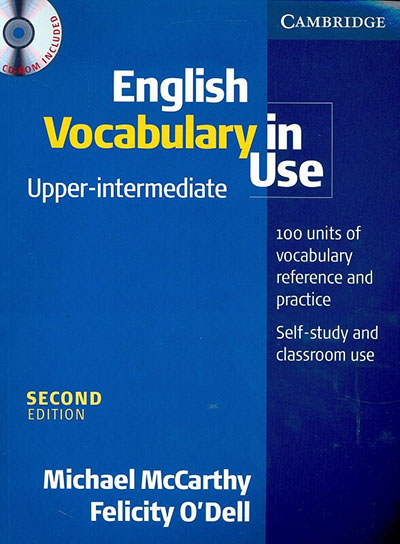
  • ĐỀ THI TIẾNG ANH CHUYÊN QUỐC HỌC HUẾ (2009-2010)

    ĐỀ THI TIẾNG ANH CHUYÊN QUỐC HỌC HUẾ (2009-2010)

    ĐỀ THI TIẾNG ANH CHUYÊN QUỐC HỌC HUẾ (2009-2010)

    Mọi ý kiến đóng góp xin gửi vào hòm thư: [email protected]

    Tổng hợp các đề cương đại học hiện có của Đại Học Hàng HảiĐề Cương VIMARU 

    Kéo xuống để Tải ngay đề cương bản PDF đầy đủ: Sau “mục lục” và “bản xem trước”

    (Nếu là đề cương nhiều công thức nên mọi người nên tải về để xem tránh mất công thức)

    Đề cương liên quan: Bộ đề thi môn Xác suất thống kê


    [toc]

    Tải ngay đề cương bản PDF tại đây: ĐỀ THI TIẾNG ANH CHUYÊN QUỐC HỌC HUẾ (2009-2010)

    ĐỀ THI TIẾNG ANH CHUYÊN QUỐC HỌC HUẾ (2009-2010)

    SỞ GIÁO DỤC-ĐÀO TẠO      KỲ THI TUYỂN SINH LỚP 10 CHUYÊN QUỐC HỌC

         THỪA THIÊN HUẾ                                       Năm học 2009 – 2010

           MÔN: TIẾNG ANH

           ĐỀ CHÍNH THỨC                          Thời gian làm bài: 120 phút

       (Đề thi gồm có 08 trang)

      ————————————————————————————————————————————————

                                                                                                    Mã phách:


    Giám khảo 1:(Họ tên & chữ ký)


    Điểm :……. / 100

    Điểm: ……../ 10

    Giám khảo 2:(Họ tên & chữ ký)


    Điểm bằng chữ:

    ————————————————————————————————————————————————–


    Ghi chú: thí sinh làm bài ngay trên đề thi, tuyệt đối không ghi gì vào phần trên.


    I. PRONUNCIATION (5 points)

    Part 1: Choose the word whose underlined part is pronounced differently from the others. (3 points)

    1. A. cheap B. character                      C. children                       D. church
    2. A. cough B. though                         C. rough                           D. tough
    3. A. tidal B. sight                              C. describe                       D. mineral

    Part 2:  Choose the word which is stressed differently from the others.  (2 points)

    1. A. jumper B. homework                    C. trousers                        D. machine
    2. A. dormitory B. category                       C. priority                          D. ordinary

    II. GRAMMAR AND VOCABULARY  ( 30 points)

    Part 1: Choose the best answer among A, B, C or D. (10 points)

    1. Hue is the city …….
    2. in which I was born.
    3. in that I was born.
    4. where I was born in.
    5. I was born.
    6. I didn’t have an umbrella , so I got wet.
    7. If I had had an umbrella, I wouldn’t get wet.
    8. If I had had an umbrella, I would get wet.
    9. I had had an umbrella, I wouldn’t have got wet.
    10. Had I had an umbrella, I wouldn’t have got wet.
    11. She was poor ……… honest.
    12. so                      B. but                            C. because                D. however
    13. I can’t stand …… in hot weather.
    14. to walk              B. walking                   C. walk                       D. to walking
    15. The coffee was too hot for me to drink.
    16. The coffee is so hot that I can’t drink it.
    17. The coffee is so hot that I can’t drink.
    18. The coffee was so hot that I couldn’t drink.
    19. The coffee was so hot that I couldn’t drink it.
    20. This is the best movie …… I have seen.
    21. which               B. where                      C. whose                   D. that
    22. You …… open the door before the train gets into the station. It’s very dangerous.
    23. must                  B. mustn’t                    C. should                   D. don’t have to
    24. English is a …… easy language to learn.
    25. compared           B. comparative            C. comparatively      D. comparable
    26. Let’s go somewhere else. There’s …… noise in this room.
    27. too many          B. too much                 C. enough                 D. too
    28. Nobody will go there, …… ?
    29.       will he                B. won’t he                  C. will they                D. won’t they

    Part 2:  Choose the correct word to complete each sentence. (10 points)


    advantage     agreement     argument                   attention        period

    complaint       contact           conversation             effect              use

    1. My teacher made a ……..………… about me to the principal.
    2. After lengthy negotiations they managed to come to an ……..………… .
    3. Lots of charities can make ……..………… of old clothing and other household goods.
    4. I had a stupid ……..………… with my brother about which TV programme to watch.
    5. I had a long ……..………… with Aunt Judith on the phone today.
    6. The constant sun is having a terrible ……..………… on my skin.
    7. Jill finally made ……..………… with her brother who was travelling in India.
    8. Rod decided to take ……..………… of the good weather and go for a long walk.
    9. It’s important to pay ……..………… to the road signs when driving in a foreign country.
    10. Sue felt that her time at college was the most exciting …………… of her life.

    Part 3: Use the word given in capitals at the end of each line to form a word that fits in the space in the same line. The first one has been done for you (0). (10points)

                  EAT MORE FRUIT AND VEGETABLES

    A recent report on the (0)   eating    habits of children in Britain              EAT

    suggests that children from the age of three to sixteen show a

    strong (1) ……………………. for vegetables and only eat                                  LIKE

    (2) ………………………amounts of fruit and vegetables at Christmas.            SUFFICE

    One researcher says not eating (3) ……………………. may have                    PROPER

    serious consequences on a child’s (4) ………………………..and physical     SPEAK

    development, resulting in poorer performance at school. One

    (5) ……………………….. is to give children extra iron and vitamins but          SOLVE

    in the long run it is more (6) ……………………………if children get the           EFFECT

    right ingredients in their (7) ……………………………diet.                                    DAY

    (8) …………………………., parents choose food for their children that is        FORTUNATE

    quick and (9) ………………………….to prepare, rather than food which          CONVENIENCE

    is fresh and healthy. (10) ……………………….., it is difficult later to get          CONSEQUENCE

    children to change their habits.

    III. LANGUAGE FUNCTIONS (5 points)

    Choose the correct response (A, B, C, or D).

    1. “Cigarette?” – “_________”
    2. I smoke five cigarettes a day. B. It’s very expensive.
    3. Not really. D. No, thanks.
    4. “Is it far to the international airport from here?” –  “_________”
    5. Yeah, it’s pretty far. B. By taxi.
    6. None at all. D. Sure, no problem.
    7. “No one can play football as well as Bill.” – “_________”
    8. You’re right. He doesn’t play it well. B. Yes, he’s a professional player.
    9. No, de doesn’t like football.                   D. Yes, about once a week.
    10. “Would you mind turning down the volume?” – “_________”
    11. Of course. B. I’d be glad to. C. Not at all.              D. Yes, sure.
    12. “Why don’t you take a break?” – “_________”
    13. Because I’m tired. B. I don’t agree.
    14. Sure, go ahead.                                      D. I guess I should.


    IV. READING COMPREHENSION ( 30 points)

    Part 1: Read the text below and decide which answer (A, B, C or D) best fits each space. (10 points)

    GENDER GAP IN EDUCATION

    For many years now, British girls have performed much better in exams than boys. Most theories about the causes of this gap —(1)— the sexes have blamed the education   —(2)— . However, new research suggests that boys’ poor performance has nothing to do —(3)— internal practices at schools. Instead external factors, such as different learning styles and how children are —(4)—  up, have to be considered.

    For this —(5)—  ,many educationalists are now studying how boys and girls learn to read. They believe that, since reading is —(6)—  taught either by mothers or by female primary school teachers, many boys —(7)— reading as a woman’s activity and this puts them —(8)—  it.

    Another factor could be that boys are generally more —(9)—  than girls. When they can’t be the best, they would rather —(10)—  up on education than be considered average. Girls seem much happier to be second best.

    1. A. among B. between                         C. beside                         D. beyond
    2. A. method B. style                                C. technique                   D. system
    3. A. by B. from                                C. at                                  D. with
    4. A. brought B. raised                             C. given                           D. grown
    5. A. cause B. purpose                          C. reason                         D. objective
    6. A. hardly B. generally                        C. rarely                           D. lately
    7. A. look B. notice                             C. see                               D. watch
    8. A. off B. on                                    C. across                         D. through
    9. A. determined B. optimistic                        C. possessive                 D. competitive
    10. A. give B. take                                 C. break                           D. turn

    Part 2: Read the text below and think of the word which best fits each space. Use only ONE word in each space. (15 points)

    FAMILY LIFE

    In a big family like mine you have a (1) ……………….. of arguments. (2) ……………….. weekend, for example, we have been trying to decide on our summer holiday. (3) ……………….. is amazing how difficult this kind of decision can be when you have to consider so (4) …………… different ideas. It can be hard enough for two people to agree, but (5) ……………….. are eight of us! My mum wants to go to the mountains, but (6) ………………… else does. (7) ……………….. three of my brothers want to go to the beach, but that’s the (8) ……………….. place my dad refuses to go. (9) ……………….. of my parents wants to go abroad – (10) ……………….. say it’s too expensive. Unfortunately, my sister Sonya wants to go to Disney World. Dad says fine, so long as she pays for (11) ……………….. .  Of course, my older sister wants to go away with her friends, but Mum says she is too young to go on holiday on her (12) ……………….. .

    And me? I’ll go anywhere. (13) ……………….. I’d really like is if (14) ……………….. could just agree with each (15) ………………..  on something for once.

    Part 3: Read the passage and circle the best answer (A, B, C, or D) to each question.

                                                                                                                                     (5 points)

    WHO IS REALLY ON THE INTERNET?

    One of the great things about the Internet, as well as one of its biggest problems, is that people are basically anonymous on it. In Internet chat rooms and web cafés, people can use a different name and even create an entirely different identity if they want to.

    In some ways, this is a good thing. For many people, it gives them the chance to do things that they could never do in real life. For example, a person might be very shy in real life, but that same person may find the courage to make friends on the Internet because it feels safer. In addition, people in some countries are not free to express their opinions, especially if they don’t like the government. By using a different identity on the Internet, they can express their opinions without worrying about getting in trouble.

    That same freedom to be ‘another person’ on the Internet, however, causes many problems as well. The major problem is Internet fraud. Many dishonest people use the Internet to pretend to be a different person. Then they trick a person into trusting them in some way and take their money. In one case, two Japanese men lied to Filipinos who wanted to travel to Japan. The two Japanese men told them that they could help them get visas to Japan for a small price (about $ 400 per person). The two Japanese men took thousands of dollars from hopeful Filipinos, but none of the people ever got their visas. The number of these kinds of crime is quickly rising. Last year, Internet criminals stole over

    $ 350 million from trusting people. When you consider that only $ 57 million was stolen in bank robberies in all of Europe, it is easy to see that Internet crime is a serious problem.

    1. The word ‘anonymous’ in bold in paragraph 1 is closest in meaning to _______.
    2. nameless B. dishonest C. trusting                  D. criminal
    3. According to paragraph 2, all of the following are true of the Internet EXCEPT _______.
    4. it allows people to safely oppose their government
    5. it makes it easier for people to express themselves
    6. it gets people in trouble
    7. it helps shy people make friends
    8. The word ‘they’ in bold in paragraph 2 refers to _______.
    9. people B. countries C. opinions               D. friends
    10. The author mentions two Japanese men in order to _______.
    11. suggest that there is a lot of Internet crime in Japan.
    12. show that getting a visa is very difficult in Japan.
    13. give an example of fraud on the Internet.
    14. show that you shouldn’t trust anyone on the Internet.
    15. Why does the author mention bank robberies?
    16. To show that there is more money in Internet crime than in robbing banks.
    17. To suggest that Internet crime is easier than robbing banks.
    18. To show that Internet crime is much more common than other types of crime.
    19. To show that banks are safer than the Internet.

    V. WRITING  ( 30points)

    Part 1: Complete the second sentence so that it has the similar meaning to the first one, by  using the word given.( Do not change the word given.) ( 10 points)

    1. It’s a long time since our last conversation. spoken

    We ……………………………………………………………..…………………………….….

    1. During dinner, the phone rang. I

    When ……………………………………………………………….…………………………….

    1. Do you have any plans for Saturday evening? doing

    What ………………………………………………………………………….…….………….?

    1. Please don’t open the window. you

    I’d ……………………………………………………………………………..……………………

    1. I haven’t been to the cinema for two months. time

    The …………………………………………..……………………………………………………

    1. We had to do a lot of homework at school. made

               We …………………………………………………………………………………………….

    1. We can’t leave if John doesn’t arrive. until

    We’ll …………………………………………………………………………………………..

    1. As people get older, their eyesight becomes weaker. worse

    The older ……………………………………………………………………………………..

    1. That old keyboard is not worth repairing. pointless

    It is ……………………………………………………………………………………………

    1. I’ve never been to a less exciting concert. least

    It is …………………………………………………………………………………………….

    Part 2: Read the following paragraph about oil and gas supplies. One word is missing from each line. Put an oblique stroke (/) where the word has been omitted and write the missing word in each blank. The first one has been done for you. (10 points)

    Although the world’s energy resources/taken many               0.          have                   .

    millions of years to produce, we quickly beginning                1. __________________

    to exhaust these supplies. Recently UN committee                2. __________________

    reported that world’s oil and gas supplies                                 3. __________________

    would about 100 years if used carefully. The report               4. __________________

    stated that there be enough oil and gas for a century            5. __________________

    only if the present demand could controlled. If the                 6. __________________

    demand continued grow, the report said that fuel                  7. __________________

    supplies would last for less forty years. According                 8. __________________

    to the report, governments must now steps to                         9. __________________

    control the amounts of fossil fuels are used.                         10. __________________


    Part 3: Write an essay ( at least 200 words) on the following topic:  (10 points)

    What are the advantages and disadvantages of television?

    …………………………………………………………………………………………………………………………………………………………………………………………………………………………………………………………………………………………………………………………………………………………………………………………………………………………………………………………………………………………………………………………………………………………………………………………………………………………………………………………………………………………………………………………………………………………………………………………………………………………………………………………………………………………………………………………………………………………………………………………………………………………………………………………………………………………………………………………………………………………………………………………………………………………………………………………………………………………………………………………………………………………………………………………………………………………………………………………………………………………………………………………………………………………………………………………………………………………………………………………………………………………………………………………………………………………………………………………………………………………………………………………………………………………………………………………………………………………………………………………………………………………………………………………………………………………………………………………………………………………………………………………………………………………………………………………………………………………………………………………………………………………………………………………………………………………………………………………………………………………………………………………………………………………………………………………………………………………………………………………………………………………………………………………………………………………………………………………………………………………………………………………………………………………………………………………………………………………………………………………………………………………………………………………………………………………………………………………………………………………………………………………………………………………………………………………………………………………………………………………………………………………………………………………………………………………………………………………………………………………………………………………………………………………………………………………………………………………………………………………………………………………………………………………………………………………………………………………………………………………………………………………………………………………………………………………………………………………………………………………………………………………………………………………………………………………………………………………………………………………………………………….


    THE END


    SỞ GIÁO DỤC-ĐÀO TẠO      ĐÁP ÁN KỲ THI TUYỂN SINH LỚP 10 CHUYÊN QUỐC HỌC

         THỪA THIÊN HUẾ                                       Năm học 2009 – 2010

           MÔN: TIẾNG ANH

    —————————————————————————————————————————————-

    1. PRONUNCIATION (5 POINTS)

    PART 1: (3 POINTS)

    1, B                 2. B                 3. D

    PART 2: (2 POINTS)

    1. D 2. C
    2. VOCABULARY & GRAMMAR: (30 points)

    Part 1:  (10 points) (one point for each correct answer)

    Q# 1 2 3 4 5 6 7 8 9 10
    Key A D B B D D B C B C

    Part 2:  (10 points) (one point for each correct answer)

    1. complaint 2. agreement 3. use              4. argument               5. conversation
    2. effect 7. contact 8. advantage  9. attention                10. period

    Part 3: (10 points) (one point for each correct answer)

    1. dislike 6. effective
    2. sufficient 7. daily
    3. properly 8. Unfortunately
    4. speech 9. convenient
    5. solution 10. Consequently

    III. LANGUAGE FUNCTIONS (5 points) (one point for each correct answer)

    Q# 1 2 3 4 5
    Key D A B C D
    IV. READING:  (30  points)

    Part 1:  (10 points) (one point for each correct answer)

    Q # 1 2 3 4 5 6 7 8 9 10
    Key B D D A C B C A D

    A


    Part 2:  (15 points) (one point for each correct answer)

    1. lot 2. This 3. It                 4. many                      5. there
    2. nobody/no-one 7. All 8. one/only                9. Neither       10. they
    3. herself/it         12.own           13. What                    14. everybody/everyone/we
    4. other

    Part 3: 5 points (one point for each correct answer)


    Q # 1 2 3 4 5
    Key A C A C C
    V. WRITING: (30 points)

    Part 1: (10 points) (one point for each correct answer)

    1. We haven’t spoken (to each other) for a long time.
    2. When I was having/eating dinner, the phone rang.
    3. What are you doing on Saturday evening?
    4. I’d rather you didn’t open the window.
    5. The last time I went to the cinema was two months ago.
    6. We were made to do a lot of homework at
    7. We’ll have to wait /stay until John arrives.
    8. The older people get, the worse their eyesight becomes.
    9. It is pointless to have that old keyboard repaired.
    10. It is the least exciting concert that I’ve ever been to.


    Part 2: (10 points) (one point for each correct answer)

    Although the world’s energy resources / taken many              0.          have                   .

    millions of years to produce, we /quickly beginning               1.          are                      .

    to exhaust these supplies. Recently  / UN committee              2.          a                         .

    reported that /world’s oil and gas supplies                                3.          the                      .

    would / about 100 years if used carefully. The report             4.          last                     .

    stated that there / be enough oil and gas for a century             5.          would                 .

    only if the present demand could /controlled. If the                6.          be                       .

    demand continued /grow, the report said that fuel                  7.          to                        .

    supplies would last for less / forty years. According              8.          than                    .

    to the report, governments must now / steps to                        9.          take                 .

    control the amounts of fossil fuels / are used.                         10.          that/ which           .


  • Đề thi vào lớp 10 môn Tiếng Anh chuyên Vĩnh Phúc (2008-2009)

    Đề thi vào lớp 10 môn Tiếng Anh chuyên Vĩnh Phúc (2008-2009)

    Đề thi vào lớp 10 môn Tiếng Anh chuyên Vĩnh Phúc (2008-2009)

    Mọi ý kiến đóng góp xin gửi vào hòm thư: [email protected]

    Tổng hợp các đề cương đại học hiện có của Đại Học Hàng HảiĐề Cương VIMARU 

    Kéo xuống để Tải ngay đề cương bản PDF đầy đủ: Sau “mục lục” và “bản xem trước”

    (Nếu là đề cương nhiều công thức nên mọi người nên tải về để xem tránh mất công thức)

    Đề cương liên quan: 12 Đề thi thử đại học môn Vật lý năm 2015


    [toc]

    Tải ngay đề cương bản PDF tại đây: Đề thi vào lớp 10 môn Tiếng Anh chuyên Vĩnh Phúc (2008-2009)

    Đề thi vào lớp 10 môn Tiếng Anh chuyên Vĩnh Phúc (2008-2009)


                                                    (Đề thi gồm: 04 trang)

    ==========================================================================

    A. PHONETICS

    I. Pick out the word whose underlined part is pronounced differently from that of the other words. Identify your answer by writing the corresponding letter A, B, C or D on your answer sheet.

    1. A. sugar B. sight C. source                             D. sale
    2. A. sensitive B. benefit C. pretty                             D. remedy
    3. A. host B. cold C. short                               D. close
    4. A. thirsty B. guitar C. dirty                               D. listen
    5. A. safe B. map C. bag                                 D. hat
    6. Choose the word whose stress pattern is different. Identify your answer by writing the corresponding letter A, B, C or D on your answer sheet.
    7. A. visit B. prevent C. pollute                            D. suggest
    8. A. compose B. parade                            C. sample                           D. aboard
    9. A. begin B. cover C. return                             D. admire
    10. A. Vietnamese B. European C. African                           D. Westerner
    11. A. novel B. poet C. gather                             D. remote

    B. LEXICAL – GRAMMAR

    1. Choose from the four options given (marked A, B, C and D) one best answer to complete each sentence. Identify your answer by writing the corresponding letter A, B, C or D on your answer sheet.
    2. He __________ out of his house since he __________ his color TV.
    3. hasn’t been – has bought             B. hasn’t been – bought
    4. wasn’t – has bought D. wasn’t – bought
    5. __________ adequate precautions are taken, there is no risk involved in the operation.
    6. Although                        B. Providing                C. Nevertheless            D. Even
    7. The computer won’t work unless you _________ these cables.
    8. connect            B. connected                C. don’t connect          D. didn’t connect
    9. Let’s go to the zoo, _________?
    10. don’t we B. don’t you                C. shall we                  D. will you
    11. He ran out of money so he had to ________ some from his friend.
    12. borrow B. ask                          C. lend                                    D. earn
    13. Not once _________ his promises.
    14. he is keeping             B. he keeps                  C. did he keep            D. has he kept
    15. The teacher didn’t explain the reason ________ he was punished.
    16. what B. which                      C. how                                    D. why
    17. Mothers are always _________ towards their children, aren’t they?
    18. protect                   B. protective               C. protected                D. protections
    19. Don’t tell me I didn’t lock the door last night. I remember __________ it.
    20. to lock             B. lock                         C. locked                     D. locking
    21. I’ll give you a ring _________ we get back from our vacation.
    22. and B. as soon as               C. as long as                D. since
    23. Would you mind _________ in this library?
    24. not to smoke B. not smoke               C. not smoking            D. don’t smoke
    25. Those mushrooms are ________. Don’t eat them!
    26. poisoned             B. poisoning                C. poisonous               D. poison
    27. I __________ the piano in my room at this time yesterday.
    28. played B. were playing           C. was playing            D. have played
    29. I saw your school’s ________ in today’s edition of The Vietnam News.
    30. advertising B. advertises               C. advertised               D. advertisement
    31. He tried to walk ________ so as not to be late for school.
    32. fast B. quick                       C. rapid                       D. slowly
    33. Do you want _________ by the doctor?
    34. to examine B. to be examined       C. being examined      D. examining
    35. I am _________ that you liked it.
    36. surprised             B. surprising                C. surprise                   D. surprisingly
    37. Very often the chocolate inside is not as exciting as its __________ .
    38. coat                    B. wrapper                  C. cover                       D. paper
    39. Alan is really impressed by the _________ of the city and by the friendliness of its people.
    40. beautiful        B. beauty                    C. beautifully               D. beautify
    41. The boss said that he would fly to Ho Chi Minh City __________ day.
    42. next         B. the previous            C. the following           D. the before
    43. This book isn’t very interesting,……….?
    44. is it B. isn’t  it                     C. is this                     D. isn’t this
    45. He refused………… with me.
    46. go B. to go                       C. going                      D. having gone
    47. I can …………with my friends and relatives by means of e-mail.
    48. relate B.get                           C.gather                      D. communicate
    49. We are depending……….you to help us.
    50. at B. in                            C. on                           D. with
    51. Mr. Brown needs to leave right now,…………?
    52. doesn’t he B. . needn’t  he            C. need he                  D.does he
    53. The nurse suggested………..two aspirins.
    54. to take B.take                          C. taking                     D.being taken
    55. Our teacher asked us to learn the poem…………heart.
    56. in B. by                           C. at                            D.on

    28.The journey to the countryside is very ______

    1. interest B. interesting               C. interested                D. a and b
    2. We both like sailing , ______ we choose to live near the sea .
    3. and B. because                   C. so                            D. although
    4. We wish It ______ now .
    5. doesn’t rain B. isn’t rain                 C. didn’t rain              D. wasn’t rain
    6. They ______ Hanoi with their family 2 days ago .
    7. left B.leave                       C. haven left               D.a and c
    8. I was born ______ October 31, 1990 .
    9. in B. to                            C. at                            D. on
    10. He wishes he ______ his family .
    11. could visit B. can visit                  C. visit                         D. b and c
    12. Mr Minh  is  a  kind ——————————– .
    13. examine B.  examiner                C.  examination           D.  exam
    14. She asked  Lan  what  her  name ———————- .
    15. is             B. was                         C. will  be                    D. have  been
    16. We have well ………………………… teachers.
    17. qualify B. qualified                 C. qualification           D. quality

    37.We’re looking forward to ………………… you.

    A.seeing                                  B.see                                       C.saw                          D.seen

    38.The internet has developed and become part ……………… our daily life.

    A.on                                        B.at                             C.in                             D.of

    39.The Blacks live in the house …………………….. the green doors.

    1. have B. with             C. which                      D. where
    2. The train will leave …………………… ten minutes.
    3. in B. for                           C. at                            D. about
    4. What is the ………………………….. of your country?
    5. introduction B. population              C separation                D. pollution
    6. Did Lan use to ………………….to Maryam?
    7. write B. written                    C. writing                    D. wrote
    8. Is there …………………….. for every one?
    9. wine enough B. enough wine           C. enough of wine      D. of wine enough
    10. Does the grass need ……………………………..?
    11. be cut                     B. cut                          C. cutting                    D. to cut

    45.. You ‘d better …………………….. harder.

    1. working B. worked                   C. to work                   D. work

    46.. We are all …………………. by the football match.

    1. decorated B. to decorate             C. decorating              D. decorate
    2. I wanted some coffee but there was …………………….. in the pot.
    3. any             B. no                           C. out                          D. nothing
    4. they have made a lot of progress………….. the country became independent.
    5. for B. since                       C. before                     D. until
    6. Desgners made different______________ of jeans to match the 1960s fashions.
    7. form                       B. appearenee             C. moduls                    D. styles
    8. When ? In 1876.
    9. the telephone was invented                       B. was the telephone invented
    10. did the telephone invented                        D .did the telephone invent
    11. Each of the following sentences has one mistake. Identify the mistake by writing the corresponding letter A, B, C or D on your answer sheet.
    12. Lan didn’t go to the cinema with her friends last Saturday evening because her sickness.

    A                                              B                                                C                  D

    1. The water and land around the chemical factory are serious polluted.

    A                           B                C                               D

    1. The letter has just written by one of my closest friends.

    A      B         C                        D

    1. They played so good game of tennis last night that they surprised their audience.

    A                B                        C                 D

    1. My daughter likes watching cartoon films, and so do my son.

    A                 B            C         D

    1. If I was in your place, I would make a trip to England.

    A             B                                   C          D

    1. I bought a computer which screen was not very good.

    A                B          C                  D

    1. Physics are very difficult for students to learn.

    A               B       C                     D

    1. The harder you learn, the most knowledge you get.

    A          B               C                D

    1. Mary’s mother gave her a new hat at her birthday.

    A                            B        C        D

    C. READING

    1. Read the following passage then choose the best answer from the four options (marked A, B, C and D) to complete the numbered blanks in the passage. Identify your answers by writing the corresponding letter A, B, C or D on your answer sheet.

    Although some groups of people have always lived outdoor in tents, camping as we know it today only began to be (1) _________ about 50 years ago. The increase in the use of cars and improvement in camping equipment have (2) __________ more people to travel longer (3) __________ into the countryside and to stay there in greater comfort.

    Many campers like to be (4) __________ themselves in quiet areas, so they (5)__________ their tent and food, and walk or cycle into the forests or the mountains. Others, preferring to be near people, drive to a public or privately-owned campsite (6) __________ has up-to-date facilities, (7)__________ hot showers and swimming pools.

    Whether campers are (8) ________ in the mountains or on a busy site, they should remember to (9)________ the area clean and tidy. In the forests, they must put out any fires and keep food hidden to avoid attracting (10) _________ animals.

    1. A. fame B. popular C. favorite                 D. current
    2. A. asked B. let          C. made                     D. allowed
    3. A. parts B. directions C. voyages                D. distances
    4. A. on B. by C. at                          D. of
    5. A. take B. make C. pick                      D. do
    6. A. where B. who C. which                   D. when
    7. A. such B. like C. as                          D. just
    8. A. lonely B. single C. separate                D. alone
    9. A. remain B. stay C. keep                      D. let
    10. A. wild B. natural C. loose                     D. free
    11. Complete the following passage by choosing one suitable word in the box to fill in each blank (each word must be used one time only).
    make on during also example
    an do find what up
    reason average which when encourage
    result think


    Teachers have often used memory tests to assess the intelligence of their students. But having a good memory often has little to (1) __________ with intelligence. Studies have shown not only that some people of below (2) _________ intelligence have exceptional memories, but (3)__________ that some highly intelligent people have poor memories. A good memory is more often the (4) _________ of using techniques that can be learned, and many of the books that have been written on the subject (5) _________ people to use similar methods. One of these is that you make up short sentences or rhymes which can help you remember (6)__________ you need to know by heart. For (7) ________, the first letters of the words in the sentence ‘Rechard of York gained battles in vain’ are ROYBIV; these are the colors of the rainbow – red, orange, yellow, and so on. Another technique involves, linking the sounds of words with images, which can be particularly effective (8) __________ learning new words. The learner needs to create an image to help to remember the word. By using techniques like this, many learners (9) _________ it a lot easier than they had expected to keep (10)_________ learning new vocabulary.


    D. WRITING

    I.  Rewrite each of the following sentences so that it has a similar meaning to the original one.

    1. Her voice is so beautiful that everyone admires it.

    –> She …………………………………………………………………………………………………….

    1. He regrets telling her the truth.

    –> He wishes…………………………………………………………………………………………….

    1. The last time it rained was a fortnight ago.

    –> It hasn’t………………………………………………………………………………………………..

    1. We don’t buy the house because we don’t have enough money.

    –> If we had……………………………………………………………………………………………..

    1. “How old is your son?” the nurse said to Mrs. Green.

    –> The nurse …………………………………………………………………………………………….

    1. It’s years since we decorated this room.

    –> We haven’t ………………………………………………………………………………………..

    1. The news was so wonderful that she decided to have a celebration.

    –> It was……………………………………………………………………………………………..

    1. The garage is going to repair the car for us next week.

    –> We are going…………………………………………………………………………………..

    1. It is not necessary for you to finish the work now.

    –> You………………………………………………………………………………………………………….. ……. .

    1. Jane is the most talented student in my school.

    –> No student………………………………………………………………………………………… ……………. .


    Họ và tên thí sinh: ……………………………………                      

    Số báo danh: …………………………………………


    SỞ GD & ĐT VĨNH PHÚC

              —————-

          ĐỀ CHÍNH THỨC

    ĐÁP ÁN ĐỀ THI TUYỂN SINH VÀO LỚP 1O THPT CHUYÊN

    NĂM HỌC: 2008 – 2009

    MÔN: TIẾNG ANH


    1. PHONETICS
    2. Pick out the word whose underlined part is pronounced differently from that of the other words.

       (0,5 ®iÓm: 0,1 ®iÓm/c©u)

    1. A 2. C 3. C 4. D 5. A
    1. Choose the word whose stress pattern is different. (0,5 ®iÓm: 0,1 ®iÓm/c©u)
    1. A 2. C 3. B 4. A 5. D
    1. LEXICAL – GRAMMAR
    2. Choose from the four options given (marked A, B, C and D) one best answer to complete each sentence. (2 ®iÓm: 0,1 ®iÓm/c©u)
    1. B 5. A 9. D 13. C 17. A
    2. B 6. D 10. B 14. D 18. B
    3. A 7. D 11. C 15. A 19. B
    4. C 8. B 12. C 16. B 20. C
    1. Each of the following sentences has one mistake. Identify the mistake by writing the corresponding letter A, B, C or D on your answer sheet. (1 ®iÓm: 0,1 ®iÓm/c©u)
    1. C 3. A 5. D 7. C 9. B
    2. D 4. A 6. A 8. A 10. D
    1. READING
    2. Read the following passage then choose the best answer from the four options (marked A, B, C or D) to complete the numbered blanks in the passage. (2 ®iÓm: 0,2 ®iÓm/c©u)
    1. B 3. D 5. A 7. B 9. C
    2. D 4. B 6. C 8. D 10. A
    1. Complete the following passage by choosing one suitable word in the box to fill in each blank.

        (1 ®iÓm: 0,1 ®iÓm/c©u)

    1. do 3. also 5. encourage 7. example 9. find
    2. average 4. result 6. what 8. when 10. on


    1. WRITING
    2. Rewrite each of the following sentences so that it has a similar meaning to the original one.

        (0,5 ®iÓm: 0,1 ®iÓm/c©u)

    1. She has such a beautiful voice that everyone admires it.
    2. He wishes he hadn’t told her the truth.
    3. It hasn’t rained for a fortnight. / It hasn’t been raining for a fortnight.
    4. If we had enough money, we would buy the house.
    5. The nurse asked Mrs. Green how old her son was.


  • Đề thi Tiếng Anh vào các ngân hàng

    Đề thi Tiếng Anh vào các ngân hàng

    Đề thi Tiếng Anh vào các ngân hàng

    Mọi ý kiến đóng góp xin gửi vào hòm thư: [email protected]

    Tổng hợp các đề cương đại học hiện có của Đại Học Hàng HảiĐề Cương VIMARU 

    Kéo xuống để Tải ngay đề cương bản PDF đầy đủ: Sau “mục lục” và “bản xem trước”

    (Nếu là đề cương nhiều công thức nên mọi người nên tải về để xem tránh mất công thức)

    Đề cương liên quan: Đề thi kiểm tra Pháp Luật Đại cương 2019


    [toc]

    [pdfviewer width=”800px” height=”1000px” beta=”true/false”]https://hotroontap.com/wp-content/uploads/2019/06/%C4%90%E1%BB%81-thi-Ti%E1%BA%BFng-Anh-v%C3%A0o-c%C3%A1c-ng%C3%A2n-h%C3%A0ng.pdf[/pdfviewer]

    Tải ngay đề cương bản PDF tại đây: Đề thi Tiếng Anh vào các ngân hàng

    ĐỀ SỐ 1
    SECTION 1: Language usage (30 marks)
    Circle the correct answer
    1. In the long term ……….. is due to increase in the price of raw materials. This is the situation where prices rise to keep up with increased production cost.
    a. devaluation b. inflation c. recession d. crisis
    2. In a accordance with our usual terms, payment will be by …………This is a letter from a bank authorizing payment of a certain sum to a person or a company.
    a. cheque b. banker’s draft c. letter of credit d. cash on delivery
    3. We enclose our ……….., which is a formal request for payment.
    a. receipt b. quotation c. commercial invoice d. bill of lading
    4. The industry and construction ……….. is facing difficulties due to low efficiency and competitiveness.
    a. set b. sector c. section d. part
    5. It is complained that the Telephone and Post Communicatios Company is operating in a very favourable environment without any ………..
    a. monopoly b. fluctuation c. promotion d. competition

    1. We are proud of the very high level of services we offer and are accustomed to organizing conferences ……….. two thousand delegates.
      a. out of to b. of up to c. from up to d. up from to
      7. Sofitel Plaza Hotel has an excellent range of facilities and no doubt you will be aware ………. the fact that the local area is rich in cultural interest.
      a. for b. to c. of d. about
      8. When we receive your bank confirmation of L/C, your order will be made ………..
      a. for b. over c. up d. with
      9. Impex is an international company which deals ………. a wide variety of goods.
      a. for b. in c. of d. about
      10. A fall in prices can result in serious difficulties to many producers and may cause them to go ……….. business completely.
      a. through b. out c. out of d. into

      11. The MD asked Mr. Green ………..
      a. that he had finished the report b. whether he had finished the report
      c. had she finished the report d.if had he finished the report
      12. The MD also wanted to know ………….
      a. when Mr. Green will submit that report b. when would Mr. Green submit the report
      c. when will Mr. Green submit the report d. when Mr. Green would submit the report
      13. Would you like ………. coffee? Yes, please.
      a. any b. the c. 0 d. a
      14. The goods in this catalogue are of …………. excellent value. I am going to order some.
      a. the b. 0 c. an d. a
      15. The Sales&Marketing Department will be divided into two …………, a new Management Services Department will be created.
      a. Furthermore b. Therefore c. Although d. Otherwise

      16. …………the launch date is due, the new product is not ready yet. So, the shopfloor workers are working hard now.
      a. Nevertheless b. However c. Although d. Inspite of
      17. Fluctuation in exchange rates causes instability. …….., it makes forecasting more difficult.
      a. In addition b. So c. In order that d. So that
      18. Producing new software is not necessarily expensive, ……… innovations in computer hardware certainly involve massive costs.
      a. where b. whereas c. when d. as
      19. Mr. Green , …………..is an experienced businessman is very eager to expand his business in the Middle East.
      a. which b. that c. who d. b & c
      20. One of the accidents they had was pretty serious. A workman ………..20 feet above the ground when he suddenly fell.
      a. was working b. worked c. has been working d. has worked

      21. The number of overseas Vietnamese going home ……… by 8.9% this year.
      a. increases b. is increasing c. has increased d. increased
      22. The Bank’s loan terms are better than those on hire purchase, so I …… ……… the bank loans.
      a. am choosing b. had chosen c. was choosing d. will be choosing
      23. My boss has come in and ………. you in a few minutes.
      a. would see b. has seen c. will see d. is going to see
      24. Next week, John is going home for Christmas. He hopes his family ………….. at the airport.
      a. will have waited b. have been waiting
      c. will be waiting d. are waiting
      25. Could you tell Mr. Blake that Mr. Ali is here? He ………. me.
      a. will expect b. was expecting c. is expecting d. has expected

      Complete each sentence with the correct from of the word in brackets.
      26. (BENEFIT) The new salary scheme is ……….to all staff.
      27. (COMMERCE) Ho Chi Minh City is the biggest ……. center in the country.
      28. (RELATIVE) The risk of investing in durable goods is ……..low.
      29. (VARY) Prices have not shown much …………this year.
      30. (MANAGE) Good …………should be capable of leading as well as managing.

      SECTION 2: Language use (70 marks)
      2.1 Choose ONE suitable word for each sentences from the list below (20 marks)

      measurable deteriorate goods money factors
      payments decrease production capital economy
      resources companies value available risk

      1. As they ……… easily, perishables must be placed on the market as quickly as possible.
      2. Foreign direct investment(FDI) has significantly contributed to the performance of the ……….
      3. FDI projects account for 12% of GDP and 35% of industrial ……….
      4. More than 2,500 FDI projects have been licensed with a total ……… of 40 billion dollars.
      5. Economics studies how society uses its scarce ………… to produce goods and services.
      6. Money is used to save for the future; it is a store of ………….
      7. Providing capital for a business always involves an element of …………
      8. Entrepreneurs control and co-ordinate various ………. of production.
      9. The econnomist is only interested in services which are ………… in terms of money.
      10. Changes in prices result in changes in the quantity of a particular commodity ………… to consumers.

      2.2. Reading comprehension (30 marks)
      Read the passage below and then do the tasks that follow

      It seems easy to say that you are employed if you work for somebody else and you are self – employed if you work for yourself! But life isn’t quite so simple. Being self-employed is not restricted to people who run their own business, in the physical sense of owning property and stock and perhaps employing their own staff. A great number of people work from home in a wide range of occupations and many of them are classed as self-employed. Examples are the hairdresser who has set up shop in one room of the house, the freelance book-keeper who does the accounts for other small businesses, the woman who holds clothing or Tupperware parties, and the artist who takes on freelance work from various publishing companies.

      People who work on a freelance basic “hire out” their skills to anyone who will pay them. A freelance photographer, for instance, may either be contracted to do a specific job for a newspaper or may even take photographs of events on the change that he/she can sell them.

      The number of people in Britain who are classed as self-employed rose by 52% between 1981 and 1991 from 2.2 million to 3.3 million people – and most of them work on their own (i.e. they do not employ other people) in many cases these are people who have been faced with redundancy and who have used their savings or their redundancy payments, or taken advantages of one of the government schemes to set up on their own.

      Circle the correct answer
      11. Which of the following suggestions is a suitable title for the passage?
      a. Self – employment b. Employed or self – employed?
      c. The UK employment market d. Types of employment
      12. A self-employed person
      a. has to carry out instructions b. works for several employers
      c. is paid a wage or salary d. is own employer
      13. The passage suggests
      a. The pattern of employment is not varied in the UK
      b. If you are in a job, you will have it forever.
      c. It is standard practice for many people in the UK to leave school and work for themselves.
      d. In the UK people can either have the opportunity or the finances to start in business for themselves

      What does each of the following underlined word/phrase refer to?
      14. “……..and many of them are classed as self-employed.” (Paragraph 1)
      15. “by 52% between 1981 and 1991 from 2.2 million to 3.3 million people – and most of them work on their own.” (paragraph 3)

      Which words in the passage mean the following?
      16. jobs……….
      17. to classify ………..
      18. state of being no longer needed for any available jobs ……..

      Fill in each blank with ONE suitable word from the passage
      19. ……………..becomes more popular among mothers of young children as they don’t have to work the standard 8 a.m to 5 p.m a day.
      20 . Self – employed may ………..other people to help them with their business.

      2.3. Writing (20 marks)
      Read this invitation card and write a short description of the Book Fair for a brochure

      INVITATION TO 2002 BOOK FAIR
      Youth Cultural Centre
      Exhibition of Books in Vietnamese and foreign languages
      Free copies of catalogues
      Free use of Internet

      Publishers from over the country and Oxford University Press
      21 – 28 February, 2002

      ĐỀ SỐ 2
      SECTION 1: Language usage (30 marks)
      Circle the correct answer
      1. We believe communication channels within the company will be simplified, …….. our decision making will be more streamlined.
      a. in order to b. so c. so that d. that
      2. No holiday booking will be accepted ……..it is accompanied by the necessary deposit.
      a. if b. whether c. unless d. when
      3. More men than women are self-employed ………..this type of work is also popular among mothers of young children.
      a. however b. although c. nevertheless d. inspite of
      4. Travel Services is expanding its business to Vietnam, …………..is a fast growing market.
      a. which b. who c. that d. 0
      5. Coca-Cola employees enjoy high salaries. ………….., they can claim traveling expenses.
      a. In addition b. however c. Therefore d. So that

      6. After considering the advantages and disadvantages of the trip to Chicago, Mr Green wants to revise his …………….
      a. plan b. agenda c. itinerary d.list
      7. Exports of the company ………..of natural gas, cotton, and textiles.
      a. include b. has c. consist d. compose
      8. ………………of currency is American dollar.
      a. unit b. money c. measure d. device
      9. There is a very rapid growth in the computer and data processing market, especially in the banking
      a. section b. sector c. part d. department
      10. A group of certain companies …………the market when they have completely controlled over particular commodities.
      a. corner b. advertise c. monopolize d. motivate

      11. We are planning ……………series of travel talks on different holiday resorts. The first talk is called “Discover Vietnam”
      a. the b. a c. an d. 0
      12. The sign on the door says “……………..set menu lunch will be available from 12:30p.m. we hope you will be able to attend”
      a. the b. a c. an d. 0
      13. The sponsorship will be ………….those employees with good records of work.
      a. for b. on c. with d. in
      14. The enclosures should be attached ……………..the letter.
      a. to b. for c. with d. in
      15. Alison has finished her project ………..personnel management.
      a. in b. about c. to d. on

      16. The clerical staff will use the desk top system ………………word processor.
      a. like b. same as c. as d. similar to
      17. The Us dollar has risen ……………..Vietnamese dongs.
      a. to b. by c. against d. opposite
      18. Multinational companies ……………. rapidly since World war 2, and today some have operations in more than 100 countries.
      a. were growing b. have grown c. had grown d. grew
      19. A huge explosion caused extensive damage last night in the new multi-million dollar factory of Perfecta Ltd, the well-………… ladies’ fashion designers.
      a. know b. known c. knew d. knowing
      20. “I am sorry Mr. Dent will not be able to see you tomorrow. He …………… a meeting 9:30 tomorrow.
      a. will attend b. is attending c. is going to attend d. attends

      21. Travel Services is discussing …………… an office in Vietnam to expand their business in South East Asia.
      a. to open b. the opening c. opening d. opened
      22. Tourists are strongly recommended ………. travel insurance for the period of their journey.
      a. the taking out b. to take out c. to be taken out d. taking out
      23. The manager is interested to know ……….
      a. if staff are happy with the new arrangements at work.
      b. whether are staff happy with the new arrangements at work.
      c. are staff happy with the new arrangements at work.
      d. what staff are happy with the new arrangements at work.
      24. The manager came to see me and asked “………….”.
      a. What other changes to the working conditions do you think we should make?
      b. What other changes to the working conditions you think we should make?
      c. If you think we should make other changes to the working conditions?
      d. If other changes you think we should make to the working conditions
      25. ………………will be a new year party at 8:00 in the evening. It will be held at the Continental Hotel.
      a. There b. It c. This d. That

      Complete each sentences with the correct form of the word in brackets
      26. (EMPLOY) The new salary scheme is to the benefit of all ………….
      27. (VARY) The company will increase the ……… of products offered for sale.
      28. (PROFIT) It would be more ……… to set up a subsidiary.
      29. (FINANCE) HSBC provides …………. Services all over the world.
      30. (EXTREME) The figures show an ………….. good year for the company.

      SECTION 2: Language use (70 marks)
      2.1. Choose ONE suitable word for each sentences from the list below (20 marks)

      competition diminish increase management economy
      sales reduce measure bear particular
      average planned monopoly rate economic

      1. Besides essential commodities, people also buy non-essential commodities which provide some …………… personal satisfaction.
      2. Utility is related to our decisions about priorities in production, particularly in a centrally ………………… economy.
      3. The Vietnamese economy grew by an annual ………….. of 8% between 1991 and 1998.
      4. In 1999, …………growth slowed down with a 5% increase in GDP.
      5. GDP’s growth ……… stood at 6% in 2000 – 2001 and is projected as 7% this year.
      6. Economists …………the services which people provide for financial rewards.
      7. Entrepreneurs make decisions on production and …………. the risk of success or failure.
      8. ……………among sellers of the same commodities has an influence on its market prices.
      9. Most nations hold a ………….. on such essential commodities as electricity and water.
      10. The consumer’s desire for a commodity tends to ……………. As he gets more units of that commodity.

      2.2 Reading comprehension (30 marks)
      Read the passage below and then do the tasks that follow

      The number of people working part-time has increased dramatically over the last ten years, not just in Britain but also throughout the European Community. In many cases companies are converting full-time jobs to part time positions. For example, in late 1992 Burtons announced that 1000 full-time shop jobs were to be replaced by up to 3000 part-time posts.

      The main difference, of course, between working part-time and working full-time is in the number of hours worked. A part-time employee will work less than the standard opening hours of the company. In some cases two part time employees might job share one full-time job – i.e. they do the work between them.

      Employers may prefer part-time staff because the company’s wage bill is reduced. The employer also saves on National Insurance payments if part-time staff earn less than the lower earnings limit. Part-time staff are more flexible. They can be used to cover for absent staff and work extra hours when the company is busy or wants to open longer hours. In addition, part-time staff do not have the same legal rights in employment law as full-time staff unless they work more than 16 hours a week. Those working fewer than eight hours a week can never gain protection. This means they cannot claim for unfair dismissal and do not receive other benefits such as maternity or pension rights.

      Circle the correct answer
      11. Which of the following suggestions is a suitable title for the passage?
      a. Full-time or part-time b. Employing part-time staff
      c. Working part-time d. Converting full-time jobs to part-time positions
      12. Part-time workers
      a. gain the same employment rights as in other European countries.
      b. do not get the same benefits as full-time staff in employment.
      c. can expect their employers to pay for their training.
      d. are not readily available to companies when they need them.
      13. The passage suggests
      a. British companies tend to employ more staff on a part-time basis.
      b. Companies in Britain can grow faster if they increase part-time staff.
      c. part-time jobs benefit employees.
      d. part-time work enables a person to earn some money and yet have more time for leisure.

      What does each of the following underlined word/phrase refer to?
      14. “………They can be used to cover for absent staff and work extra hours ……….”(Paragraph 3)
      15. “ ……….This means they cannot claim for unfair dismissal and ……” (Paragraph 3)

      Which words in the passage mean the following
      16. changing from one form to another ………
      17. employees do the work between them ………..
      18. loss of job ……………

      Fill in each blank with ONE suitable word from the passage
      19. Working part-time is a useful way of earning some income for those who cannot work ………….(e.g. students, pensioners who want to supplement their pension).
      20. He spent all his …………… without thinking about how hard it was for him to make this money.

      2.3. Writing (20 marks)
      Read this invitation card and write a circular letter to book publishers

      INVITATION TO 2002 BOOK FAIR
      Youth Cultural Centre
      Exhibition of Books in Vietnamese and foreign languages
      Free copies of catalogues
      Free use of Internet

      Publishers from over the country and Oxford University Press
      21 – 28 February, 2002

      ĐỀ SỐ 3
      SECTION 1: Language usage (30 marks)
      Circle the best answer
      1. I ………..in connection with your letter of 10 November, 2000.
      a. am writin b. write c. will write d. have written
      2. We …………. both Enterprise 1 & 2, and now are ready for the final exam.
      a. have been studying b. studied c. have studied d. had studied
      3. John Hartz ………. a lecture when he was interrupted
      a. delivered b. had deliverd c. was deliverd d. was delivering
      4. We delayed ……….the product because of technical problems
      a. being launched b. launching c. launch d.to launch
      5. The consultant advised us ……… a subsidiary in the North.
      a. to set up b. setting up c. set up d. a & b are correct

      6. Thank you, I have passed the exam. Without your help I ………..
      a. would have failed b. failed c. would fail d. had failed
      7. The receptionist asked Alison …………..
      a. that she has made a reservation
      b. if she has made a reservation.
      c. has she made a reservation.
      d. whether she had made a reservation
      8. The managing wanted to know…………….
      a. how much has their turnover risen.
      b. how much their turnover had risen.
      c. that how much their turnover had risen.
      d. that how much their turnover has risen.
      9. In 1999 the P & G spent 30 million pounds ……..research & development.
      a. on b. about c. with d.to
      10. The turnover showed an increase …………5%.
      a. by b. to c. of d. on

      11. The demand ………….this product is growing fast.
      a. on b. for c. of d. in
      12. ……………, we should advertise this job locally.
      a. in my opinion b. according to me
      c. on my opinion d. according to my opinion
      13. All foreign investors must comply ……….. the law on foreign investment.
      a. with b. in c. about d. on
      14. How long have you been in ………..oil industry?
      a. an b. the c. a d. no article

      15. ………………smoking is not allowed in the library.
      a. a b. the c. an d. no article
      16. We are making intensive preparations ……….. the new product can be launched before Tet.
      a. in order b. for the purpose c. so that d. in order to
      17. The MD ………… is going to retire, has recommended Mr Blake as his successor.
      a. who b. that c. who d. ,that
      18. The business performance did not improve ………. the appointment of the new MD.
      a. when b. until c. since d. where
      19. Home sales have shown a strong performance, ……………exports are well below the target.
      a. however b. but c. nevertheless d. and

      20. ……………we invest more in R & D, we are likely to fall behind our competitors.
      a. If b. When c. Unless d. Whether
      21. We’ve started a join ………….. program with a Canadian company.
      a. project b. firm c. venture d. company
      22. With the new pension plans employees can …………. to take early retirement.
      a. afford b. allow c. demand d. think
      23. The Chief Accountant resigned from the company for …………reasons.
      a. personnel b. individual c. personal d. all are correct
      24. We’ve spent a large part of our ………on advertising.
      a. sharply b. slightly c. steadily d. dramatically
      25. We’ve spent a large part of our …………. on advertising.
      a. budget b. costs c. expenses d. amount

      Complete each sentences with the correct form of the word in brackets
      26. (deliver) The price include ………charge.
      27. (success) We hope the new product will ………..in the home market.
      28. (attend) Why don’t teachers check the ……………of students nowadays?
      29. (impression) Most consumers are ………….by our new product.
      30. (hard) You should work ……….. to make up for your lack of intelligence.

      SECTION 2: Language use (70 marks)
      2.1. Choose ONE suitable word for each sentences from the given list below (20 marks)

      strictly payment inelastic tends accumulates
      reward satisfy study elastic saves
      budget capital economic fairly labour

      1. The economist is not concerned with the services which people provide for no financial ……….
      2. Profit is the surplus which ……….. as a result of productive work.
      3. There is always some ……….. involved in financing a business.
      4. Commodity of different kinds …………. our wants in different ways.
      5. According to the Law of Supply, a rise in prices ………to increase supply
      6. Supply is ……….when it can be increased or decreased rapidly in response to market prices.
      7. The economist’s method should be ……….. objective and scientific.
      8. The ………. reform in Vietnam has achieved remarkable results.
      9. Vietnam is not only rich in national resources, but also has an abundance of………..
      10. Raising …………. for development is one of Vietnam’s main priorities.

      2.2 Reading comprehension (30 marks)
      Read the passage below and then do the tasks that follow

      Business is a word that is commonly used in many different languages. But exactly what does it mean? The concepts and activities of business have increased in modern times. Traditionally, business simply meant exchange or trade for things people wanted or needed. Today, it has a more technical definition. One definition of business is the production, distribution, and sale of goods and services for a porfit. To examine this definition, we will look at its various parts.

      First, production is the creation of services or the changing of materials into products. One example is the conversion of iron or into metal car parts. Next, these products need to be moved from the factory to the market place. This is known as distribution. A car might be moved from a factory in Detroit to a car dealership in Miami.

      Third is the sale of goods and services. Sale is the exchange of a product or service for money. A car is sold to someone in exchange for money. Goods are products that people will either need or want. For example cars can be classified as goods. Services, on the other hand, are activities that a person or group performs for another person or organisation. For instance, an auto mechanic performs a service when he repair a car. A doctor also performs a service by taking care of people when they are sick.

      Business then is a combination of all these activities: production, distribution and sale. However, there is one other important factor. This factor is the creation of profits or economic surplus. A major role in the functioning of an American business company is making a profit. Profit is the money that remains after all the expenses are paid. Creating an economic surplus or profit is, therefore, a primary goal of business activities.

      Circle the correct answer
      1. Which of the following suggestions is a suitable title for the passage?
      a. What are important factors of business?
      b. How are goods produced?
      c. What is business?
      d. How important is business?
      2. Which of the following statements is FALSE?
      a. Today business means exchange of goods for money.
      b. People produce goods and services.
      c. Business involves various activities.
      d. Economic surplus is a major element in business.
      3. “Today it has a more technical definition”(Paragraph 1). The sentences means
      a. It is related to techniques.
      b. It is the definition of technology
      c. The definition is more specialised
      d. The definition refers to a technical subject

      The underlined word means
      4. “Traditionally, business meant exchange or trade for things…..”(Paragraph 1)
      a. According to our traditions b. In the past
      c. In traditional terms d. As a custom
      5. “………from a factory in Destroit to a car dealership” (Paragraph 2)
      a. an exhibition b. a showroom
      c. a garage d. a shop

      Which words in the passage mean
      6. changing
      7. carries out
      8. usually
      9. most important/main

      Fill in each blank with ONE suitable word from the passage.
      10. Prices play an essential ……….in the market.
      11. A close look at various parts of business will help better ……….its definition.

      Write short answers to the following questions.
      12. What is distribution?
      13. Why do people carry out business?

      What does the underlined word refer to?
      14. “To examine this definition ……” (Paragraph 1)
      15. “Today, it has a more technical definition” (Paragraph 1)

      2.3 Writing (20 marks)
      Write a letter to Mr Nguyen Van Nam, Sales Manager of Coca-Cola Vietnam. 142/B1 Ðien Bien Phu Rd. Binh Thanh Dis; HCMC. Arrange a meeting with him on 1 February, at 10:30 in his office. You want to renew the ………. contract.

      ĐỀ SỐ 4
      SECTION 1: Language usage (30 marks)
      Circle the best answer
      1. Alison is in the MD’s office. She is …………. for the post of assistant manager.
      a. interviewed b. being interviewed c. interviewing d. having interviewed
      2. Alison looks happy now. She ……………well at the interview.
      a. performed b. had performed c. has performed d. was performed
      3. The teacher entered the classroom when some of his students …….fun of the new comer.
      a. were making b. made c. were made d. have made
      4. The management is considering ……….a new branch in Hanoi.
      a. to open b. opening c. open d. being opened
      5.This information helps management ……..a final decision on the shortlists for interview.
      a. make b. to make c. making d. a & b

      6. Thanks for providing the information. I ……….the report without it.
      a. did not finish b.would not have finished
      c. have not finished d. had not finished
      7. The manager wanted to know……
      a. if the order had been delivered b. that the order had been deliverd
      c. whether the order has been delivered d. had the order been delivered
      8. The receptionist asked Alison ………
      a. how long she was going to stay. b. that how long she was going to stay.
      c. how long are you going to stay. d. that how long she will stay.
      9. The head of the department agreed …….. the proposal to expand production.
      a. to b. with c. for d. about
      10. Unfortunately, there is a decrease ……..2% in profits.
      a. by b. on c.in d. of

      11. The order………..this product is growing.
      a. for b. in c. with d. on
      12. …………..sales, the campaign has been successful.
      a. According to the terms of b. For the terms of c. In term with d. In term of
      13. Cho Lon is one of the biggest wholesalers in Vietnam. It deals ………. a variety of goods.
      a. with b. on c.in d. about
      14. People are in ……….. business to make profits.
      a. no article b. a c. the d. an.
      15. ……………advertising campaign has resuted in higher sales for the company.
      a. no article b.a c. the d. an

      16. The employees should work overtime ……….achieve the company’s objectives.
      a. in order that b. in order to c. so that d. for the purpose
      17. Coca-Cola ………is one of the largest multinationals, sells 1.6 billion gallons per year.
      a. which b. , which c. that d. , that
      18. Would you like such an exciting job ………you jump on planes and fly first class around the world.
      a. that b. which c. where d. when
      19. No company wants to make employees redundant. …………occasionally they have to.
      a. and b. but c. however d. nevertheless
      20. ……………an investor follows the standard procedures, his application is unlikely to be approved.
      a. if b. whether c. unless d. when

      21. We ran a summer advertising ………and sales increased steadily.
      a. action b. activity c. promotion d. campaign
      22. We …….. to send the rest of our staff on training courses next year.
      a. think b. suggest c. plan d. consider
      23. Changes are being made to the ……….policies of the company.
      a. personal b. private c. personnel d. individual
      24. Although the market is not growing, I expect sales to increase …….at least until the end of the century.
      a. substantially b. on average c. steadily d. fairly
      25. Employees have the right to claim their business………..
      a. budget b. expenditure c. expenses d. amount

      Complete each sentences with the correct of the word in brackets
      26. (improve) There was a steady……….in September
      27. (succeed) The new product has been a real…..
      28. (complain) We should make a ………….to the head office.
      29. (impression) The company has…………the market with the latest product.
      30. (basic) ………., the project goes as planned.

      SECTION 2: Language use (70 marks)
      2.1. Choose ONE suitable word for each sentences from the given list below (20 marks)

      monopoly fluctuations measures measurable changing
      work economic investment labour adjusted
      glut affordable available shortage diminish

      1. The economist is interested in services which are ……….in terms of money payment.
      2. ……….. in prices have a great effect on supply and demand.
      3. Natural …………arises when a country has control over natural resources.
      4. The consumer’s desire for a commodity will ………as he has more units of that commodity.
      5. Over production of any commodity can create difficulties because it can lead to a …….on the market.
      6. Supplies of many commodities can generally be ……to suit market conditions.
      7. The utility of a commodity is related to the quantity……….to the consumer.
      8. Firms located in the Exprot Processing Zone (EPZ) may benefit from cheap ……and lower rent.
      9. American ………has increased since the US – Vietnam trade agreement was signed last year.
      10. Many experts believe that Vietnam has great ………potential.

      2.2 Reading comprehension (30 marks).
      Read the passage below and do the tasks that follow

      The sale of goods and services is not restricted to local, regional or national markets; it often takes place on an international basis. Nations import goods that they lack or cannot produce as efficiently as other nations, and they export goods that they can produce more efficiently. This exchange of goods and services in the world, or global, is known as international trade. There are three main benefits to this type of exchange.

      First international trade makes scarce goods available to nations that need or desire them. When a nation lacks the resources needed to produce goods domestically, it may import them from another country.

      Second, international trade allows a nation to specialise in production of those goods for which it is particularly suited. This often results in increased output, decreased costs, and a higher national standard of living. Natural human and technical resources help
      determine which product a nation will specialise in.

      The third benefit of international trade is its political effects. Nations that trade together develop common interests that may help them overcome political differences. Economic cooperation has been the foundation for many political alliances, such as the European Community, founded in 1957.

      International trade has done much to improve global conditions. It enables countries import goods they lack or cannot produce domestically. It allows countries to specialise in certain goods with increased production and decreased prices. Finally, it opens the channels of communication among the nations.

      Circle the correct answer
      1. Which of the following suggestions is a suitable title of the passage?
      a. Why nations trade.
      b. How nations trade.
      c. When nations trade.
      d. What nations trade.
      2. Which of the following statements is TRUE?
      a. International trade leads to higher costs and living standards.
      b. International trade benefits the world economy.
      c. International trade does not affect politics.
      d. International trade means exporting of goods.
      3. “There are three main benefits to be gained from this type of exchange” (Paragraph 1)
      a. profits b. advantages c. allowances d. bonuses

      The underlined word means
      4. “International trade makes scarce goods available to nations……”(Paragraph 2)
      a. high quality b. foreign made c. well-known d. not easily purchased
      5. “It enables countries to import goods they lack or cannot produce domestically” (Paragraph 5)
      a. on their own b. efficiently c. with domestic resources d. cheaply

      Which words in the passage mean
      6. do not have enough
      7. decide
      8. shared
      9. of the whole world

      Fill in each blank with ONE suitable word from the passage.
      10. High-tech goods are now readily ……….to the Vietnamese market.
      11. Economic growth has helped ……….people’s living conditions.

      Write short answers to the following questions.
      12. What is international trade?
      13. How does international trade affect politics?

      What does the underlined word refer to?
      14. “This often results in increased output and decreased costs and a higher national standard of living” (Paragraph 3)
      15. “Finaly, it opens the channels of communication among nations”(Paragraph 3)

      2.3 Writing (20 marks)
      Read the following invitation card and then write a circular letter to suppliers.

      INVITATION TO YEAR 2001 CONSUMER GOODS FAIR
      Invitation Exhibition Centre
      Ho Chi Minh City
      Display of latest products
      February 12 to 14, 2001


    Tải xuống tài liệu học tập PDF miễn phí

    Tải Xuống Tại Đây 


  • Đề thi tuyển sinh vào lớp 10 môn Anh văn

    Đề thi tuyển sinh vào lớp 10 môn Anh văn

    Đề thi tuyển sinh vào lớp 10 môn Anh văn

    Mọi ý kiến đóng góp xin gửi vào hòm thư: [email protected]

    Tổng hợp các đề cương đại học hiện có của Đại Học Hàng HảiĐề Cương VIMARU 

    Kéo xuống để Tải ngay đề cương bản PDF đầy đủ: Sau “mục lục” và “bản xem trước”

    (Nếu là đề cương nhiều công thức nên mọi người nên tải về để xem tránh mất công thức)

    Đề cương liên quan: Đề thi kiểm tra Pháp Luật Đại cương


    [toc]

    Tải ngay đề cương bản PDF tại đây: Đề thi tuyển sinh vào lớp 10 môn Anh văn

    Đề thi tuyển sinh vào lớp 10 môn Anh văn


    I. PRONUNCIATION (1 point)

    Choose one word whose underlined part is pronounced differently from the others by circling the corresponding letter A, B, C or D to indicate your answers.

    1. A. house B. hire                         C. honest                     D. here
    2. A. stopped B. cleaned                   C. shaped                    D. worked
    3. A. eats B. gains                       C. signs                       D. sings
    4. A. study B. ready                      C. shy                          D. puppy
    5. A. tooth B. booth                      C. smooth                   D. look

    II. VOCABULARY AND STRUCTURE (5 points)

    Part 1: Choose one word or phrase to complete the sentence by circling its corresponding letter A, B, C or D. (3,5 points)

    1. Nam: It’s very kind of you to help me.

    Hoa: ________________.

    1. A. Yes, certainly. B. Not really C. Not at all                D. Thanks
    2. How long is this pencil?
    3. A. 5 inches B. 5 kilograms C. 5 pence                   D. 5 pounds
    4. Marry: You look nice today. I like your new dress?

    Laura: _________________.

    1. A. I feel interesting to hear that B. Shall I? Thanks
    2. C. Oh, well done D. It’s nice of you to say so
    3. ____________ he has a lot of money, he leads an unhappy family life.
    4. A. Since Although             C. Because                  D. However
    5. In 1995, a huge earthquake ____________ the city of Kobe in Japan.
    6. A. happened B. took place               C. occurred                 D. struck
    7. There was hardly ____________ money left in my bank account.
    8. A. more B. no    C. some                       D. any
    9. Everyone ____________ Tom was invited to the party.
    10. A. as B. from                        C. but                          D. for
    11. She didn’t get ____________ well with her boss, so she left the company.
    12. A. at B. on                           C. through                   D. up
    13. Nobody agreed with the new project, ____________?
    14. A. was he   B. were they                C. did they                  D. didn’t they
    15. I wish I ____________ how to use a computer now.
    16. A. know B. knew C. was known             D. have known
    17. Please divide this cake ____________ four equal pieces.
    18. A. in B. into C. at                            D. among
    19. 12. – “You have been spending too much money lately”.

    – “You’re right. I need to ____________ on my expenses”.

    1. A. cut down B. cut up C. cut out                    D. cut away
    2. Nearly 1000 of the world’s bird species are threatened with ____________.
    3. A. appearance B. protection C. destruction             D. extinction
    4. It’s true that _____ rich lead a different life from ____________ poor.
    5. A. a – a B. the – the                  C. the – a                    D.  ø- ø
    6. If Mary ____________ her homework last night, she wouldn’t get punished by the teacher now.
    7. A. did B. had done                 C. has done                D. does
    8. Young people prefer seeing the film at the cinema____________ watching it on television.
    9. A. than B. rather                    C. to                            D. or
    10. That’s the old lady____________ talented husband won the Nobel Prize.
    11. A. who B. whom       C. whose                     D. That
    12. From the hotel, there is a good ____________ of the mountains.
    13. A. vision B. view                        C. sight                       D. picture
    14. There’s someone at the door. ____________ it.
    15. A. I’m answering B. I answer             C. I answered             D. I’ll answer
    16. If you want any more ____________ about the holiday, please telephone us.
    17. A. information B. description C. news                      D. fact
    18. You will become ill ____________ you stop working so hard.
    19. A. whenever B. when                      C. unless                     D. if
    20. The more waste paper we recycle, ____________.
    21. A. The least trees we preserve B. The most trees we preserve
    22. C. The more trees we preserve D. The many trees we preserve
    23. We have no money. ____________ does Tom.
    24. A. So                                B. Either                               C. But                                   D. Neither
    25. I think Sally is far ____________ her sister.
    26. A. prettier than B. as pretty than   C. pretty as       D. as pretty
    27. Four people were seriously ____________ in an accident on the motorway.
    28. A. damaged B. injured                     C. spoiled                   D. wounded
    29. She has ____________ a pretty house that everyone likes it.
    30. A. So B. too                          C. much                      D. such
    31. ____________ he had no money for a bus, he had to walk all the way home.
    32. A. Because B. Though                  C. Although                D. Despite
    33. It took him ages to ____________ to living in the new town.
    34. A. used B. accustomed            C. get used                  D. use
    35. The government____________ the earthquake victims with food, clothes and medicine.
    36. A. gave B. offered                          C. carried                           D. provided
    37. He is much looking forward ____________ going on a camping trip.
    38. A. by B. to                            C. at                            D. with
    39. We must make ____________ our mind about where to go out for our picnic.
    40. A. out B. off C. up                           D. on
    41. ____________ bad weather, they tried to get to school on time.
    42. A. In spite of B. Because                  C. According to          D. Though
    43. It’s high time you ____________ harder for your future.
    44. A. to work B. work                       C. working                  D. worked
    45. Ernest Hemingway is well-known _____________the author of several collections of short stories.
    46. A. as B. for                           C. after                        D. about
    47. Smoking is harmful _____________ our health.
    48. A. for B. to                            C. about                      D. with

    Part 2: Choose one underlined word or phrase that must be changed in order for the sentence to be correct. (0,5 point)

    1. It’s difficult for me decide whether I should accept the job or not.

       A                     B                                      C                    D

    1. He works at Heathrow Airport, that is one of the biggest airports in the world.

          A                           B                    C                               D

    1. Despite she is poor she always buys me a nice birthday present.

            A                   B                        C     D

    1. We’d better to review this lesson carefully because we will have some questions on it.

                                   A                               B                               C                                 D

    1. One of the best ways to stay healthy are to do exercises every morning.

                                    A                 B         C                                    D

    Part 3: Give the correct form of the words in brackets to complete the following paragraph. (0,5 point)

    (1-THANK) _________________ to television people can get the (2– LATE) _______________ information and enjoy interesting programs in an (3-EXPENSE) ___________________ and convenient way. Nowadays, (4-VIEW) ___________________ can watch a (5-VARIOUS) __________________ of local and international programs on different channels.

    Part 4: Supply the correct form of the verbs in the bracket. (0,5 point)

    1. Some animals (not eat) ______________________ in the winter.
    2. At this time last month, they (work) ______________________ in Ho Chi Minh City.
    3. The house is much smaller than we (think) ______________________ at first.
    4. Either my sister or I (be) ______________________ going to visit our uncle tomorrow.
    5. I (know) ______________________ her for several years.

    III. READING COMPREHENSION (3 points)

    Part 1: Fill in the gap with ONE suitable word to complete the paragraph. (1 point)

    TRADITIONS AND CUSTOMS IN GREAT BRITAIN

    Every nation and every country has its own customs and traditions. In Britain, traditions (1) ____________ a more important part in the life of the people than in (2) ____________ countries. Englishmen are proud (3) ____________ their traditions and carefully keep them up.

    It has been the law (4) ____________ about 300 years that all theaters are closed on Sundays. No letters are (5) _________________ , only a few papers are published.

    To this day, an English family prefers a house with a garden (6) ____________ a flat in a mordern house (7) ____________ central heating. English people like gardens. Sometimes, (8) ____________ garden in front of the house is a little square covered with cement painted green in (9)______________ of grass and a box of flowers.

    Holidays are especially rich in old traditions and (10) ______________ different in Scotland, Ireland, Wales and England. Christmas is a great English national holiday, but in Scotland, it is not kept, except by clerks in banks, all shops and factories are working.

    Part 2: Read the following passage and choose the best answer for each of the following questions by circling its corresponding letter A, B, C or D. (1 point)

    Most people agreed that pop music (1) _____________ in the United States in the 1950s and that it developed from black American music. Since its advent, it was especially (2) _____________ young people. In many countries, they liked listening to it and dancing to it (3) _____________ it was exciting and it was a way of rebelling against their parents’ generation. Many parents strongly (4) _____________ of it. They disliked the way many pop stars looked and acted. They thought the music was rubbish (5) _____________ the group couldn’t sing or play their instruments properly. They said that pop music wouldn’t last for long.

    Today, attitudes are different. Many of today’s parents are people (6) _____________ loved the music when they were young and still do. As a result of this, pop music is no longer for the young. (7) _____________ addition, some of the stars (8) _____________ careers began a long time ago and who are now middled-aged are just as popular today as they were then. Their original fans still like them, perhaps, because they (9) _____________ them of when they were young. At the same time, new generations of young people buy their records and go to their concerts. So pop music was not just  brief fashion. All these years (10) _____________, it is more popular than ever.

    1. A. had B. started C. was D. invented
    2. A. to B. in C. for D. about
    3. A. because B. when C. before D. although
    4. A. disliked B. discussed C. hated D. disapproved
    5. A. or B. so C. and D. then
    6. A. who B. whom C. whose D. they
    7. A. At B. In C. On D. To
    8. A. who B. that C. whom D. whose
    9. A. cause B. help C. remind D. advise
    10. A. since B. later C. again D. then


    Part 3: Read the following passage and answer the following questions. (1 point)

    Solar energy is a long lasting source of energy which can be used almost anywhere. To generate solar energy, we only need solar cells and the sun! Solar cells can easily be installed on house roofs, so no new space is needed and each user can quietly generate their own energy. Compared to other renewable sources, they also possess many advantages. Wind and water power rely on turbines which are noisy, expensive and easy to break down. Solar cells are totally silent and non-polluting. As they have no moving parts, they require little maintenance and have a long lifetime.

    However, solar energy also has some disadvantages. We can only generate solar energy during daytime because the system depends on sunlight. Besides, solar cells require large area to work effectively. The main disadvantage of solar energy is that it costs about twice as much as traditional sources such as coal, oil, and gas. This is because solar cells are expensive. Scientists are hoping that the costs of solar cells will reduce as more and more people see the advantages of this environmentally friendly source of energy.

    1. What does the passage primarily discuss?
    2. A. Advantages and disadvantages of solar energy.
    3. B. Solar energy’s advantages over other sources of energy.
    4. C. The cost of solar energy.
    5. D. Solar energy as an alternative for fossil fuels.
    6. What does the word they in line 4 refer to?
    7. A. solar energy users. B. other renewable resources.
    8. C. D. solar cells.
    9. What is NOT mentioned as an advantage of solar cells?
    10. A. They require little maintenance. B. They are non-polluting.
    11. C. They cost little to produce. D. They operate quietly.
    12. Which of the following is NOT a traditional source of energy?
    13. A. solar energy B. oil C. coal                            D. gas
    14. Which of the following is the main disadvantage of solar energy mentioned in the passage?
    15. A. It is expensive. B. Solar cells require large areas to operate.
    16. C. It is unfriendly to the environment. D. It depends on sunlight.

    IV. WRITING (1 point)

    Rewrite the following sentences which have the same meaning with the given, using the suggested words at the beginning.

    1. France presented the Statue of Liberty to the USA in 1876.

    The Statue of Liberty __________________________________________________________________

    2.” If I were you, I would study harder,” he said to me.

    He advised __________________________________________________________________________

    1. His car can’t run as fast as mine.

    My car _____________________________________________________________________________

    1. The picture was so high that the little boy couldn’t touch it.

    The picture _________________________________________________________________________

    1. The deer doesn’t eat meat and hippopotamus doesn’t eat meat either.

    Neither_____________________________________________________________________________

    1. What’s the weight of your suitcase?

    How ______________________________________________________________________________?

    1. I have never read such a romantic story.

    This is ____________________________________________________________________________

    1. Reading scientific books is my interest.

    I am_______________________________________________________________________________

    1. He can’t get the job because he isn’t good at English.

    If he ______________________________________________________________________________

    1. “Which one do you want, the blue or the green one?” John said to her.

    John asked   ________________________________________________________________________

    _____________THE END_____________


    ĐÁP ÁN, HƯỚNG DẪN CHẤM ĐỀ THI TUYỂN SINH VÀO LỚP 10

    1. PRONUNCIATION: 1 point: Each correct answer: 0,2 point.
    1. C 2. B 3. A 4. D 5. D
    1. VOCABULARY AND STRUCTURE: 5 points

    Part 1: 3,5 points: Each correct answer: 0,1 point.

    1. C 8. B 15. B 22. C 29. D
    2. A 9. C 16. C 23. D 30. B
    3. D 10. B 17. C 24. A 31. C
    4. B 11. B 18. B 25. B 32. A
    5. D 12. A 19. D 26. D 33. D
    6. D 13. D 20. A 27. A 34. A
    7. C 14. B 21. C 28. C 35. B

    Part 2: 0,5 point: Each correct answer: 0,1 point.

    1. B 2. C 3. A 4. A 5. C

    Part 3: 0,5 point: Each correct answer: 0,1 point.

    1. Thanks 2. latest 3. inexpensive 4. viewers 5. variety

    Part 4: 0,5 point: Each correct answer: 0,1 point.

    1. do not eat 2. were working 3. thought 4. am 5. have known

    III. READING COMPREHENSION (3 points)

    Part 1: 1 point: Each correct answer: 0,1 point.

    1. play 2. other 3. of 4. for 5. delivered
    6. to 7. with 8. a/the 9. imitation 10. are

    Part 2: 1 point: Each correct answer: 0,1 point.

    1. B 2. C 3. A 4. D 5. C
    6. A 7. B 8. D 9. C 10. C

    Part 3: 1 point: Each correct answer: 0,2 point.

    1. A 2. D 3. C 4. A 5. A
    1. WRITING: 1 point: Each correct answer: 0,1 point.
    2. The Statue of Liberty was presented to the USA in 1876 by France.
    3. He advised me to study harder.
    4. My car can run faster than his/his car.
    5. The picture was too high for the little boy to touch.

    (or The picture is not low enough for the little boy to touch.)

    1. Neither the deer nor hippopotamus eat meat.
    2. How heavy is your suitcase?
    3. This is the first time I have ever read such a romantic story.
    4. I am interested in reading scientific books.
    5. If he were good at English, he could get the job.
    6. John asked her if she wanted the blue or the green one.

    (or John asked her which one she wanted, the blue or the green one.)

  • 5 đề thi học sinh giỏi môn tiếng Anh lớp 9 và đáp án

    5 đề thi học sinh giỏi môn tiếng Anh lớp 9 và đáp án

    5 đề thi học sinh giỏi môn tiếng Anh lớp 9 và đáp án

    Mọi ý kiến đóng góp xin gửi vào hòm thư: [email protected]

    Tổng hợp các đề cương đại học hiện có của Đại Học Hàng HảiĐề Cương VIMARU 

    Kéo xuống để Tải ngay đề cương bản PDF đầy đủ: Sau “mục lục” và “bản xem trước”

    (Nếu là đề cương nhiều công thức nên mọi người nên tải về để xem tránh mất công thức)

    Đề cương liên quan: Đề thi trắc nghiệm môn Quản trị học


    [toc]

    Tải ngay đề cương bản PDF tại đây: 5 đề thi học sinh giỏi môn tiếng Anh lớp 9 và đáp án

    đỀ thi chỌn hỌc sinh giỎi lỚp 9 – THCS

    Môn thi: Tiếng Anh

    ĐỀ 1

    Thời gian: 150 phút ( Không kể thời gian giao đề )

    • Ò Sè 11

    Question I : Choose the word whose underlined part is pronounced differently from the other words in each group. (5 pts)

    1. A. both B. month             C. son                  D. none
    2. A. kitchen B. children           C. teacher            D. chemist
    3. A. kindness B. climate            C. village             D. climbing
    4. A. consider B. century            C. cigarette          D. celebrate
    5. A. heat B. teach               C. bread               D. mean

    Question II: Choose the best option from A, B, C or D to complete the following sentences(15 pts)

    1. Peter used to __________ swimming every Friday when he was a student
    2. went B. goes                C. going               D. go
    3. He is not_______ get married.
    4. enough old to B. enough old for                            C. old enough to     D. old enough for
    5. My friend __________ me that he was going to take a driving test
    6. spoke B. told                 C. said                 D. talk
    7. The teacher advised the children __________ and see the dentist regularly
    8. went B. going               C. go                    D. to go
    9. You will miss the last bus to school __________ you leave now.
    10. unless B. until                C. while               D. till
    11. Peter : “ I enjoy listening to pop music,”

    Maria : “__________”

    A .I’m too             B. I don’t             C. Neither do I           D. So am I

    1. I asked my friend __________ he wanted to go out with me.
    2. that B. which              C. what                D. if
    3. I’m learning English __________ I want to get a better job.
    4. or B. but                  C. therefore         D. because
    5. I wish you __________to the theater last night , but you didn’t.
    6. would come   B. had come        C. was coming     D. came
    7. Mike “ Would you like to have dinner with me ?”.

    Jane : “__________”

    1. Yes, I’d love to B. Yes , so do I C. I’m very happy D. Yes, it is
    2. After drinking a big bottle of __________, he got drunk.
    3. wine B. milk                C. water               D. orange juice
    4. Michael : “ It’s hot in here”.

    Tom : “__________ I open the window ?”

    1. Did B. Do                   C. Would             D. Shall
    2. Mary never cooks, __________?
      A. did not she B. doesn’t she     C. does she          D. did she
    3. I don’t study hard enough for the examination. I wish I __________ harder.
    4. study B. studied            C. have studied    D. studies
    5. She looks forward __________ seeing her mother coming back soon.
    6. to B. on                   C. with                D. at

    Question III: Each of the following sentences has one mistake. Identify the mistakes. (10 pts)

    1. My brother hasn’t played football for last year.

    A                       B    C                 D

    1. Your new bicycle is more cheap than John’s .

    A                            B        C                          D

    1. I am fond with jogging every morning .

    A                  B         C              D

    1. Do you mind to go out with her to buy some ice – creams?

    A        B                C                    D

    1. My brother said me to sit down at the table and do my homework .

    A                B       C              D

    1. My father prefers watching films at home than going to the cinema .

    A                    B                               C             D

    1. I’d like some informations about the flights to Lon Don tomorrow, please.

    A                B                      C                                    D

    1. I wish I can go with you to the seaside next weekend.

    A         B                       C                      D

    1. The film was so bored that all audience had gone home before it ended .

    A        B                      C                              D

    1. Jane asked me how did I go to school everyday.

    A                        B            C       D

    Question IV: Give the correct form of the words in the brackets. (10 pts)

    1. You must be __________ when you open that door . ( care )
    2. We can see many __________ on TV everyday . ( advertise )
    3. I watch the news everyday because it very __________ . ( inform )
    4. He didn’t feel happy because he worked __________ . ( success )
    5. Our school has a lot of __________ teacher ( qualify )
    6. She received a lot of __________ from her mother . ( encourage )
    7. He was very __________ of the work he had done . ( pride )
    8. Do you have a __________ costume in your country . ( nation )
    9. The children are more __________ in cartoons . ( interest )
    10. Every student was very __________ about the holiday . ( excite )

    Question V: Match the sentences in column A with those in column B (10 pts).

    A B
    1. Will you empty the basket for me, please?

    2. How are you today ?

    3. It’s very nice of you to meet me here.

    4. Do come in.

    5. Where is your house ?

    6. Shall we go to the Chemist’s? –  I need some medicine.

    7. Shall we go to the stadium now?

    8. Will you have some more cakes?

    9. Oh, I’m sorry.

    10. Shall I warm the milk for you?

    A. It’s near here .

    B. No, thank you . I’m full.

    C. That’s all right.

    D. Yes, please.

    E. Yes, certainly.

    F. Yes, let’s.

    G. Thank you.

    H. It’s a pleasure.

    I. No, let’s not. I have some.

    J. I’m fine, thanks. And you ?

    1+ …..    2 + ……    3 + …….   4 + …….    5 + ……   7 + …….   8 + ……   9 + …….   10 + …….


    Question VI: Choose the word or phrase which best completes each blank in the following passage (10 pts):

    Alexander Graham Bell was born in 1847 in Edinburgh, Scotland. His father was an expert in phonetics. (1)_____ a boy , Alexander became interested in sounds and speech . in 1870, The Bells decided to (2) _____ to America. They lived in Boston, (3) ____ Alexander taught in a school for the deaf. There he began experimenting with a machine (4) _____ help the deaf hear .While experimenting with this machine, Bell had an idea, “Why do not use electricity to (5)_____ the human voice from one place to another ? ” He began to work on a new (6) _____ . For years , Bell and his assistant, Thomas Watson , worked day (7) _____ night. They rented rooms in a boarding house . Bell was on one floor , and Watson was on (8) _____ . They tried to send (9) _____  through a wire . Finally, on March 19th, 1876, Watson heard these words very clearly : “ Mr Watson, come here. I want you.”. Watson rushed upstairs, ran (10) _____ Bell’s room, and shouted , “ I heard you ! ”

    1. A. Despite B. During C. Be D. As
    2. A. leave B. take C. move D. return
    3. A. which B. why C. when D. where
    4. A. for B. in order C. to D. so that
    5. A. go B. get C. change D. send
    6. A. invention B. inventor C. inventive D. invent
    7. A. by B. after C. and D. or
    8. A. others B. the others C. another D. other
    9. A. speaking B. letters C. speech D. telegram
    10. A. onto B. into C. in D. to


    Question VII: Read the passage and choose the correct answer. (10 pts)

    Thomas Edison was born in Milan, Ohio, in 1847. His family moved to Port Huron, Michigan, when he was seven years old. Surprisingly, he attended school for only two months. His mother, a former teacher, taught him a few things, but Thomas was mostly self-educated. His natural curiosity led him to start experimenting at a young age.

    Thomas Edison lit up the world with his invention of the electric light. Although the electric light was the most useful, it was not his only invention. He also invented the record player, the motion picture camera, and over 1,200 other things. About every two weeks he created something new. He worked 16 out of every 24 hours.Sometimes he worked so intensely that his wife had to remind him to sleep and eat.

    Thomas Edison died in 1931, in West Orange, New Jersey. He left numerous inventions that

    improved the quality of life all over the world.

    1. Thomas Edison was ______.
    2. a discoverer   B. a teacher                    C. an explorer      D. an inventor
    3. In 1854 Edison’s family ______.
    4. moved to Port Huron, Michigan                    B. bought a new house in Milan, Ohio
    5. decided to settle in Milan, Ohio           D. sent him to a school in New Jersey
    6. The word “self-educated” in the passage mostly means ______.
    7. “having been well taught”                    B. “having had good schooling”
    8. “having taught himself” D. “having had a high education”
    9. Edison died at the age of ______.
    10. 76                            B. 84                              C. 47                              D. 74
    11. Which of following statements is NOT true about Edison?
    12. He invented the motion picture camera.                  B. He didn’t go to school at all.
    13. He made numerous inventions.                     D. He worked very hard.

    Question VIII: Choose the correct sentence which has the same meaning as the given one.( 5 pts)

    1. He last had his eyes tested ten months ago.
    2. He had tested his eyes ten months ago.
    3. He had not tested his eyes for ten months then.
    4. He hasn’t had his eyes tested for ten months.
    5. He didn’t have any test on his eyes in ten months
    6. I have never been to France before.
    7. It’s the first time that I’ve gone to France.
    8. It’s the first time that I went to France.
    9. It’s the first time that I’ve been to France.
    10. It’s the first time that I was to France.
    11. The car was so expensive that I didn’t buy it .
    12. The car was not so cheap that I couldn’t buy it .
    13. The car was such expensive that I didn’t buy it .
    14. The car was cheap enough for me to buy.
    15. The car was too expensive for me to buy.
    16. We must take steps to preserve natural resources; otherwise the planet will be in danger.
    1. Unless we take steps to preserve natural resources, the planet will be in danger.
    2. Unless we take steps to preserve natural resources, the planet will not be in danger.
    3. If  we take steps to preserve natural resources , the planet would be in danger.
    4. If we take steps to preserve natural resources, the planet will be in danger.
    1. “I would study English if I were you ,” Mai’s friend said .
    2. Mai’s friend advised her to study English.
    3. Mai’s friend advised her to have studied English.
    4. Mai’s friend said that she was like Mai..
    5. Mai told her friend to study English.

    Question IX: Complete the second sentence in such a way that it is almost the same meaning as the first (l0 pts):

    1. His parents made him study hard for his exam.

    à He was made _________________________________________.

    1. We spent two hours getting to London.

    àIt took ______________________________________________.

    1. They’ll have to change the date of the meeting again.

    à The date _____________________________________________.

    1. Peter doesn’t play football anymore.

    à Peter used ____________________________________________.

    1. He has been collecting stamps for five years .

    à He started ____________________________________________.

    1. I haven’t seen my sister since 2000.

    à I last ________________________________________________.

    1. “You shouldn’t ride your bike too fast ,” I said to Nam.

    à I advised ______________________________________________.

    1. He is too young to go to school alone .

    à He is __________________________________________________.

    1. “Why don’t we go out for a walk ,” My brother said

    à My brother suggested ____________________________________.

    1. “ It was nice of you to help me. Thank you very much ,” Tom said to you

    à Tom thanked _________________________________________ .

    Question X: Write a passage(about 100- 120 words ) about your  last holiday. (10 pts)

    You may use the following ideas :

    1. Where and when did you go?
    2. Who did you go with ?
    3. How did you go ?
    4. What did you do there?
    5. What did you eat / drink?
    6. Did you take any photographs?
    7. Did you buy any souvenirs ?
    8. How did you feel afterward ? ……

    ĐÁp Án ĐỀ 11

    Question I : 5 points (1p for each correct answer)

    1. A 2/ D    3/ C   4/ A   5/ C

    Question II : 15 points (1p for each correct answer) 1/ D     2/ C    3/ B    4/ D    5/ A     6/ B  7/ D   8/ D  9/ B   10/ A   11/  A 12/ D  13/ C   14/ B   15/ A

    Question III : 10 points (1p for each correct answer)    

    1.     D à since

    2.     Cà cheaper

    3.     B à of

    4.     A à going

    5.     Aà told

    6.     Cà to

    7.     B à information

    8.     B àcould go

    9.     B à boring

    10.                        B à I went

    Question IV : 10 points (1p for each correct answer)

    1/ careful     2/ advertisements    3/ informative   4/ unsuccessfully   5/ qualified

         6/ encouragement   7/ proud        8/ national         9/ interested          10/ excited

    Question V : 10 points (1p for each correct answer)

    1/ +E   2/ +J    3/ +H     4/ +G     5/ +A     6/+ I      7/ +F    8/ +B      9/ +C    10/ +D

    Question VI : 10 points (1p for each correct answer)

    1/  D     2/ C    3/ D     4/ C    5/ D     6/ A     7/ C      8/ C      9/ C     10/ B

    Question VII : 10 po               1/ D   2/ A    3/ C    4/ B    5/ B

    Question VIII : 5 points             1/ C    2/ C    3/ D    4/ A    5/ A

    Question IX : 10 points (1p for each correct answer)

    1. He was made to study hard for his exam.
    2. It took us two hours to get to London.
    3. The date of the meeting will have to be changed again.
    4. Peter used to play football.
    5. He started collecting stamps five years ago.
    6. I last saw my sister in 2000.
    7. I advised Nam not to ride his bike too fast.
    8. He is not old enough to go to school alone.
    9. My brother suggested going out for a walk.
    10. Tom thanked me for helping him.

    Question X : 10 points (1p for each correct sentence: 0,5p for correct verb tense, 0,5p f

    1. a) Contents : 5

    – Good opening, ending                                                           1

    – Cover all the activities mentioned                                         4

    1. b) Language: 5

    + Exact  vocabulary                                                                1

    + Correct spelling                                                                    1

    + Correct tenses/ grammar                                                      1

    + Correct prepositions,  correct articles….                              1

    + Good connectors ….                                                             1

    đỀ thi chỌn hỌc sinh giỎi lỚp 9 – THCS

    Môn thi: Tiếng Anh

    Thời gian: 150 phút ( Không kể thời gian giao đề )

    ĐỀ 12

    Question I: Phonetics (5points)

    Part A:  Choose a word whose underlined part is pronounced     

    differently from the rest of the group ( 3 points ).

    1. A. decided B. lived C. stayed              D. studied
    2. A. likes B. days C. lives                 D. earns
    3. A. fade B. label C. happy              D. sale

    Part  B :  Choose a word whose stress pattern is different from the rest  of the group ( 2 points ).

    1. A. freedom B. humor C. solar                D. suggest
    2. A cover B. account C. install               D. prevent

    Question II : Verb forms ( 15 points )Give the correct form of the verb given in the brackets.

    1. My dad (not like) coffee, he never (drink) it .
    2. Ba is short. He wishes he (be) taller.
    3. This house is empty. It (not live) in for many years.
    4. I hate (get) up early in winter.
    5. Traditionally, the ao dai (wear) by both men and women.
    6. This is my house. I (live) here for 7 years.
    7. I’m busy at the moment. I (clean) the floor.
    8. Where you (spend)  your holiday last summer ?
    9. I (see) Nam while I (go) to school yesterday. We (say) hello and

    (walk) the rest of the road to school together.

    1. My brother is a teacher. He (work) in a school in the city centre.
    2. Listen! They (sing) an English song.

    Question III : Word forms ( 10 points )

    Fill in each blank with the correct form of the word given in capital letters.

    1. There are many ………… parks in Hanoi. BEAUTY
    2. ……….. is now a serious problem in Viet Nam. FOREST
    3. Hoa has a lot of friends as she is so ……….. FRIEND
    4. This magazine is ………… read by both teenagers and adults. WIDE
    5. I hope to speak English as …….. as my teacher. GOOD
    6. Viet Nam is interested in saving ………. resources. nature
    7. We should prepare food …………. before turning on the stove. careful
    8. …………. are concerned about the use of dynamite to catch fish. environment
    9. Ba is very strong. He runs……….. than anyone in the class. fast
    10. I like this website because it is ………for me. Use

    Question IV: Choose the best option to complete each of the following   sentences. ( 15 points)

    1. I didn’t go to school yesterday…………. I was ill.
        A. because B. and C. but D. so
    1. He will stay at home …………….. it rains.
        A. or B. however C. if D. but
    1. That man lives next door, ……………… he?
        A. does B. doesn’t C. don’t D. isn’t
    1. Mary wishes she…………. speak Vietnamese.
        A. can B. could C. should D. will

    5…………..the afternoon, mum feeds the chickens.

        A. Over B. On C. In D. For
    1. She was ill, …………., she offered to help.
        A. although B. because C. therefore D. however
    1. Viet Nam, …………….is in the south-east Asia, exports rice.
        A. who B. which C. that D. whose
    1. What ………… you do if you saw a UFO?
        A. will B. do C. would D. can
    1. Nobody came here yesterday, ……………. ?
        A. didn’t they B. didn’t he C. did he D. did they

    10 Do you remember the name of the girl ………… we met at the party last

    night ?

         A. which B. where  C. who D. whose
    1. We have English ………….. Monday.
        A. in B. on C. at D. for
    1. I first met him a long time ……………..
        A. after B. before C. ago D. already
    1. Could you …………… the radio? I am doing my homework.
         A. get off B. turn off C. go off D. cut off
    1. I can’t solve this math problem. I need someone to ……………. me with it.
        A. help B. save C. fix D. adjust
    1. I had a long conversation with the man ………….. son plays for my school

    football team.

        A. who B. whom C. whose D. what

    Question V: Reading ( 15 points) Part A: Fill in each of the numbered blanks in the following passage with one suitable word ( 10 points)

    Van ,  a student from Ho Chi Minh City, is an exchange student in the

    USA. He is now living with the Parker family on a farm 100 kilometers outside Columbus, Ohio. He will stay there till (1)………. beginning of October.

    Mr. Parker grows maize on his (2)………., while Mrs. Parker works part- time (3)………. a grocery store in a nearby town. They (4)………. two sons. Peter is the same age as Van, and Sam is still in primary (5)………..

    Since Van arrived, he has been learning a (6)……….  about life on a farm. In the afternoon, as (7)………. as he completes his homework, he feeds the chickens and (8)………. their eggs. On weekends, if Mr. Parker is busy, the three (9) ………. help him on the farm.

    On Saturday afternoons, Peter plays baseball. The Parker family and Van eat hamburgers or hot dogs while they watch Peter play. The Parkers are nice so Van feels like a (10) ……….  of their family.

    Part B: Read the passage and choose the best answer. ( 5 points)

    Ted Robinson has been worried all the week. Last Tuesday he received a letter  from the local police. In the letter he was asked to call at the station. Ted  wondered  why he was wanted by the police but he went  to the station yesterday, and now he is not worried any more. At the station, he was told by a smiling policeman that his bicycle had been found. Five days ago, the policeman told him, the bicycle was picked up in a small village four hundred miles away. It is now being sent to his home by train. Ted was most surprised when he heard the news. He was amused too, because he never expected the bicycle to be found. It was stolen twenty years ago when Ted was a boy of fifteen!

    1. What happened to Ted last week?
    2. He lost his bicycle.
    3. He received a letter from his friend.
    4. He was asked to go to the local police station.
    5. He called the local police.
    6. The policeman who met Ted at the station was ……
    7. impolite B. friendly C. generous    D. reserved
    8. Where was the bicycle found?
    9. At the station B. On the train C. In a village     D. In a city
    10. Ted was surprised when he heard the news because …………..
    11. his bicycle was found five days ago.
    12. he believed that the police would find his bicycle.
    13. his bicycle is being sent to his home by train.
    14. he didn’t think his bicycle would be found.
    15. How old is Ted now?
    16. 35 B. 30 C. 20         D. 15.

    Question VI: Writing ( 15 points)

    Part A: Combine each pair of the sentences, using the word in brackets ( 5 points)

    1. Mrs. Thoa was tired. She helped me with my homework. ( although)
    2. Hoa was happy. She got a good mark. ( that)
    3. Ha failed her English test. She had to do her test again. (therefore)
    4. I got wet. I forgot my raincoat. ( because)
    5. It’s raining hard. We can’t go out ( so)

    Part B: Rewrite each of the following sentences in such a way that it means exactly the same as the sentence printed before it.( 10 points)

    1. Has someone booked the seats yet?

    Have …………………………………………?

    1. I said to Mrs. Hoa, “What sports do you often play?”

    I asked Mrs. Hoa …………………………………………………

    1. “Is there a TV in the bedroom?”, I asked the landlady.

    I asked the landlady ……………………………………………….

    1. “Let’s go to the cinema. “, Lien said.

    Lien suggested …………………………………………….

    1. What a pity I can’t speak English.

    I wish I ……………………………………………….

    6.”I am going to Hanoi tomorrow”, he said.

    He said that ………………………………………

    1. The poor farmer was tired but he kept working.

    In spite ……………………………………………….

    1. I don’t know the answer, so I can’t tell you.

    If I ………………………………………………………….

    1. I last met him two months ago.

    I haven’t ………………………………………………

    1. If you don’t try hard, you will not pass your final exam.

    Unless ……………………………………………………………………….

    Question VII: Choose the  underlined words which need correcting    (5points)

    1. She asked me if I live in Hanoi.

    A         B     C       D

    1. If you work hard, you would get good marks.

    A                   B                 C            D

    1. A meeting will held next week by the committee.

    A              B                 C      D

    1. Mrs. Lien, whom sings very well, is my teacher of English.

    A                   B            C                   D

    1. The boys are playing soccer over there are from class 9 A.

    A         B                                C    D

    .

    ……………………………………The end…………………………………………….


    Đáp án đỀ 12

    Question I : Phonetics ( 5 points )

    Part A (3 points)     

    1. A 2. A                    3. C

    Part  B    ( 2 points )

    1. D. 5. A

    Question II : Verb forms ( 15 points )

    1.doesn’t / drinks   2. were   3. hasn’t been lived    4. getting    5. was worn    6. have lived/have been living    7. am cleaning   8. did…..spend     9. saw/ was going / said / walked    10. works    11. are singing

    Question III : Word forms ( 10 points )

    1.beautiful   2. Deforestation    3. friendly    4. widely    5. well    6 natural

    1. carefully 8 Environmentalists 9 faster    10. useful

    Question IV: Choose the best option to complete each of the following sentences.

    1. A 2. C             3.B              4.B    5. C             6.D    7. B   8.C

    9 .D           10. C           11.B            12. C 13. B           14. A          15. C

    Question V: Reading ( 15 points)

    Part A:  ( 10 points)

    1. the 2. farm    3. at   4. have    5. school   6. lot    7. soon    8. collects
    2. boys 10. members

    Part B:  ( 5 points)

    1. C. He was asked to go to the local police station.
    2. B. friendly 3. C. In a village 4.D. He didn’t think his bicycle would be found. 5. A. 35

    Question VI: Writing ( 15 points)

    Part A:  (5 points)

    1. Although Mrs. Thoa was tired, she helped me with my homework.
    2. Hoa was happy that she got a good mark.
    3. Ha failed her English test, therefore she had to do her test again.
    4. I got wet because I forgot my raincoat.
    5. It’s raining hard, so we can’t go.

    Part B:  ( 10 points)

    1. Have the seats been booked yet?
    2. I asked Mrs. Hoa what sports she often played.
    3. I asked the landlady if / whether there was a TV in the bedroom.
    4. Lien suggested going to the cinema.
    5. I wish I could speak English.
    6. He said he was going to Hanoi the next day/ the following day.
    7. In spite of tiredness, the poor farmer kept working.
    8. If I knew the answer, I would/ could tell you.

    9 I haven’t met him for two months.

    10 Unless you try hard, you will not pass your final exam.

    Question VII (5 points)

    1. C 2. C            3. B                 4. A           5. B


    đỀ thi chỌn hỌc sinh giỎi lỚp 9 – THCS

    Môn thi: Tiếng Anh

    Thời gian: 150 phút ( Không kể thời gian giao đề )

    ĐỀ 13


    1. Find the word which is pronounced differently in the part underlined.
    2. a. trouble b. flu c. tooth                                                                                                d. shoe
    3. a. warm b. thought c. got                                                                                                          d. saw
    4. a. break b. weight c. plane                                                                                                         d. said
    5. a. lived b. buy c. wine                                                                                                  d. fine
    6. a. sit       b. feet                                                                                                                       c. in                             d. if
    7. Choose a, b, c or d to complete the following sentences .
    8. My sisiter will have a ……….. Course of English next month.
    9. two month,      b. two – months   c.  two – month.   d. second – month
    10. To prepare his ………….. works , he spent his while days in his library.
    11. science b. scientific           c. scientist            d. sciences
    12. The less we study , the …………….. we are
    13. worse b. bad                             c. well                   d. good
    14. After the summer holiday, the children all looked…………….
    15. health b. healthy             c. healthful           d. healthily.
    16. The person……………. he works with like him very much.
    17. who b. whom               c. whose               d.  which.
    18. Football……………………… all over the world.
    19. plays b. is playing                   c. is played           d. played
    20. I know ……………….. she has gone for holiday.
    21. when b. where               c. why                  d. which.
    22. Come here and sit ………………… me
    23. besides b. beside               c. between            d. among.

    9.Andrew came to the party ………….he hadn’t been invited.

    1. although b. despite c. incase                d. even

    10.It was Sunday ……….. shop was open, all the others were closed.

    1. One b. a c. An                    d. Some

    III. Fill each gap in the sentences with a suitable preposition .

    1. The teacher divided the class …………………… two groups.
    2. I apologized ……………………… Mary for the misunderstanding.
    3. Look ………………… these flowers . Aren’t they pretty?
    4. I like the picture hanging …………………….. the wall …………………..the kitchen
    5. Tom’s parents was disappointed …………… him because he failed the final test.
    6. My present job isn’t wonderful, but I prefer it …………….. what I did before.
    7. The plan flew ………. The clouds to avoid the storm.

    8.The people next door are furious … us … making so much noise last night .

    1. Give the correct form of the word in the bracket.

    1 .Almost every country in the world is the a member of this……..       (organize)

    2.The 22nd SEA GAMES were great ……………..                                    (succeed).

    1. How ……………….this man is ! (danger )
    2. You are very …………….from your brother . (differ)
    3. We can see many ……………..on T.V everyday. (advertise )

    6.Is it possible to ………between a hobby and an interest?          (distinct)

    7.It was a long, slow film. I nearly died of………………                           (bore)

    8.On a ……..day we receive about fifty letters.                                       (type)

    9.Freedom of………..is one of the fundamental rights.                           (speak)

    10.The duty of the police is the …..of law and order.                            (maintain )

    V: Find out the mistake in four parts underlined of each sentence .

    1. There’s a new Oriental restaurant in town, isn’t it?

    A    B                                  C                 D

    1. Nam seldom pays his bills on time, and his brother does too.

    A                    B                        C                  D

    1. Mai didn’t go to the zoo with her friends last Sunday because her sickness

    A                                    B                                 C                         D

    1. The water and land around the chemical factory are serious

    A                                B                   C                               D

    1. Our neighbor will look for the garden when we go on

    A                       B                             C              D

    1. Use the following sets of words and phrases to write complete sentences.
    2. Look! / sun / set / mountains
    3. I/ wait/ half an hour/ but she/ not come.
    4. If I/ be/ him / I / choose/ English / learn
    5. In/ end/ I decide/ not buy / dictionary / because/ too expensive
    6. This video film / so interesting / I / see /twice.

    VII. Give the correct tense of the verb in the  parentheses .

    1. We couldn’t risk ( leave)…………… him alone.
    2. I’m sitting in class right now. I (sit) ………….. in class at this time yesterday.
    3. I’m sure you will have forgotten me by the time I (be) ……… back in five years.
    4. Up to now, our teacher ( give ) ………….. our class five tests.
    5. Trung is used to ( get ) ……………. up early every morning.
    6. If you ( smoke ) ……….. less, you would have much more money . But I don’t

    think you will.

    1. What shouldn’t the children ( drink ) ………………. ?
    2. Tom’d rather ( be) …………….. early than late.
    3. I knew him when I ( be ) ……………. a child.
    4. I can’t go with you as I ( not finish ) ……………. my work.

    VIII , Fill in each blank with the most suitable word to complete the text.

    The Browns live in the countryside. Last week when they came up to London, they …1… their times in seeing as much as …2… . Mrs Brown was most interested in stores, especially in Oxford Street, and bought some of …3… things which she could not find in the shops in the countryside. Their two children, George and Susan, …4… had never been to London before, were surprised …5… the crowds everywhere. They enjoyed travelling on the underground and going down the moving stairs …6… lead to the platforms.

    One day they went to Hyde Park and walked along on the grass to Kensington Garden …7… the bright autunm sunshine. It was very quiet here. Only …8… noise from the streets reminded them that they were still in a city. The …9… of the tall trees were turning red, brown and yellow, birds were …10… about, sheep …11… eating the grass, there were …12… of flowers, and ducks were swimming about on the Round Pond. George, …13… hobby was planes and boats, was very much interested in the model boats which boys were sailing …14… the Pond.

    Before the end of the week they had seen a great …15… . They hoped, however, to see more of London on their next visit.

    1. Rewrite the following sentences with suggested words.
    2. It’s such a pity your sister can’t come as well.

    If only…………

    1. The house seemed to have been occupied for several months.

    It looked………..

    1. He was so tired that he fell asleep before the end of the film.

    He was too.…………………………………….

    1. Everyone heard about the accident before I did.

    I was the…….………………………………….

    1. Keeping the environment clean is very important.

    It’s………………………………………….…

    1. He didn’t attend the seminar simply because he was not informed.

    If………..………………………………………..

    1. Although I’m short of money, I’ll lend you some.

    In spite of ……………………………………….

    1. “Don’t swim out too far, boys” I said.

    I warned……….………………………………..

    1. She forgot to add salt, so the food was tasteless.

    If she hadn’t forgotten ……………………………

    1. What a shame you didn’t tell me earlier.

    If only………..…………………………………..

    —————————- END ———————————

    đáp án – h­ưỚng dẪn chẤm  đỀ thi chỌn hỌc sinh giỎi lỚp 9 – THCS

    Môn : Tiếng Anh

    ĐỀ 13

    A- đáp án

    1. Find the word which is pronounced differently in the part underlined.

    (5 Points)

    1. a 3. d                                                                   5.  b
    2. c 4. a

    II.Choose a, b, c or d to complete the following sentences .(  10Points )

    1. c 2. b            3. a                4. b                     5. d
    2. c 7. b             8. b               9. a           10. a

    III. Fill each gap in the sentences with a suitable preposition . ( 10  Points )

    1. into 3. at                             5. in
    2. to 4. on – in                   6. to        7. above     8. with – for
    1. Give the correct form of the word in the bracket. ( 10 Points )
    2. organization 2. success             3 . dangerous        4. different

    5.advertisement    6. distinguish           7. boredom          8. typical

    1. speech 10. maintainance
    1. Find out the mistake in each sentence . ( 5 Points )
    2. D 2. D        3. C      4. D         5. B
    3. Use the following sets of words and phrases to write complete sentences.

    ( 5 Points )

    1. Look! The sun is setting behind the mountains
    2. I have been waiting for her for half an hour but she hasn’t come (yet).
    3. If I were him , I would choose English to learn.
    4. In the end, I decided not to buy that (the) dictionary because it was too expensive.
    5. This video film is so interesting that I have seen it twice.

    VII. Give the correct tense of the verb in the parentheses. ( 10  Points )

    1. leaving                                                                                                                                                                                 6. smoked
    2. was sitting 7. drink
    3. am                                8. be
    4. has given 9. was
    5. getting                                           10. haven’t finished

    VIII. Fill in each blank with the most suitable word to complete the text.

    ( 15 Points )

    1. spent 6. which 11. were
    2. possible 7. in 12. lots
    3. the 8. the 13. whose
    4. who 9. leaves 14. on
    5. at (by) 10. flying 15. deal
    1. Rewrite the following sentences with suggested words. ( 10 Points )

    1) If only your sister could come as well.

    2) It looked as if / though the house had been occupied for several months.

    3) He was too tired to stay awake until the end of the film.

    4) I was the last person to know about the accident.

    5) It’s very important to keep the environment clean.

    6) If he had been informed, he would have attended the seminar.

    7.In spite of being short of money, I’ll lend you some.

    8) I warned the boys not to swim out too far.

    9) If she hadn’t forgotten to add salt, the food wouldn’t have been tasteless.

    10) If only you had told me earlier.

    B- HưỚng dẪn chẤm

    – Tổng điểm toàn bài: 80 Points

    – Thang điểm: 20

    Tổng số câu, từ làm đúng

    – Điểm bài thi =

    4

    Tổng điểm toàn bài làm tròn đến 0,25.


    đỀ thi chỌn hỌc sinh giỎi lỚp 9 – THCS

    Môn thi: Tiếng Anh

    Thời gian: 150 phút ( Không kể thời gian giao đề )

    ĐỀ 14


    Question 1: Supply the correct forms of the verbs in  brackets.(10points)

    1. She felt that she (look) at.
    2. I can’t go out because I (not finish) my homework.
    3. If you kicked the policeman, you (arrest)
    4. All students objected to (do) that work.
    5. Trang isn’t in her room at the moment. She (cook) in the kitchen.
    6. I can’t afford ( go) on holiday abroad this year.
    7. Passengers (travel) on this bus bought their tickets in books.
    8. I (not use) the car this evening, so you can have it.
    9. The man who (rescue) had been in the sea for ten hours.
    10. People always (blame) their circumstances for what they are.

    Question 2: Use the correct form of the words in brackets to complete sentences

    (10 points)

    1. The child should be punished because of his bad ………..       ( behave)
    2. The ………..in this town are very friendly (reside)
    3. Every week, there are two ………..from Ha Noi to Nha Trang. (fly)
    4. We’re very impressed by the ……….of your town’s people. (friend)
    5. All the newspapers praised the ……….of the firemen (brave)
    6. It was …………not to write down the address. ( fool)
    7. The tiger wanted to see the farmer’s …………. (wise)
    8. Bell experimented with ways of transmiting ….over a long distance. (speak)

    9.Freedom of ………..is one of the fundamental rights.                          (speak)

    10.The duty of the police is the ………….of law and order.                 (maintain)

    Question3: a) Change the following sentences into reported speech (5 points)

    1. “Do you live here?” Liz asked
    2. She said “He doesn’t buy this book.”
    3. The teacher said “All the homework must be done carefully.”
    4. “Don’t throw that bottle away. We can reuse it,” said Mr Cuong.
    5. “I don’t understand what you are saying. “Tom told us.
    6. b) Fill in the blanks with a suitable preposition.(5points)
    7. Measuring money must be very difficult to carry………..
    8. In this respect, French differs ………….English
    9. I’ll come…………to pick her up at 8 o’clock.
    10. The passage is written …………..English .
    11. Mr Duc Thanh is thinking of exporting rice …………India.

    Question 4:   Fill in each numbered blank with a suitable word (10 points)

    If you live in a city, you probably see many people, hear the (1)…………of traffic, and smell the pollution (2)………cars and factories.

    We are entering a new time in (3) ……history of the world. Before this, most (4) ….. ….. were farmers. They lived in the country. Now many people are (5) …..the farms and moving into the cities. They are looking for better jobs. The cities are growing very quickly. Most cities are very crowded. People are driving more cars, burning more fuel, (6)…….more water, eating more food, making more garbage, and producing more things in factories than (7)……….before. Life is becoming difficult.

    Some governments are trying to plan for the future. They are building new roads, putting (8) ………new houses, looking for more water, and limiting growth in certain areas. Still, city planners are getting worried. People are crowding into the cities (9) …….  than cities can take them. The cities are running out (10)………room. What is the answer to this problem?

    Question 5: Read the passage and choose the best answer. (5 points)

    It is very important to have healthy teeth. Good teeth help us to chew our food. They also help us to look nice. How does a tooth go bad? The decay begins in a little crack in the enamel covering of the tooth. This happens after germs and bits of food have collected there. Then the decay slowly spreads inside the tooth. Eventually, poison goes into blood, and we may feel quite ill.

    How can we keep our teeth healthy?. Firstly, we ought to visit our dentist twice a year. He can fill the small holes in our teeth before they destroy the teeth. He can examine our teeth to check  that they are growing in the right way. Unfortunately, many people wait until they have toothache before they see a dentist.

    Secondly, we should brush our teeth with a toothbrush and fluoride toothpaste at least twice a day- once after breakfast and once before we go to bed. We can also use wooden toothpicks to clean between our teeth after a meal.

    Thirdly, we should eat food that is good for our teeth and our body: milk, cheese, fish, brown bread, potatoes, red rice, raw vegetables and fresh fruit. Chocolate, sweets, biscuits and cakes are bad, especially when we eat them between meals. They are harmful because they stick to our teeth and cause decay.

    1. Good teeth help us to …………….
    2. be nice B. have a good eye sight. C. chew our food             D. be important
    3. When food and germs collect in a small crack, our teeth …………
    4. become hard B. begin to decay. C. send poison into the blood.D. makes us feel quite ill.
    5. A lot of people visit a dentist only when …………..
    6. their teeth grow properly B. they have holes in their teeth
    7. they have toothache D. they have brushed their teeth.
    8. We ought to try clean our teeth ……………
    9. once a day B. at least twice a day C. between meals              D. before breakfast.
    10. We shouldn’t eat a lot of ……………
    11. red rice B. fresh fruit                   C. fish                              D. chocolate.

    Question 6: a/  Use the following sets of words and phrases to write complete sentences.(5points)

    1. This video film / be/so / interesting / I/ see/ twice/.
    2. It / difficult/ learn English / without/ good dictionary.
    3. He / learn/ English / two years now.
    4. She /used/ stay / her uncle/ when / be / a child.
    5. I/ meet/ my friend/ before/ I / meet her

    b/ There is a mistake in the sentence. Find the mistake and correct it.(5points)

    1. The climate in Vietnam is different than that of England .
    2. The boys said they have to bring home medals.
    3. He has waited here for a quarter past six.
    4. Surface is many cheaper than airmail.
    5. The bicycle is such old that I don’t want to use it.

    Question7: Complete the second sentence with the same meaning.(10points)

    1. Vinh keeps forgetting his homework

    à Vinh is……………………

    1. It’s a pity your friend isn’t at this party.

    à I wish ……………

    1. We started living here fifteen years ago.

    à We have ………………….

    1. Trung’s parents gave him a microcomputer on his birthday

    àTrung ………

    1. He has never played a computer game before.

    à This is ……………..

    1. Nga is pleased to meet her aunt again soon.

    à Nga is looking………………

    1. He is too old to have more children.

    à He is so …………………………..

    1. “I’m very busy. I’ll ring you tomorrow,” Susan said to me.

    à Susan ………..

    1. Their teacher is making them to study hard. – They are …………………………
    2. This cheque has not been signed – No………………………………….

    ……………………..The end ……………………….

                                                 Đáp án đỀ 14

    Question 1: Supply the correct forms of the verbs in  brackets.

    1. was being looked is cooking          9.  was rescued   
    2. haven’t finished to go                10. are always blaming
    3. would be arrested travelling
    4. doing am not using

    Question 2: Use the correct form of the words in brackets to complete sentences

    1. behaviour/behavior bravery
    2. residents foolish
    3. flights wisdom
    4. friendliness speech
    5. speech 10. maintenance/maintaining

    Question3: a) Change the following sentences into reported speech

    1. Liz asked me if / whether I lived there.
    2. She said (that) he didn’t buy that book
    3. The teacher said/required (that) all the work had to/must be done carefully.
    4. Mr Cuong told/asked us/me not to throw that bottle away (because) they could reuse it.
    5. Tom told us that he didn’t understand what we were saying.
    6. b) Fill in the blanks with a suitable preposition.
    7. out to            3. over                           4. in            5. to

    Question 4:   Fill in each numbered blank with a suitable word

    1. noise using
    2. from ever
    3. the up
    4. people faster
    5. leaving of

    Question 5: Read the passage and choose the best answer.

    1. C 2. B                      3.C              4. B                      5.D

    Question 6: a/  Use the following sets of words and phrases to write complete sentences.

    1. This video film is so interesting that I have seen it twice.
    2. It is difficult to learn English without a good dictionary.
    3. He has been learning/ has learnt English for 2 years now.
    4. She used to study with her uncle when she was a child.

    Question7: Complete the second sentence with the same meaning.

    1. Vinh is always forgetting his homework.
    2. I wish your friend were at the party.
    3. We have lived/have been living here for 15 years.(since 15 years ago)
    4. Trung was given a microcomputer on his birthday.
    5. This is the first time he has played a computer game.
    6. Nga is looking forward to meeting her aunt again.
    7. He is so old that he can’t have more children.
    8. Susan said to me that she was very busy so she would ring me the following/next day.
    9. They are being made to study hard by their teacher.
    10. No one has signed this cheque.

    đỀ thi chỌn hỌc sinh giỎi lỚp 9 – THCS

    Môn thi: Tiếng Anh

    Thời gian: 150 phút ( Không kể thời gian giao đề )

    ĐỀ 15


    Question I: Phonetics  (5 points)

    a, Pick out the word whose underlined part is pronounced differently from the others.

    1. A. looked               B. missed             C. stopped           D. united
    2. A. smooth              B. both                 C. month              D. think
    3. A. host                            B. lost                            C. most                D. post

    b, Pick out the word whose main stressed syllable is different from the rest.

    1. A. predict               B. receive             C. label                 D. behave
    2. A. document          B. celebrate          C. energy              D. pedestrian

    Question II: (15 points) Put each verb in brackets into an appropriate form.

    1. He still…. (have) a pain in his leg now, but it … (get) better.
    2. -I understand you ….(have) an unpleasant experience at the weekend.

    – What …(happen) ?

    1. I’m sorry about the noise last night. We …(have) a party.
    2. You look tired. You ….(work) too hard ?
    3. When I arrived home, she was busy ….(get) lunch ready.
    4. Imagine you …(be) in London now, Where you …(like) to visit ?
    5. I’m hungry because I ….(not have) breakfast or lunch.
    6. No one expected that he …(be) so successful.
    7. It’s about time something ….(do) about traffic problems in big cities.
    8. I still remember ….(take) to Thu Le zoo once.
    9. The boat was made …(return) by the police.
    10. Is there anything here worth …(buy) ?

    Question III: (15 points) Choose the best answer to complete each sentence.

    1. My pen is out of……….. ink.
    2. the B. Æ                     C. an                    D some
    3. The museum,……….we wanted to visit, was shut when we got there.
    4. that B which                C. what                D. where
    5. Unexpectedly, the lights ………….out and we were left in darkness
    6. went B. turned              C. put                            D. gave
    7. Did Ann’s parents leave her any money ?- No. She has to support…………
    8. her B. all alone           C. herself              D. on her own
    9. Most children feel…………. on New Year’s Eve .
    10. excited B. exciting            C. excitement       D. being excited
    11. How…….. does the plane fly ? – It flies at 6oo m p h.
    12. far B. long                 C. quick                D. fast
    13. The man sat down, took off one shoe, and then……….. .
    14. other B. the other          C. another            D. the rest
    15. My brother has refused that job, ……… the attractive salary.
    16. although B. despite of                  C. in spite of                  D. because of
    17. Let’s go to the beach tomorrow, ……….. ?
    18. shall we B. shan’t we                  C. will you           D. don’t you
    19. There was a small room into………..we all crowded.
    20. it B. that                  C. which               D. where
    21. We started early ………… to miss the train.
    22.   so that            B. so as                C. not in order      D. in order not
    23. Have I………….you about how Mary is getting on at school ?
    24.   told                 B. said                  C. answered                   D. explained
    25. Because of the rain, I was …………. .
    26. late an hour     B. an hour late     C. late for an hour         D. late of an hour
    27. Jamie was ………….. excited to sit still for long.
    28. very                 B. too                             C. so                     D. much
    29. You have to hurry because the …………train will leave in ten minutes.
    30.   last                 B. late                            C. latter                D. latest

    Question IV: (10 points) Give the correct form of the word in the bracket.

    1. The situation was ……….. . Nobody could do anything to help. (hope)
    2. Rudeness never gets you what you want ;………..always pays ! (polite)
    3. Are there any ………..rivers left on earth ? (pollute)
    4. There was a ………….of water here last year. (short)
    5. The scientist took great ………. in his new discovery. (proud)
    6. What is the ………… of this pool ? (deep)
    7. Please …………your seatbelt. The plane is taking off. (fast)
    8. The value of the ………..gold was over $ 10,000. (steal)
    9. I’ve been told some…………news. (surprise)
    10. We should be more……..with our electricity. (economy)

     Question V: (10 points) Fill in the gap with one suitable preposition.

    1. That old man asked me ………… a coin but I didn’t have any.
    2. My children are important………..me.
    3. Wine is made…………..grapes.
    4. He looked at me…………..a smile.
    5. It isn’t an answer…………….my question.
    6. Don’t look at me…………..that.
    7. He is ………….work on a new book.
    8. What do you mean…………..that ?
    9. The car went…………..full speed.
    10. Don’t turn…………from me when I’m talking to you.

    Question VI: (10 points) Rewrite each sentence, starting as shown, so that the meaning stays the same.

    1. I have to do a lot of homework today.

    –  I wish…………….      .

    1. I haven’t enjoyed myself so much for years.

    – It’s years…………     .

    1. You can try to get Tim to lend you his car, but you won’t succeed.

    – There is no point…………………………     .

    4.- There are a lot of  hotels and restaurants in this city.

    – This city…………      .

    1. I last saw him when I was a student.

    – I haven’t…………      .

    1. Is it really necessary for us to arrive so early?

    – Do we really…….  .

    1. Be careful or you may fall.

    – If you………..        .

    1. She left the university two years ago.

    – It……………….       .

    1. This is my first visit to Scotland.

    – I have………..       .

    10.Mark is too young to see the horror film.

    – Mark is not……    .

    Question VII: (5 points) Find out one mistake in each sentence and correct it.

    1. We discussed about the problem.
    2. We are truly sorry that you had to wait so long for the delivery.
    3. I have three brothers, all of them are businessmen.
    4. I’d like to buy a watch as yours.
    5. It will get cold in the desert when winter will come.

     Question VIII: (10 points) Fill in the gap with one suitable word to complete the paragraph.

    There are four people in my family. Each of us has a…..1….hobby. My dad likes reading newspapers because he can get the…..2……news every morning. However, my mom enjoys watching TV and reading magazines. She often spends hours reading articles about fashion and cooking. …..3…… my mom and dad , my brother …..4…..loves exploring websites about airplanes. He spends ….5…..of his free time….6….information about the history and development….7…. aircraft. He also writes emails……8……chats with his friends about his hobby. For me, I am ….9…….interested in listening to music. I love listening to music on the FM radio. I also like music…..10….on TV on Sundays. What about you ? What is your hobby ?

    ĐÁP ÁN


    Question :I

    a, 1. D                2. A            3. B

    b, 1. C                2. D

    Question :II

    1. has – is getting 5. getting 10. being taken
    2. had – happened 6. were – would…..like 11. to return
    3. were having 7. haven’t had 12. buying.
    4. have…….worked 8. would be                              9. was done

    Question :III

    1. B 6. D 11. D
    2. B 7. B 12. A
    3. A 8. C 13. B                                                           4. C                      9. A                     14. B
    4. A 10. C 15. A

    Question :IV

    1. hopeless 2. politeness                   3. unpolluted        4. shortage

    5.pride          6. depth               7. fasten               8. stolen

    1. surprising         10. economical

    Question :V

    1. for 3. from        5. to            7. at            9. at
    2. to 4. with 6. like                   8. by          10. away

    Question :VI

    1. I wish I didn’t have to do a lot of homework today.
    2. It’s years since I enjoyed myself so much / I had such a good time.
    3. There is no point in getting Tim to lend you his car.
    4. This city has a lot of hotels and restaurants.
    5. I haven’t seen him since I was a student.
    6. Do we really have to arrive so early?
    7. If you are not careful, you’ll fall.
    8. It is two years since she left the university.
    9. I have never visited Scotland before / I have never paid a visit to Scotland before / I have never been to Scotland before.
    10. Mark is not old enough to see the horror film.

    Question :VII

    1. bỏ about 3. them  ® whom          5. will come ® comes
    2. have had                   4. as  ® like

    Question :VIII

    1. different             6. getting
    2. latest 7. of
    3. unlike 8. or
    4. only 9. really
    5. most 10. program( me )